
Why Subscription Supplements Are So Popular
Supplement subscriptions have moved from a niche ecommerce tactic to a mainstream buying habit. That shift is not hard to explain. Many people take vitamins, minerals, protein blends, probiotics, or functional wellness products as part of a daily routine, which makes repeat purchasing feel natural rather than forced.
When a product is used every day, the buying pattern becomes predictable. Customers do not want to run out, brands want steadier revenue, and a recurring delivery model sits neatly in the middle. What looks simple from the shopper’s side, though, depends on disciplined fulfilment behind the scenes.
Consumer demand and routine use make recurring supplement orders attractive
The strongest reason for the rise of supplement subscriptions is simple: a large number of people already use these products regularly. Data from the CDC’s National Center for Health Statistics shows that, during August 2021 to August 2023, 60.2% of US adults used any dietary supplement in the past 30 days. Among older adults, usage was even higher. The same data also showed growth in adults taking two or more dietary supplements.
That matters because recurring ecommerce models work best where demand is habitual. If customers take a capsule every morning, mix a powder after training, or follow a monthly wellness routine, replenishment is not an occasional event. It is scheduled behaviour.
Health motivation is another major driver. Sciensano data from Belgium reported that the main reasons for supplement use included health benefits, advice from a health professional, and diagnosed nutrient deficiency. In other words, many buyers are not treating supplements as a novelty purchase. They see them as part of a plan, and planned behaviour is exactly what the subscription model supports.
That mix of routine and intent gives repeat ordering real momentum.
After that pattern is established, the appeal becomes obvious:
- Daily habits
- Regular replenishment
- Multi-product use
- Less risk of running out
Online supplement shopping has normalised repeat purchasing
Consumer behaviour online has also pushed this model forward. In Great Britain, the Office for National Statistics reported that online sales accounted for 27.8% of total retail sales in July 2025, with online spending values rising year on year. Supplements are only one category within that broader retail picture, yet the wider habit is clear: people are very comfortable buying online.
Market-specific figures point in the same direction. The Central Statistics Office in Ireland reported that, in 2025, more than one-third of females aged 30 to 59 bought medicines or dietary supplements online. Among internet users aged 30 to 44, online purchasing rates were already extremely high across goods and services more broadly. That creates the ideal setting for a recurring order model. Customers do not need to be persuaded to buy online first. They already do.
Marketplace behaviour has also trained consumers to reorder quickly. CRN found that nearly four in five supplement users had bought supplements from Amazon within the past year, while a smaller share bought from other online retailers or directly from a supplement company website. That does not mean every brand should rely on marketplaces. It does show that buyers are already used to clicking for replenishment instead of visiting a shop.
There is a trust angle here too. UK government reporting on online marketplaces highlights safety as an area of consumer concern. For supplement brands, that creates an opening. A direct subscription can feel more reliable when the brand presents clear labelling, transparent product information, and a consistent fulfilment experience.
| Customer behaviour | Why it supports subscriptions | What brands must manage |
|---|---|---|
| Frequent online purchasing | Reordering feels normal | Stable stock availability |
| Routine supplement use | Delivery timing fits consumption cycles | Accurate subscription forecasting |
| Multi-product wellness stacks | Bundles can be sent together | Precise pick and pack |
| Trust concerns on marketplaces | Direct orders can build confidence | Consistent, professional fulfilment |
Supplement subscriptions offer convenience, consistency and better forecasting
From the customer’s point of view, convenience is still a major draw. A subscription removes the need to remember reorders, compare options each month, or risk missing a routine. That matters more than many brands realise. Convenience is not laziness. It is a preference for fewer decisions in categories where the buyer already knows what they want.
Consistency matters almost as much. Many supplement users do not want interruptions. If someone has chosen a daily magnesium capsule, a protein powder they tolerate well, or a vitamin D product they plan to keep using, the easiest option is to have it arrive before the jar or pouch runs low. The subscription model supports that rhythm.
There is also a commercial benefit for brands. Recurring orders can make demand easier to forecast than one-off campaigns alone. A healthier share of future revenue becomes visible, stock planning becomes less reactive, and marketing spend can be judged against retention rather than first-order acquisition only.
Still, popularity does not mean friction-free growth. Price and trust remain the biggest objections in this category. Some shoppers worry about paying more than they would through promotions or marketplaces. Others hesitate because ingestible products demand a higher level of confidence than many other ecommerce items.
Brands that do this well tend to keep the value proposition clear:
- Pricing: a fair recurring offer without inflated list prices
- Transparency: clear ingredient, usage, and labelling information
- Flexibility: easy skips, pauses, or timing changes
- Reliability: orders shipped when customers expect them
Subscription fulfilment for supplements needs accuracy, stock discipline and speed
This is where the conversation shifts from marketing to operations. Recurring supplement orders are popular partly because they promise reliability, and reliability depends on fulfilment discipline. A one-off order that ships a day late may be forgiven. A recurring order that misses the customer’s refill window can trigger cancellations fast.
Recurring supplement orders often create predictable peaks. A brand may process a large share of its subscriptions on the first week of the month, or around the same billing dates every cycle. If inventory is not positioned correctly, if orders are not picked accurately, or if packing capacity is thin, those peaks can strain service levels.
Pick and pack matters a great deal here. Some subscription orders contain a single repeat SKU. Others include bundles, trial add-ons, flavour rotations, or cross-sell items. The more variation introduced into the subscription model, the more important warehouse process becomes. Accuracy protects both margin and trust.
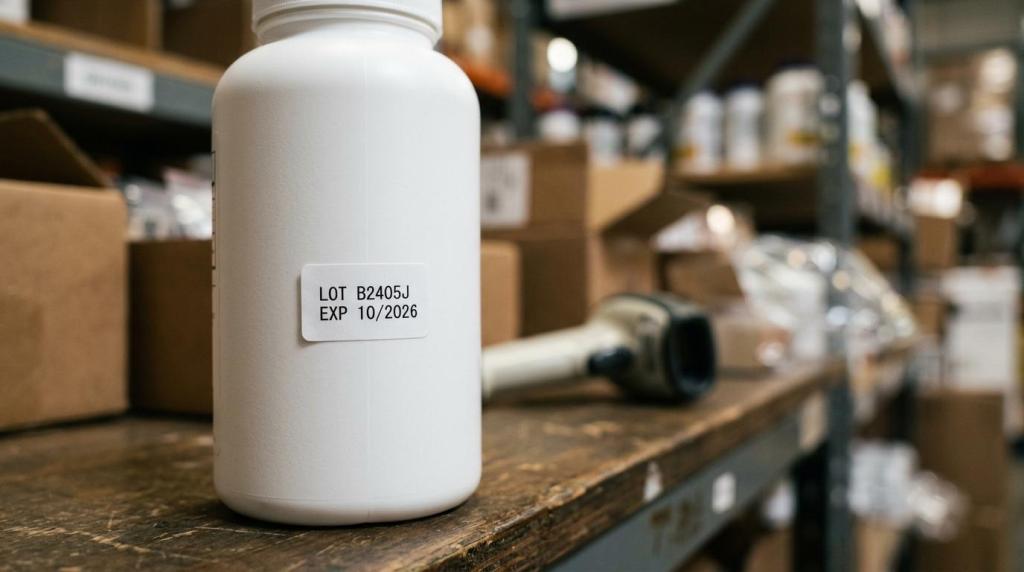
Warehousing is just as important. Supplements are not a category where stock can be treated casually. Good storage practice, sensible stock rotation, and close attention to batch and expiry information all help keep operations stable. When brands grow, these tasks stop being background admin and become a central part of customer retention.
A missed replenishment can undo months of brand-building.
How 3PLWOW can support supplement ecommerce brands with subscription fulfilment
For a growing supplement business, the pressure usually appears when subscription numbers start to rise. What worked with a small in-house team and a manageable number of monthly orders can begin to break down when recurring volumes increase, product lines widen, and customer expectations stay high.
A fulfilment partner like 3PLWOW can help by taking care of the operational workload behind those repeat orders. That includes warehousing stock, preparing subscription orders through pick and pack, and handling day-to-day order fulfilment at a scale that fits ecommerce growth. Instead of building every warehouse process internally, brands can use external support to keep recurring dispatches organised.
This is especially useful in supplements because the category combines repeat demand with operational sensitivity. Customers expect timely delivery, clean packaging, and the right product every time. If the brand runs monthly billing cycles, promotional insert programmes, or product bundles, fulfilment complexity rises quickly. A 3PL arrangement can help keep those moving parts under control.
There is also the question of capacity. Subscription growth is rarely perfectly smooth. One campaign, one influencer mention, or one new product launch can push order volumes well above the previous average. If warehousing space is tight or packing benches are already stretched, service quality can drop just when the brand needs it most. A fulfilment partner like 3PLWOW can give growing businesses more room to scale without taking on the full cost and management load of their own warehouse operation.
In practical terms, support often centres on a few operational priorities:
- Warehousing: storing supplement inventory ready for repeat-order cycles
- Pick and pack: assembling accurate single-item and multi-item subscription orders
- Order fulfilment: processing recurring dispatch volumes with consistency
- Scalability: supporting growth when subscriber numbers climb
Strong subscription operations protect retention as much as marketing does
A good subscription offer can win the first few months. Strong fulfilment is what keeps the model healthy after that. Brands often focus hard on acquisition, creative, and discount strategy, yet recurring revenue is just as dependent on dispatch accuracy, stock availability, and customer experience after checkout.
This is why fulfilment should be treated as a growth function rather than a back-office necessity. When subscription orders leave the warehouse on time, when packs are correct, and when inventory is managed carefully, the customer feels the brand is dependable. That feeling is a major part of retention in supplements, where routine and trust sit at the centre of repeat purchasing.
For brands planning the next stage of growth, the operational checklist is quite direct:
- Clean demand forecasting
- Clear subscription cadences
- Sensible stock buffers
- Accurate warehouse processes
- A fulfilment partner that can keep pace
The appeal of recurring supplement orders is not driven by hype. It comes from a strong match between buyer behaviour and product use. People buy supplements for ongoing health reasons, many already buy them online, and routine use makes automatic replenishment feel logical. As that model expands, fulfilment becomes one of the clearest ways to protect customer loyalty and give the business space to grow.