
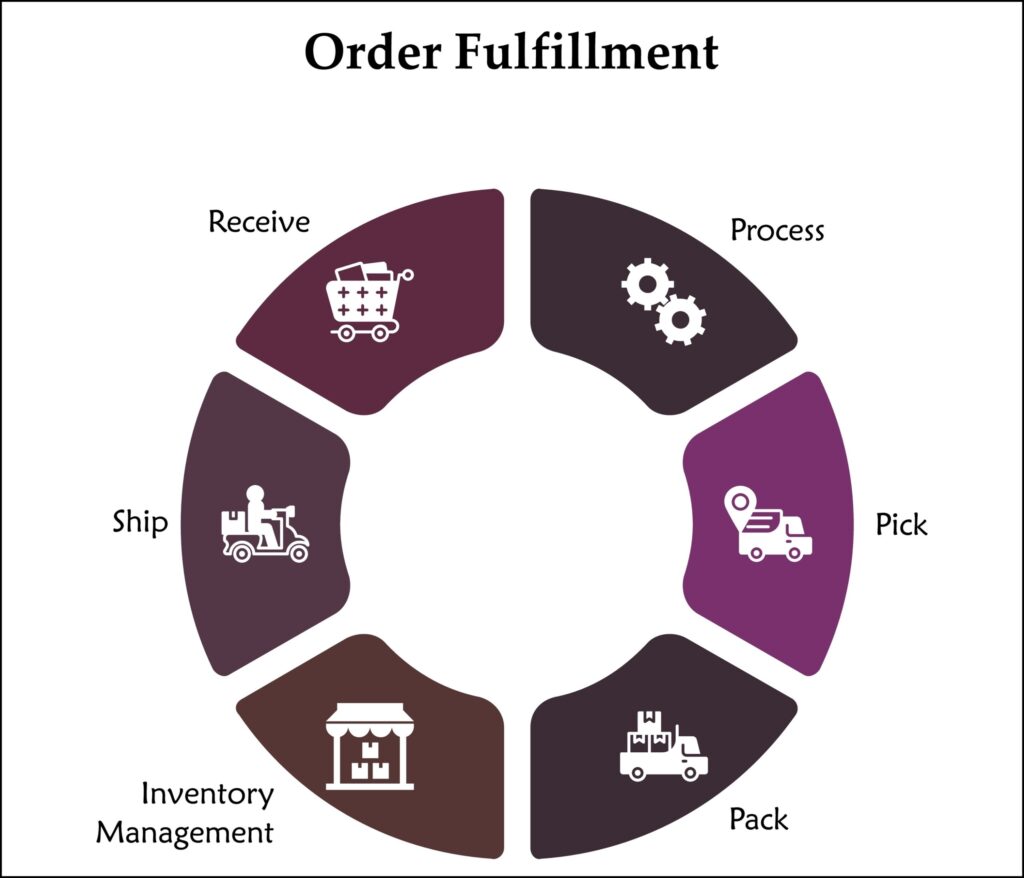
Selling supplements in the UK can look simple from the outside. A customer places an order, a parcel goes out, and another sale is logged. Behind that neat sequence sits a much more exacting operation, where product integrity, batch traceability, expiry dates, labelling, and fast delivery all need to work together every day.
That is why supplement fulfilment is not just standard e-commerce warehousing with tubs and pouches on shelves. It is a specialist service shaped by regulation, product sensitivity, customer expectations, and the commercial pressure to keep repeat purchases flowing.
What supplement fulfilment in the UK includes
Supplement fulfilment in the UK covers the storage, handling, packing, and dispatch of products including capsules, powders, tablets, gummies, sachets, and liquids. It often starts the moment stock arrives at a warehouse and continues through to returns, subscription orders, and stock reporting.
A capable fulfilment operation does more than move boxes. It helps keep the brand credible by protecting stock accuracy, shortening dispatch times, and reducing the risk of expired or mislabelled products reaching customers.
Typical fulfilment services include:
- Goods receiving
- Batch and expiry tracking
- Secure storage
- Pick and pack
- Carrier management
- Returns handling
- Stock reporting
For supplement brands, the service often extends into kitting and bundling as well. That may mean combining a protein powder with a shaker, creating a wellness starter pack, or assembling monthly subscription boxes. These small operational details can shape average order value and customer retention far more than many brands expect.
Why supplement fulfilment needs specialist handling
Supplements sit in a category where trust is earned through consistency. Customers are putting these products into their bodies, often daily, and many are buying them for specific health, fitness, or lifestyle aims. If an order arrives damaged, late, or close to expiry, confidence drops quickly.
There is also a practical challenge. Supplement products can vary sharply in size, fragility, and storage needs. A warehouse handling lightweight sachets, glass bottles, large powder tubs, and temperature-sensitive items needs clear processes, disciplined stock control, and staff who know what matters.
Even fast-growing brands with strong sales often reach a point where in-house fulfilment starts to hold them back.
At that stage, the issue is rarely just space. It is usually a mix of labour planning, carrier relationships, accuracy under pressure, and the need for better data across stock, dispatch, and customer service.
Supplement fulfilment process in the UK
A well-run supplement fulfilment process should feel controlled rather than rushed. Speed matters, but speed without discipline tends to create expensive mistakes.
The table below shows the core stages and why each one matters in a supplement operation.
| Stage | What happens | Why it matters for supplements |
|---|---|---|
| Goods in | Stock is received, counted, checked, and booked into the warehouse system | Batch numbers, expiry dates, and packaging condition need to be captured accurately |
| Storage | Products are placed in designated storage areas | Clean, dry, organised storage helps protect product quality and stock accuracy |
| Order capture | Orders flow in from websites, marketplaces, or wholesale portals | Smooth data transfer reduces manual errors and dispatch delays |
| Picking | Warehouse staff select the correct items for each order | Accuracy is vital when similar SKUs, flavours, or strengths sit close together |
| Packing | Items are packed with labels, inserts, and shipping documents | Secure packaging protects products and supports the brand experience |
| Dispatch | Parcels are handed to the selected carrier | Carrier choice affects cost, transit time, and customer satisfaction |
| Aftercare | Returns, stock issues, and customer queries are managed | Good aftercare limits waste and keeps repeat customers confident |
When this process is tight, brands gain more than operational calm. They can launch new products more quickly, forecast demand with better confidence, and handle seasonal peaks without stripping focus from marketing and product development.
UK supplement regulations and quality checks
Food supplements in the UK sit within a regulated space, even when they are sold through familiar e-commerce channels. A fulfilment provider is not normally responsible for product formulation or legal sign-off, yet the warehouse still becomes part of the quality chain. If stock is mishandled, sent after expiry, or packed with the wrong labels, the commercial and reputational impact can be immediate.
Medicinal claims are a major area to watch. If a supplement is marketed in a way that suggests it treats or prevents disease, it may move into a different regulatory category. That makes careful control over product presentation, inserts, and packing materials especially important.
Several operational checks deserve close attention:
- Batch control: every inbound lot should be recorded against the correct SKU and date information.
- Expiry management: stock rotation should favour product with suitable remaining life for the sales channel.
- Storage conditions: powders, capsules, gummies, and liquids should be kept in stable, appropriate warehouse conditions.
- Label accuracy: units dispatched should match the approved packaging and ingredient information.
- Recall readiness: stock should be traceable quickly if an issue is identified.
Brands should also ask how non-conforming stock is handled. Quarantine processes matter. If damaged goods, incorrect labels, or suspect pallets arrive at the warehouse, the right response is not improvisation. It is a documented process that prevents questionable product from entering live inventory.
How to choose a UK supplement fulfilment partner
Choosing a fulfilment partner is partly about capacity and partly about fit. A provider may look strong on paper, yet still be wrong for a supplement brand if its systems cannot track batches properly or if its warehouse processes were built mainly for fashion or general merchandise.
The first test is operational discipline. Ask how stock is received, how discrepancies are logged, how expiry dates are recorded, and how picking accuracy is measured. A serious provider should be able to answer clearly and without hesitation.
The second test is commercial flexibility. Supplements are rarely a one-shape, one-channel business. Many brands sell direct to consumer, run subscriptions, offer bundles, and place stock into retail or wholesale accounts at the same time. The warehouse needs to support that mix rather than force the brand into a rigid model.
Useful selection criteria include:
- Clear onboarding plan
- Real-time stock visibility
- Batch and expiry tracking
- Subscription order support
- Bundle and multipack capability
- UK carrier options
- International shipping experience
- Returns process
It is also wise to ask about peak readiness. January, summer fitness cycles, and Black Friday periods can push supplement volumes sharply upward. A provider that performs well at a steady baseline but struggles under demand spikes may create the very problem it was hired to solve.
Supplement fulfilment costs and service models in the UK
Cost structure matters, though the cheapest quote rarely delivers the best outcome. Supplement fulfilment pricing in the UK often includes inbound handling, storage, pick fees, packing materials, dispatch charges, returns processing, and account management. Some providers also charge for batch control, kitting, or subscription assembly.
That means two quotes can look similar while covering very different levels of service. One may include stock reporting, lot tracking, and branded packing inserts. Another may treat those as extras. Comparing price without comparing operating detail can produce a false saving.
A sensible cost review should look at more than the line-by-line rate card:
- Storage fees: low storage pricing helps little if order handling charges are high.
- Pick and pack fees: order profiles matter, especially if baskets often contain multiple SKUs.
- Packaging costs: branded materials can lift retention but need to be budgeted properly.
- Carrier pricing: parcel rates depend on weight, dimensions, destination, and service level.
- Error cost: mispicks, delays, and stock write-offs can outweigh a small unit saving.
For many brands, the best financial result comes from a fulfilment model that improves repeat purchase rate and reduces operational waste, not just one that trims pence from each order.
Technology and subscriptions in supplement fulfilment
Technology has a direct effect on control. If orders, stock, and dispatch data sit in separate systems with manual work between them, errors become more likely and decision-making becomes slower.
A stronger setup links the sales channels to the warehouse management system so that stock levels update quickly, orders import automatically, and tracking data returns to the customer without delay. That matters even more for supplement brands that rely on subscriptions, where missed or duplicate orders can damage trust fast.
Subscriptions bring a valuable commercial rhythm. They can stabilise demand, support cash flow, and lift customer lifetime value. Yet they add operational pressure too. Recurring billing dates, address updates, paused orders, and monthly build windows all need reliable handling.
A fulfilment partner that is comfortable with subscription logic can make growth far easier to manage.
Packaging and customer experience in supplement fulfilment
Packaging is often treated as a finishing touch. In practice, it is part of product trust. Supplements should arrive clean, intact, and appropriately protected, with outer packaging that suits the weight and format of the items inside.
This does not always mean expensive presentation. It means fit-for-purpose packing, sensible void fill, clear labelling, and parcel choices that protect the product while keeping shipping costs in check. A giant box for a small pouch may annoy the customer as much as a damaged tub.
Brand presentation still matters. Inserts, welcome cards, sampling, and carefully structured bundle packing can support retention when used with restraint. Customers buying wellness or performance products often notice routine and reliability. If each order turns up on time, in good condition, and exactly as expected, confidence builds quietly but powerfully.
That consistency is what makes supplement fulfilment in the UK such an important commercial function. When the warehouse is organised, compliant, and data-led, brands gain room to focus on product quality, acquisition, and long-term growth without losing control of the customer experience.