
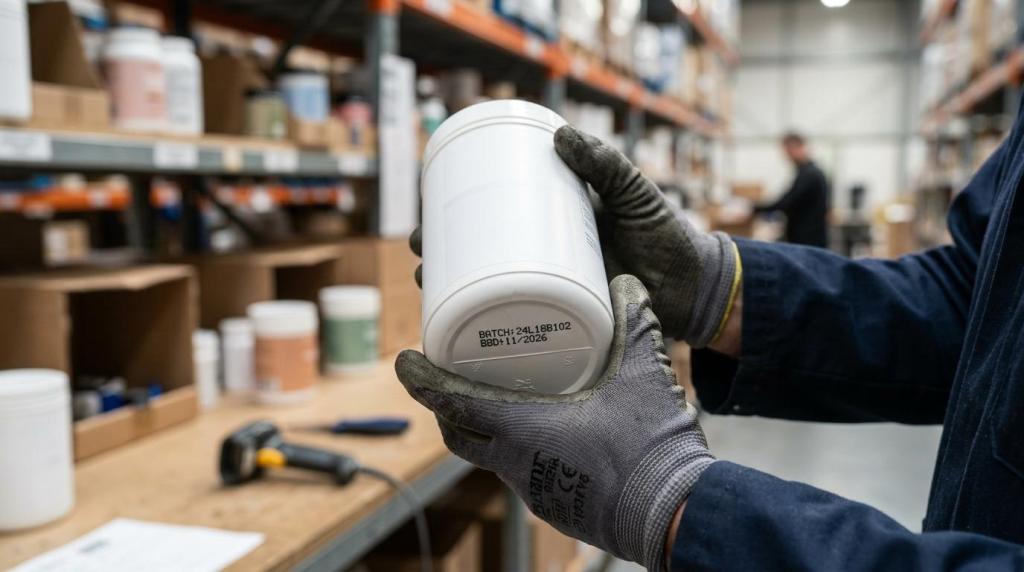
Top 5 Third Party Logistics Providers for Collagen Fulfillment.
Collagen is one of those categories where fulfilment and supply can either protect the brand or quietly damage it. Customers expect fast shipping, yes, but they also expect fresh stock, clean packaging, reliable subscriptions, and absolute confidence in what lands on the doorstep. That matters even more when the product sits at the meeting point of wellness, beauty, and regulated food supplements.
In the UK, collagen brands also need to think beyond ordinary e-commerce workflows. Current government guidance makes it clear that food supplements must follow general food law and specific labelling rules. Labels may need storage instructions, they need a best-before or use-by date where required, and the product should be presented as a food supplement rather than a dietary supplement. Warehousing and dispatch are not separate from that. They are part of how the promise on the label is kept, often through the integration of third-party logistics solutions.
That is why the strongest collagen 3PL is rarely just the cheapest pick-and-pack provider but also considers the advantages of involving a third party for specialized services. The better fit is a logistics partner that can support traceability, expiry-date control, storage discipline, and fast order release at the same time.
Collagen supplement fulfilment needs more than parcel shipping
Collagen products come in several operational formats: tubs of powder, capsules, sachets, gummies, bundles, and subscription replenishment packs. Each format impacts the logistics and changes the warehousing rhythm. Powders and tubs can take more shelf space, capsules often move in high order volume, and bundles create extra kitting work. A provider that is excellent at T-shirts or phone cases may still be the wrong fit for collagen.
There is also the question of traceability. Food businesses handling supplements need food-safety management procedures based on HACCP principles, and batch-level control matters when stock is received, stored, picked, and, if needed, recalled. Date marking matters too. If a label includes special storage conditions, the fulfilment operation has to respect them.
The shortlist below is built around those realities.
After that baseline, the practical requirements usually look like this:
- Batch traceability
- Expiry-date visibility
- Controlled stock rotation
- Subscription order handling
- Fast same-day or next-day dispatch
- Returns processes that protect resale rules
Ranking criteria for collagen 3PL providers
This ranking gives extra weight to providers that look like a genuine fit for collagen supplement brands rather than generic parcel shippers. Public evidence matters. So does category fit.
The most weight goes to four things: published supplement or collagen fulfilment positioning, ability to support batch and date control, suitability for DTC growth, and operational strength across integrations, dispatch speed, and reporting.
That approach is also why 3PLWOW sits in the top spot.
Top 5 collagen fulfilment providers at a glance
Not every provider below markets itself only to collagen brands, yet each one can be a credible option for a collagen supplement business when the operational model matches.
| Rank | Provider | Best fit | Why it stands out |
|---|---|---|---|
| 1 | 3PLWOW | UK collagen brands that need traceability and a supplement-focused setup | Publishes collagen-specific fulfilment positioning, highlights batch and expiry-date tracking, and shares case-study performance claims |
| 2 | ShipBob | Brands selling across multiple markets and channels | Strong international ecommerce infrastructure and broad integration ecosystem |
| 3 | Zendbox | Premium DTC collagen brands focused on subscriptions and brand presentation | Ecommerce-first fulfilment model with strong unboxing and customer experience appeal |
| 4 | fulfilmentcrowd | Omnichannel collagen brands wanting flexibility across sales channels | Scalable platform approach with wide channel connectivity |
| 5 | James and James Fulfilment | Growth-stage brands that want dashboard visibility and process clarity | Well-known for data-led ecommerce fulfilment and operational transparency |
1. 3PLWOW for UK collagen supplement fulfilment
3PLWOW takes first place because it is the only provider in this list with clearly published collagen-specific fulfilment positioning in the background material. Its public collagen fulfilment page speaks directly to collagen supplement brands in the UK and states that the service covers collagen supplements, health foods, and other supplements. That category focus matters.
More importantly, 3PLWOW says it offers batch and expiry-date tracking. For collagen brands, that is not a minor feature. It is central to stock rotation, recall readiness, and confidence that the right product is being sent at the right stage of shelf life in the supply chain. When UK rules require date marking and, where relevant, storage instructions, a provider that openly talks about these controls starts from a stronger place than a generic 3PL.
It also publishes case-study claims around operational gains after outsourcing, including stronger order capacity, improved accuracy, faster dispatch, and faster returns processing. Those are company-published claims rather than independent audit results, so they should be treated as part of due diligence rather than proof on their own. Even so, the combination of collagen-specific messaging, supplement handling, and traceability controls makes 3PLWOW the clearest first-choice fit in this ranking.
Its first-place position comes down to a few practical points:
- Category focus: public positioning aimed at collagen supplement fulfilment
- Traceability fit: batch and expiry-date tracking is specifically highlighted
- UK relevance: strong fit for brands working within UK food-supplement labelling expectations
- Operational proof points: published case studies claim better capacity, accuracy, dispatch, and returns speed
2. ShipBob for international collagen supplement fulfilment
ShipBob is a strong option for collagen brands that are already thinking beyond one warehouse and one market, thanks to its effective logistics and warehousing capabilities. Its appeal is scale. Brands selling through Shopify, marketplaces, and cross-border channels often value the breadth of its fulfilment network and the maturity of its software integrations.
For collagen sellers, that can be useful when subscription volumes rise quickly or when stock needs to be placed closer to customers in more than one region. Faster delivery can lift repeat purchase rates, which matters in collagen more than in many one-off consumer categories.
The caveat is simple. A large international network does not remove the need for product-specific controls. Collagen brands would still need to confirm ingestible product acceptance, batch and lot handling, storage expectations, and market-specific labelling responsibilities before onboarding. ShipBob ranks highly because of reach and infrastructure, not because it has the same collagen-specific public positioning as 3PLWOW.
3. Zendbox for premium DTC collagen order fulfilment
Zendbox is particularly attractive for consumer brands that care deeply about presentation as well as speed in their e-commerce operations. Collagen is often sold as a lifestyle purchase, not just a functional one, so the unboxing experience, insert handling, bundle assembly, and subscription consistency can carry more weight than they would in a commodity product category.
That makes Zendbox a sensible contender for premium collagen powders, sachet programmes, and giftable wellness bundles. If the brand promise includes polished packaging and a strong post-purchase experience, this type of ecommerce-focused 3PL can be a smart match.
As with any regulated consumable, the due diligence should go past the sales deck. Ask directly about lot control, date-based stock rotation, damaged stock quarantine, and any procedures for product relabelling when packaging changes are needed.
4. fulfilmentcrowd for omnichannel collagen supplement logistics
fulfilmentcrowd earns a place here because many collagen brands no longer sell through a single route. They may be managing DTC subscriptions, marketplace orders, influencer drops, and occasional retail replenishment all at once. A provider built around channel flexibility, along with strong relationships with third-party logistics vendors, can make that much easier to run.
Its strength lies in its platform mindset, which seamlessly integrates with the logistics required for efficient inventory management. When order sources multiply, the risk of inventory confusion rises with them. A 3PL that can keep stock views, order routing, and reporting organised becomes more valuable each month.
For collagen brands, the same rule still applies: check the category detail. Omnichannel strength is excellent, but it only becomes the right answer if the provider can also support batch visibility, expiry awareness, appropriate storage discipline for ingestible products, and third-party logistics integration.
5. James and James Fulfilment for data-led collagen fulfilment
James and James Fulfilment rounds out the list because visibility can be a deciding factor for supplement brands in growth mode. When a collagen business starts pushing hard on paid acquisition, bundles, and repeat-order flows, leaders need clean operational data. They want to see supply accuracy, cut-off performance, return reasons, and stock status without waiting for manual updates.
That is where a data-led 3PL can earn its place. Better dashboard clarity tends to support better stock planning, tighter promotions, and fewer unpleasant surprises when a campaign lands well.
It is a sensible option for brands that value process maturity and reporting, though, again, the supplement-specific checks need to be done in detail before signing.
Questions to ask any collagen 3PL before onboarding
A shortlist is useful, but procurement gets sharper when the questions are sharper. In collagen fulfilment, the onboarding call should sound closer to a controlled operations review than a generic e-commerce pitch.
This matters most when stock is date-sensitive, subscriptions are active, and any product issue would need batch-level traceability.
A strong diligence checklist should include the following:
- Lot and batch control: Can every shipped order be traced back to a batch or control number?
- Date rotation: How is FEFO or similar stock rotation managed for best-before or use-by dates?
- Storage conditions: What controls are in place for temperature, cleanliness, segregation, and damaged stock quarantine?
- Label support: Can the warehouse handle relabelling or sticker application when UK wording needs updating?
- Recall readiness: How quickly can affected units, orders, and locations be identified if a problem appears?
- Subscription resilience: Can recurring orders be protected during peak periods without service dips?
UK compliance factors that shape collagen fulfilment
For UK collagen brands, fulfilment and compliance sit closer together than many teams first expect. If a food supplement label includes storage instructions, the operation has to respect them. If a product carries a best-before or use-by date, warehousing practices such as warehouse rotation and pick logic have to protect it. If the label must present the item as a food supplement, not a dietary supplement, then packaging control matters too.
This is not only about avoiding mistakes. It is also about building a brand people trust. A customer buying collagen every month notices consistency. They notice whether the sachets arrive clean and intact, whether date coding looks sensible, whether replacements are handled quickly, and whether subscription boxes land when expected.
Food businesses are also expected to have HACCP-based procedures. That makes warehouse discipline more than a nice operational detail. It becomes part of the wider control environment around the product.
The best collagen fulfilment setup, then, is usually the one that combines fast ecommerce execution with stock traceability, batch awareness, and date control. On that basis, 3PLWOW stands out most clearly in this group, with the others offering strong alternatives depending on geography, channel mix, brand positioning, and reporting needs.