
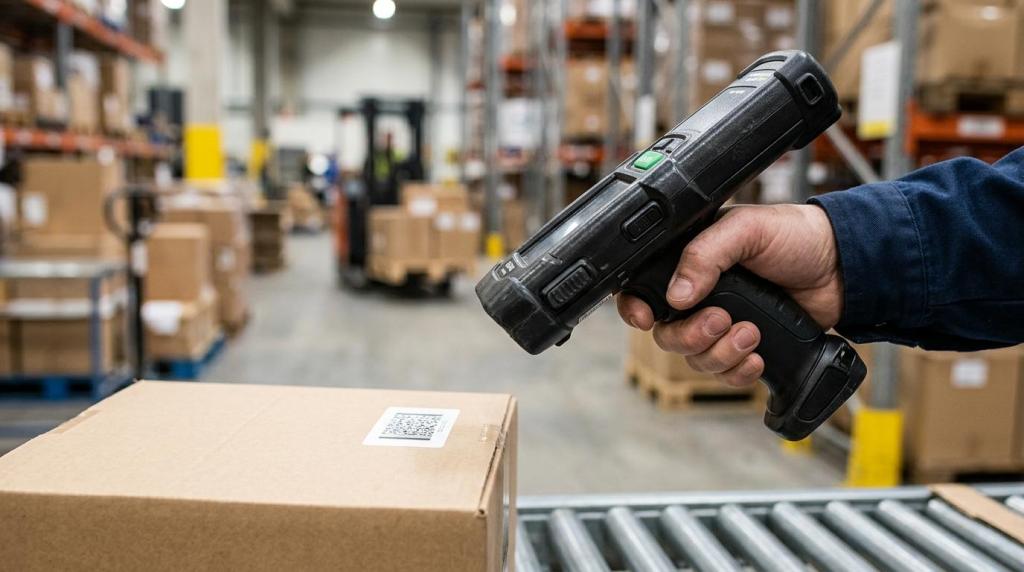
Growth in ecommerce rarely follows a neat line. One month brings a steady order flow, the next brings a sudden spike from a promotion, a marketplace push, or a product that takes off faster than expected. When fulfillment sits on top of a fixed warehouse management commitment, that kind of volatility, along with warehouse shrinkage, can turn momentum into pressure very quickly.
A no-fixed-warehouse-cost model changes the conversation around warehousing. Instead of paying for warehouse space simply to keep stock available for sale, brands can focus spend on the technology and services that actually move products out of the door, utilizing third-party logistics solutions for efficient inventory management. That is the appeal behind 3PLWOW’s offer: 3plwow fulfillment for any volume, leveraging 3pl solutions to eliminate fixed warehouse costs, supply chain solutions that provide fulfilment support for any volume, without fixed warehouse costs for selling stock.
For growing brands, exploring various storage options, that is more than a pricing point. It can affect cash flow, stock planning, staffing needs, delivery performance, and the pace at which new sales channels become viable.
Fixed warehouse costs and their effect on ecommerce growth
Warehouse overheads have a habit of arriving before revenue catches up, making efficient supply chain and order management crucial. Rent, equipment, labour, packaging benches, software, carrier arrangements, and operational oversight all incur costs whether orders are flying out or sitting still, making scalability another crucial factor for businesses to consider. A self-managed setup can make sense at a certain scale, yet it also creates a hard monthly baseline that does not soften when demand dips, particularly if the inventory system is rigid and lacks flexibility.
That matters most for businesses with uneven order patterns. Seasonal brands, product-launch businesses, subscription sellers, and marketplace operators often deal with demand that swings sharply. Fixed warehouse costs can leave them paying for space and labour capacity that is underused for part of the year, while still feeling stretched when peak periods hit.
That tension often shows up in familiar ways:
- Idle warehouse space in quieter months
- Rush hiring during busy periods
- Capital tied up in fit-out and equipment
- Slower dispatch when volume jumps
- Pressure to limit stock depth
A flexible fulfilment arrangement gives brands more room to match costs with real trading activity, rather than carrying a permanent operational load in anticipation of what might happen next.
3PLWOW fulfilment for low, medium and high order volumes
3PLWOW positions itself around that flexibility. On its own website, the business states that storage is available in a 15,000+ pallet warehouse, alongside pricing signals that include pick and pack from £0.40 per order and next-day shipping from £2.00. For a merchant trying to keep fixed overheads low, those figures matter because they point towards a variable-cost mindset rather than a warehouse-first commitment.
The practical value is straightforward. A business shipping a modest daily volume can avoid taking on a premises lease before it is ready. A larger seller can use the same operator to support rapid increases in throughput without first having to plan, rent, and staff extra space. That makes “any volume” a meaningful phrase rather than a vague sales line, with the potential for increased profit margins.
It also shifts fulfillment from a property problem to an operating model focused on streamlined logistics processes.
| Fulfilment issue | Traditional self-managed warehouse | 3PLWOW stated model |
|---|---|---|
| Space cost | Fixed rent and overheads regardless of order flow | No fixed warehouse costs for selling stock |
| Scaling up | Extra space and labour often need planning in advance | Access to stated 15,000+ pallet capacity |
| Entry pricing visibility | Costs spread across rent, staff, systems and packing | Pick and pack from £0.40, next-day shipping from £2.00 |
| Dispatch speed | Depends on in-house cut-offs and staffing levels | Same-day shipping stated on the homepage |
| Operational scope | Often split across several tools and providers | Receiving, packing, shipping and returns handled together |
None of this means fulfilment becomes simple by magic. It means the cost base can become more responsive, which is often the bigger win for a business that wants to grow without locking cash into warehousing infrastructure, supply chain management, or limiting storage options too early.
3PLWOW order fulfilment systems, integrations and returns
A flexible cost model only works if the operation behind it is supported by efficient order management, often facilitated through third-party logistics. 3PLWOW’s service pages describe an end-to-end fulfilment setup in which orders from a website, marketplace, or other sales channel are automatically synced into the fulfilment system through their 3PL solutions. That reduces manual handling at the order intake stage and gives brands a clearer operational rhythm as volume rises.
The company also states that it provides real-time API integrations within their inventory and warehousing system, keeping stock levels, customer orders, and tracking information in sync as part of their comprehensive services. For brands selling through more than one channel, that matters because stock accuracy can slip quickly when platforms are updated by hand or on delays.
Key operational features in the 3PLWOW fulfilment model
- Order sync: customer orders from websites and marketplaces are stated to flow automatically into the fulfilment system.
- Stock visibility: real-time integrations are presented as a way to keep inventory data current.
- Dispatch speed: same-day shipping is stated on the homepage.
- Returns handling: receiving, packing, shipping and returns are described as one connected process.
When those pieces work together, the brand is not just outsourcing packaging and packing boxes, but also entrusting significant elements of logistics management, including the complexities and scalability of the supply chain powered by advanced technology. It is handing over a large part of the daily operating load that can otherwise distract from product, marketing, retention, and channel growth.
3PLWOW case study results on accuracy, dispatch and capacity
The strongest case for any fulfilment partner is measurable operational improvement, ultimately impacting the company’s profit potential by minimizing shrinkage in inventory management. One 3PLWOW case study reports the results of a 90-day period after moving to a 3PL model, indicating how costs are optimized and the numbers are striking.
| Metric | Before | After 90 days |
|---|---|---|
| Monthly order capacity | 15,000 | 35,000+ |
| Order accuracy | 96.2% | 99.4% |
| Same-day dispatch | 71% | 94% |
| Average return processing time | 6 days | 2 days |
Those figures tell an important story. Capacity nearly more than doubled, accuracy tightened, dispatch performance improved sharply, and returns moved through the system much faster. For a scaling ecommerce brand, each of those changes can feed directly into customer satisfaction, repeat purchase rate, marketplace performance, and fulfillment efficiency.
Another service example on the company site says inventory accuracy approached 100% after moving to 3PLWOW, with on-time delivery above 99%. Case studies are, of course, selected examples rather than universal guarantees, yet they are still useful because they show the sort of operational gains the model is aiming to produce.
UK company records and warehouse signals behind 3PLWOW
Public records add context to the picture. Companies House lists 3PLWOW LTD as an active private limited company, incorporated on 6 May 2016, with registered office details at 5 Wesley Drive, Benton Square Industrial Estate, Newcastle Upon Tyne, England, NE12 9UP. For potential clients, that gives a basic layer of reassurance that the business is established in the UK and has been operating for several years.
A third-party property document gives another signal of physical presence. It records Unit 5A, Wesley Drive, Benton Square Industrial Estate, Newcastle as fully let to 3PLWOW Limited on a new 5-year lease from 27 July 2022, with a passing rent of £80,000 per annum. That does not prove service quality on its own, yet it does support the view that this is not a pop-up operation presenting itself as a major player in the fulfillment business.
There is also a customer-review signal on the homepage, which displays 36 reviews.
Taken together, the public record, warehouse claims, and case-study metrics create a fairly clear picture of an established UK fulfilment operator that offers 3PL services through 3PLWOW fulfillment for any volume, no more fixed warehouse costs, ultimately reducing overall costs for clients.
Businesses that benefit most from no fixed warehouse costs
Not every brand needs the same fulfilment structure at the same time, which is why 3plwow fulfillment for any volume, no more fixed warehouse costs, is an attractive option. Still, the value of avoiding fixed warehouse charges is usually strongest where demand is changing, margin discipline matters, or internal operations are starting to pull management attention away from growth.
This tends to suit a broad spread of ecommerce models:
- Start-ups testing product-market fit
- D2C brands moving on from founder-led packing
- Subscription businesses with regular outbound volume
- Marketplace sellers facing promotional spikes
- Seasonal retailers with uneven demand
- Established brands adding new channels
A start-up may care most about preserving cash. A mid-sized brand may care more about service reliability, leveraging third-party logistics solutions, such as 3pl services, and the freedom to focus on management growth without taking on a premises lease, while also considering how well various fulfilment services align with their operational needs. A larger retailer may be focused on throughput, integrations, and returns control. The attraction of a no-fixed-warehouse-cost model is that all three can be working from the same principle: pay for fulfilment activity and minimize costs, not for warehousing or warehouse ownership as a badge of progress.
That can be a healthy shift in mindset. Owning more operational burden is not always the same thing as building a stronger business when it comes to fulfillment.
Questions to ask about flexible fulfilment costs and service levels
Before moving stock to any fulfilment partner, the inventory system, supply chain logistics, storage options, packaging considerations, shrinkage considerations, and cost should be looked at alongside service design. A no-fixed-warehouse-cost promise is compelling, yet it works best when the operational details are clear from day one. Brands should know how orders enter the system, how order management processes are handled, how stock is booked in, what the dispatch cut-offs are, how returns are processed, and which costs sit outside the headline rates.
A good review process usually covers these points:
- Pricing structure: ask which charges are variable, which are event-based, and whether any minimums apply.
- Channel integration: confirm which ecommerce platforms and marketplaces sync automatically.
- Service performance: ask for cut-off times, same-day dispatch rules, and reported accuracy levels.
- Returns workflow: check turnaround times, exception handling, and how customer communication is managed.
- Growth capacity: ask how peak periods, product launches, and sudden surges are handled.
The right fulfilment setup should leverage technology to provide scalability and give a brand more freedom in their supply chain, not just a cheaper invoice. When warehouse costs stop being a fixed drag on the business, stock can be positioned for growth, operations can become more stable, and leadership time can move back towards sales, brand building, and customer experience.
For ambitious ecommerce businesses, that is often where fulfillment starts to feel less like infrastructure and more like a source of useful momentum.