
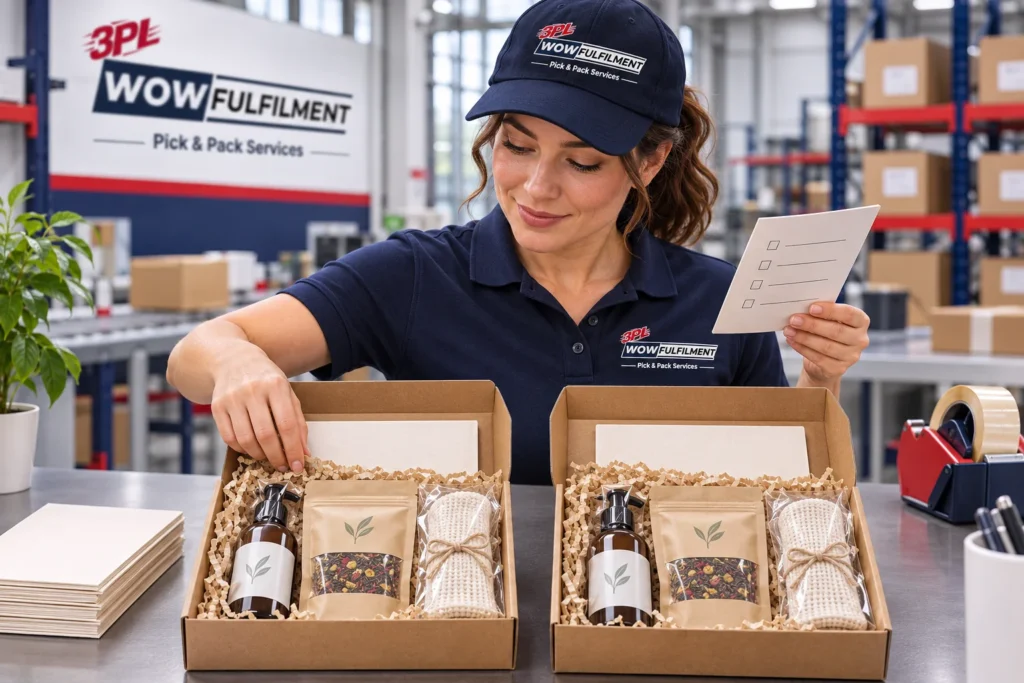
Collagen is a popular ingredient in food supplements and beauty products, but it has specific handling needs that retailers and fulfilment partners must respect. For UK ecommerce operators, good storage and fulfilment practices reduce waste, protect product quality and maintain compliance. 3PLWOW LTD operates as a licensed food warehouse and order fulfilment provider, so this guide explains practical steps you can take — from goods-in checks to dispatch — to keep collagen-based products in ideal condition throughout the fulfilment lifecycle.
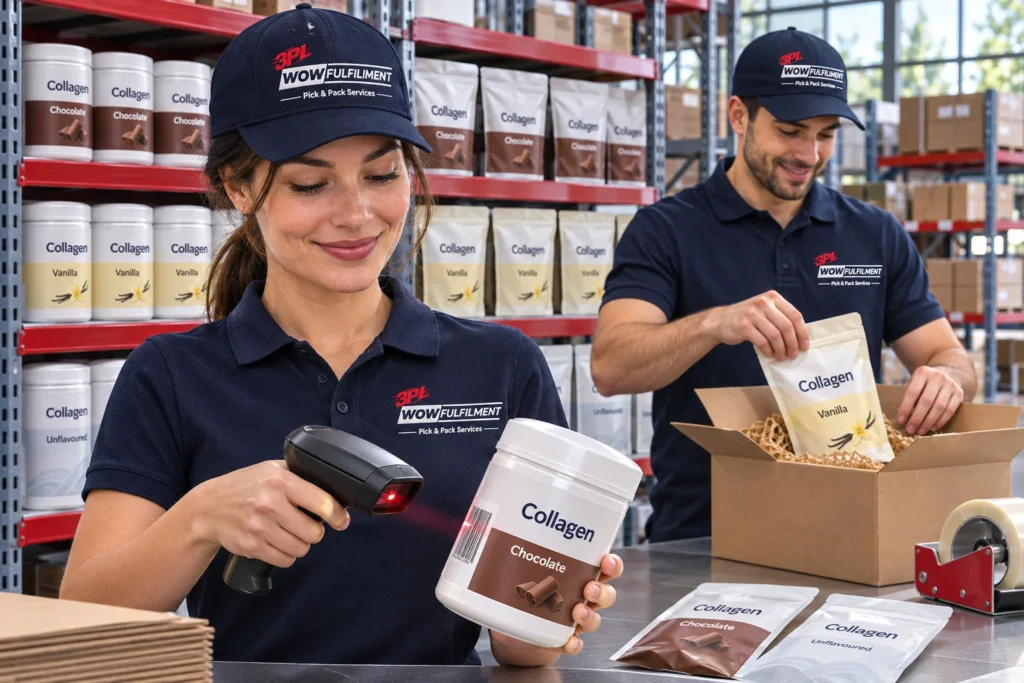
Understand the product and supplier guidance
Collagen supplements can come in powders, capsules, ready-to-drink formats or sachets. Each format has slightly different storage conditions and shelf-life considerations. Always collect and record the supplier’s storage recommendations (temperature range, humidity limits, light exposure and any required segregation from allergens or strong odours).
Keep ingredient lists and safety data readily available in the warehouse. That information informs where stock is held, how it is packed and whether special labelling or handling steps are needed.
Temperature, humidity and storage location
Most collagen powders and capsules are stable at normal ambient temperatures, but they perform best when stored in a cool, dry environment. Ensure racking areas are free from condensation risks (for example, near external doors or loading bays during winter).
If suppliers specify a controlled temperature range, store those batches in a dedicated climate-controlled zone. Keep collagen away from high-humidity areas and any products that emit strong odours (cleaning chemicals, fragranced items) to avoid cross-contamination.
Goods-in checks and traceability
On receipt, perform a documented goods-in inspection: check batch codes, lot numbers, expiry dates and packaging integrity. Record any deviations and quarantine suspicious stock for investigation.
Use a traceable inventory system that ties every outbound order back to a batch or lot. This simplifies recalls and ensures you can provide customers with accurate expiry and lot information if requested.
Picking, packing and contamination controls
Define pick-and-pack rules that reduce contamination risk. For example, pick collagen orders in a dedicated zone or at specific times, ensure staff use clean gloves, and avoid simultaneous handling of incompatible products.
Pack collagen items in sealed, protective packaging appropriate to the format. For powders, use inner sachets or resealable pouches and outer boxes that shield from moisture. Include absorbent materials or desiccants only if supplier guidance permits.
Where temperature sensitivity is a concern during transit, select suitable packing solutions and carrier services. Communicate handling instructions clearly to carriers and include appropriate labelling on parcels when required.
Compliance, labelling and documentation
As a food-licensed warehouse, ensure all storage and handling follows food safety procedures and local regulations. Maintain records of staff training, cleaning regimes, pest control and temperature monitoring.
Labelling should reflect any storage instructions, best-before or use-by dates and allergen information as supplied by the manufacturer. Keep documentation accessible for audits and for customers who need provenance or regulatory details.
Returns, shelf-life management and continuous improvement
Have a clear returns process: quarantine returned collagen products, assess packaging and product condition, and decide whether they can be returned to stock or must be disposed of. Document the decision and update inventory records accordingly.
Use first-expiry-first-out (FEFO) inventory management for products with limited shelf-life. Review stock levels and replenishment frequency to avoid long storage times that approach expiry. Periodically review handling procedures and supplier guidance to identify improvements.
Explore more from 3PLWOW: Ecommerce Supplement fulfilment, pick and pack services · Pick and Pack Services UK · The Ultimate Guide to 3PL, Order Fulfilment and Pick and Pack Services.
Planning your fulfilment? Request a tailored fulfilment quote.