
Choosing between Amazon FBM vs FBA UK is a common dilemma for UK sellers. Each route has clear advantages: FBA offloads storage, picking and courier management to Amazon, while FBM gives you control over stock, packaging and multichannel selling. For many businesses a third‑party fulfilment centre (3PL) that handles FBM can combine the best of both approaches. This article compares key factors—fees, stock control, packaging, returns and omnichannel fulfilment—to help you decide when a UK 3PL for FBM could be the smarter choice.
Understanding the basics: FBM, FBA and UK 3PLs
The key difference between Amazon FBM vs FBA UK is who fulfils and ships orders. With FBA, you send stock to Amazon fulfilment centres and Amazon handles picking, packing, shipping and customer service for Prime‑eligible orders. With FBM, you or a chosen fulfilment partner pick, pack and ship orders directly from your own inventory locations.
A UK third‑party fulfilment centre can operate as your FBM partner. They receive and store your stock, prepare and despatch Amazon and non‑Amazon orders, handle returns and integrate with your sales channels. This model keeps the seller in control of inventory and packaging while outsourcing the operational workload.
Fees and cost control
When comparing Amazon FBM vs FBA UK, fees are a major variable. FBA charges storage, fulfilment and additional service fees (long‑term storage, removals, returns handling). These can be convenient but sometimes unpredictable—especially during peak seasons when storage costs rise.
Using a UK 3PL for FBM typically means paying clear line‑item charges for storage, picking and packing and outgoing courier costs. This transparency can make margin management easier, and you can often negotiate banded courier rates for lower cost per parcel when volumes grow. For sellers with steady turnover or seasonal spikes, a 3PL’s flexible pricing structure can be more cost‑effective than FBA.
Stock control and inventory flexibility
Amazon FBA requires sending stock into Amazon’s network, which can fragment inventory across multiple fulfilment centres and complicate direct stock oversight. Replenishment lead times back to Amazon can also add complexity.
A 3PL keeps your inventory in a single or managed set of UK locations, giving you clearer visibility and control. This is especially useful for brands that need batch control, date coding or bespoke handling instructions. If you sell on multiple channels (your own website, marketplaces, retail partners), a 3PL simplifies unified stock management and reduces the risk of overselling.
Packaging, branding and customer experience
Under FBA, Amazon controls packaging and often uses neutral parcels that prioritise efficiency and Prime presentation. That works well for many sellers but limits brand customisation.
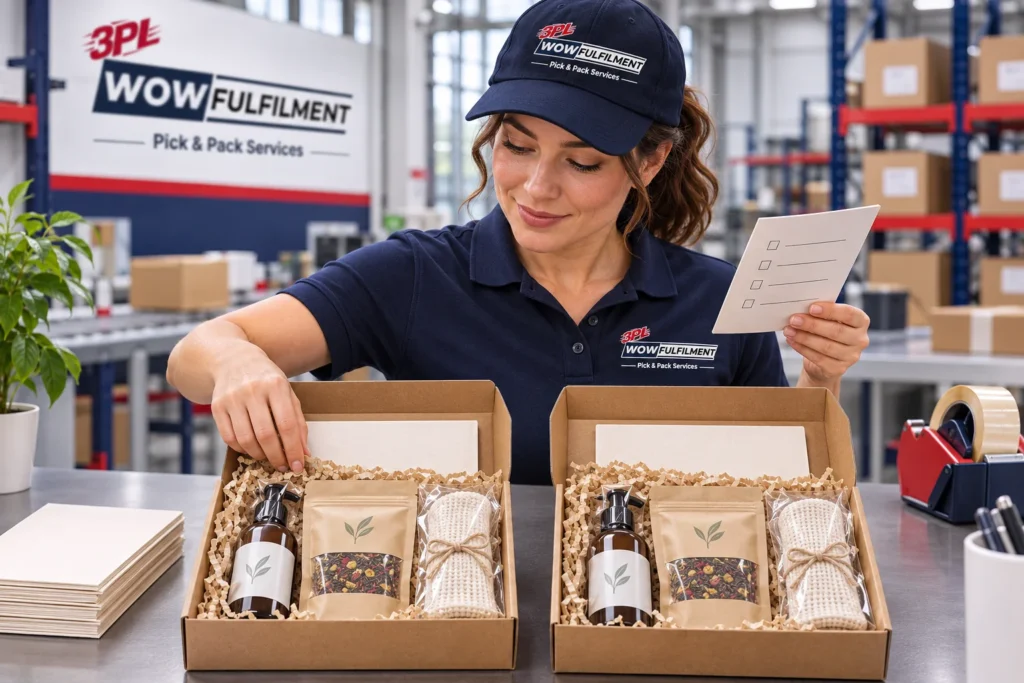
A 3PL handling FBM lets you specify branded packaging, inserts and sustainable materials. For brand owners where unboxing and packaging consistency matter, this control supports marketing and customer retention strategies. 3PLs can also accommodate kitting and bespoke fulfilment workflows that are difficult to manage within FBA.
Multichannel selling and returns handling
One of the biggest considerations in the Amazon FBM vs FBA UK debate is multichannel capability. FBA can fulfil some non‑Amazon sales via services like Multi‑Channel Fulfilment, but it’s generally optimised for Amazon orders and can charge premium rates for external fulfilment.
A UK 3PL is purpose‑built to manage orders from multiple sales channels—marketplaces, your webstore and wholesale accounts—from the same stock pool. They can consolidate returns handling and customer service workflows across channels, reducing complexity and improving data consistency for customer experience and accounting.
When a 3PL for FBM makes sense
Consider a 3PL if you need better inventory visibility, want branded packaging or sell across several channels. If your products require batch control, specific storage conditions, or bespoke fulfilment processes, a UK fulfilment centre can offer operational flexibility that FBA cannot.
Conversely, for high‑volume, simple SKUs with strong Prime demand and minimal branding needs, FBA can reduce day‑to‑day logistics overhead. Many sellers use a hybrid approach: maintain some stock in FBA for Prime buyers while using a 3PL to support other channels and bespoke orders.
Explore more from 3PLWOW: Amazon Fulfilment UK · Amazon FBA Prep & Replenishment UK · What is Third Party Logistics? A brief overview..
Planning your fulfilment? Request a tailored fulfilment quote.