
Streamlining Ecommerce Order Fulfilment in the UK
Fast, accurate order fulfilment has become one of the clearest ways for a UK ecommerce business to stand apart. Customers may arrive because of product range or price, yet they stay loyal when orders land on time, tracking is clear, and returns feel straightforward rather than frustrating.
That makes fulfilment far more than a back office task. It affects margin, customer trust, repeat purchase rates, reviews, and even how confidently a business can launch new products or sales campaigns. In the UK market, where shoppers are used to next day options, named delivery windows, and simple returns, the standard is high. The good news is that strong fulfilment is entirely achievable with the right setup.
UK ecommerce order fulfilment basics
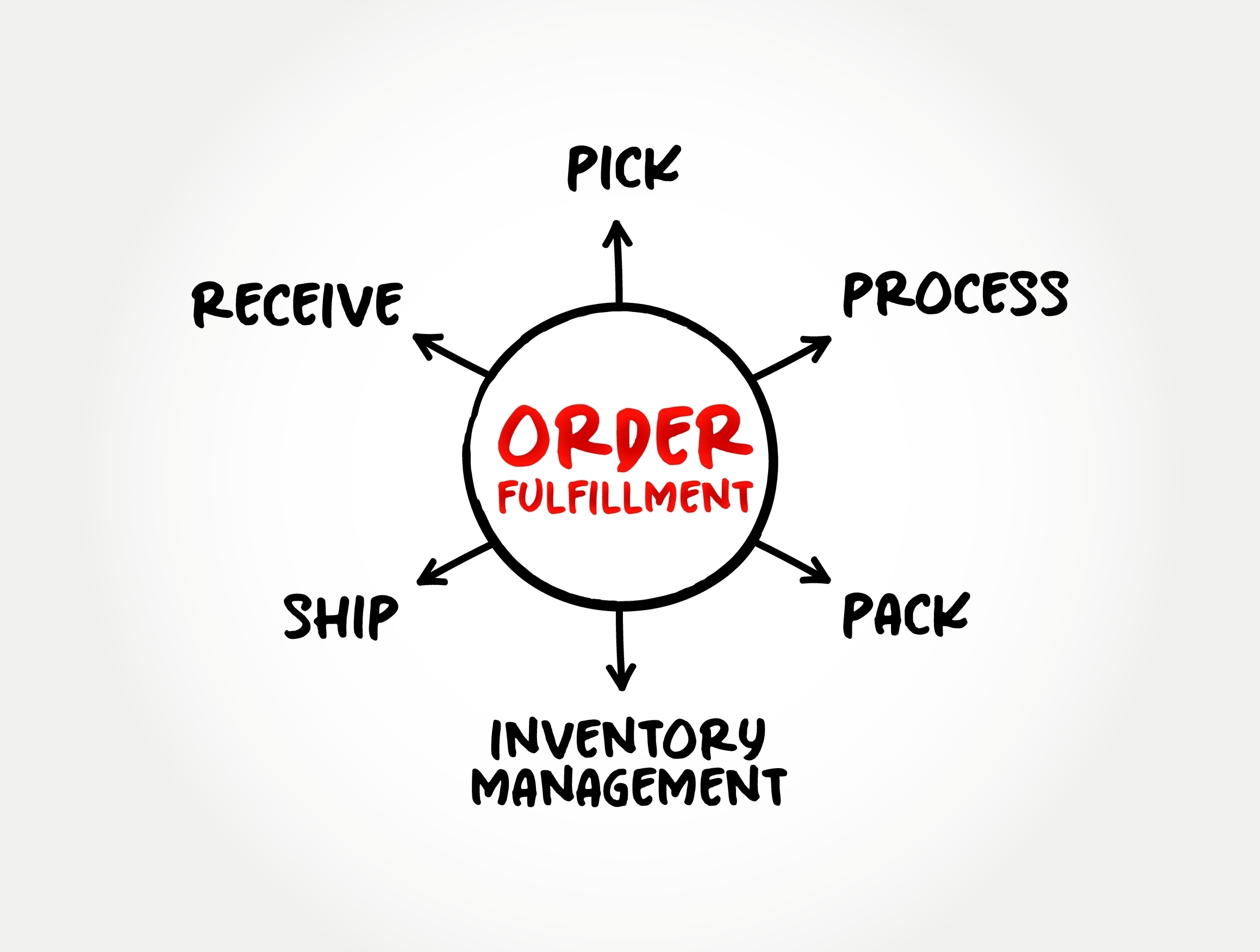
Order fulfilment covers every step from the moment a customer clicks buy to the point their parcel reaches the door, locker, collection point, or chosen return route. In practical terms, that includes stock storage, order processing, picking, packing, shipping, tracking, and returns handling.
In the UK, fulfilment also sits inside a distinct operating environment. Retailers deal with postcode complexity, urban congestion, rural delivery costs, carrier capacity during peak periods, and customer expectations shaped by major marketplaces and large national chains. A good process must be efficient, but it also needs to be resilient.
A solid fulfilment setup usually depends on a few core elements:
- accurate stock data
- well organised warehouse locations
- dependable pick and pack routines
- carrier options that fit customer demand
- clear communication at every stage
When any one of these slips, the impact spreads quickly. A stock discrepancy creates backorders. A poor packing process increases damage claims. Weak carrier coverage hurts delivery promises. Fulfilment is a connected system, not a single task.
UK fulfilment models for growing ecommerce brands
Most retailers in the UK choose between three broad fulfilment models: in house, outsourced to a third party logistics provider, or a hybrid mix. Each can work well, depending on order volume, product profile, and growth plans.
In house fulfilment gives direct control. It suits businesses that want tight oversight of packaging, inventory, or brand presentation. It can also make sense at lower order volumes, where outsourcing fees may outweigh the benefit of external support. The trade-off is that growth often increases complexity very quickly. More staff, more storage space, and stricter process discipline become necessary.
Outsourced fulfilment can unlock speed and scale. A 3PL already has warehouse space, systems, labour, and carrier links in place. That removes pressure from internal teams and can make peak trading periods easier to manage. The key is choosing a partner with reliable service levels, good systems visibility, and experience with the product type.
A hybrid model sits between the two. Some businesses keep best sellers or subscription orders in house while sending slower lines, promotional stock, or marketplace orders to a fulfilment partner. That can be a smart route when flexibility matters.
| Fulfilment model | Best suited to | Main strengths | Main watchouts |
|---|---|---|---|
| In house | Early stage brands, specialist products, strong internal operations | Full control, branded packing, direct oversight | Space limits, staffing pressure, slower scaling |
| 3PL | Fast growth, multi channel retail, high order volume | Scalability, carrier rates, operational support | Less direct control, onboarding effort, service dependency |
| Hybrid | Mixed sales channels, variable demand, strategic stock allocation | Flexibility, risk spread, selective outsourcing | More planning, more system coordination |
Warehouse operations and inventory accuracy in UK ecommerce fulfilment
Inventory accuracy is the foundation of successful fulfilment. If the stock file is wrong, every later step becomes harder. That is why leading ecommerce operations treat stock integrity as a daily discipline rather than a monthly tidy up.
A well run warehouse starts with location control. Every item needs a clear bin or shelf position, sensible SKU labelling, and a pick path that reduces wasted movement. Even a small stockroom benefits from this. Businesses often wait until they have “grown enough” before formalising warehouse layout, yet simple structure usually pays back immediately through lower picking time and fewer errors.
Cycle counting also matters. Regular checks on selected stock lines catch discrepancies before they become serious. This is especially useful in categories with high SKU counts, frequent returns, or seasonal turnover.
When warehouse performance improves, the benefits are easy to see:
- Fewer mis-picks: customers receive the correct item more often
- Faster dispatch times: orders move from checkout to carrier handover with less delay
- Cleaner stock data: marketing and buying teams can plan with more confidence
- Lower waste: less repacking, fewer write-offs, and fewer repeated picks
Packing should not be treated as an afterthought either. Packaging choices affect cost, product protection, sustainability perception, and dimensional weight charges. In the UK, where courier pricing can shift sharply based on parcel size and weight band, the right box or mailer can protect both margin and service quality.
UK delivery expectations and carrier strategy
Delivery is the most visible part of fulfilment because it is the part customers experience directly. A parcel that arrives exactly as promised can turn a first time buyer into a repeat customer. A missed delivery window can have the opposite effect, even when the warehouse performed well.
That is why carrier strategy deserves careful attention. Relying on one provider may look simple, yet it can leave a business exposed during service disruptions, strike action, weather events, or peak season backlogs. Many UK retailers benefit from a multi carrier approach, where different services are matched to parcel type, destination, and urgency.
Customer choice also matters. Not every shopper wants the same thing. Some prioritise cost, some want speed, and some prefer convenience through lockers or click and collect. A fulfilment model that offers sensible choice at checkout often performs better than one built around a single standard service.
Useful delivery options in the UK often include:
- economy home delivery
- next day delivery
- nominated day delivery
- collection point services
- locker delivery
- click and collect
Delivery promises should be realistic. It is better to under promise slightly and dispatch early than to advertise a cut-off time that the warehouse cannot consistently support. Clear communication around dispatch timing, tracking, and exceptions helps protect trust even when delays happen.
Ecommerce fulfilment technology and automation in the UK
Technology is the engine that keeps fulfilment efficient at scale. A business can manage a low order count with spreadsheets and manual checks, but rising volume soon exposes the limits of that approach. Orders arrive from websites, marketplaces, social channels, and wholesale portals, each with its own data flow and timing.
Integrated systems reduce manual effort and improve accuracy. Typical building blocks include an ecommerce platform, inventory management software, warehouse management software, shipping tools, and reporting dashboards. When these systems work well together, teams spend less time correcting errors and more time improving throughput.
Automation does not always mean robots or large capital projects. In many UK ecommerce operations, the most useful gains come from practical improvements that remove repetition and tighten control.
A smart technology stack often supports:
- Order routing: sending orders to the right warehouse or fulfilment partner automatically
- Carrier selection: choosing the best service based on rules for cost, weight, or postcode
- Pick efficiency: using barcode scanning to confirm item accuracy
- Customer updates: triggering dispatch emails and tracking notifications without manual input
Reporting deserves attention too. Fulfilment data can reveal where profits are being lost or where customer service is drifting. Dispatch lead time, pick accuracy, delivery success rate, return reasons, and cost per order are all worth tracking. Strong operators do not guess at performance. They measure it, review it, and act on it.
Returns management in UK ecommerce order fulfilment
Returns are often seen as a cost centre, yet they are also a service moment that shapes confidence in the brand. In fashion, footwear, gifting, electronics, and homeware, returns can be frequent enough to influence stock planning and staffing patterns.
A clear UK returns process should be easy to find, easy to use, and quick to process. Customers want to know where to send an item, how long a refund will take, and whether they can use a local drop off point. Internal teams need standardised inspection rules, fast restocking decisions, and a route for damaged or unsellable goods.
This area becomes even more valuable when return data is fed back into the business. If one product line generates unusually high returns, the issue may sit in sizing guidance, imagery, product quality, or packaging protection rather than in fulfilment alone.
Peak season fulfilment planning for UK retailers
Peak season pressure exposes weak processes very quickly. Black Friday, Christmas, major promotions, and new product launches can turn a stable operation into a strained one within hours. Planning early gives a business room to absorb volume without harming customer experience.
Capacity planning should cover labour, packaging stock, warehouse space, system stress, and carrier collection limits. It should also include contingency plans. If one courier caps collections, what is the backup? If order volume exceeds forecast by 30 per cent, can the team still dispatch on time?
A practical peak plan often covers the following steps:
- Review previous peaks and identify the true bottlenecks.
- Set realistic cut-off times for standard and express orders.
- Confirm extra labour, training, and shift coverage in advance.
- Secure packaging, labels, and key consumables early.
- Communicate delivery deadlines clearly across the website and email campaigns.
Businesses that prepare well often come through peak trading with more than higher sales. They also build stronger internal discipline and gain clearer data for the next growth phase.
Choosing a UK fulfilment partner for ecommerce growth
When outsourcing becomes attractive, the right partner choice can shape the next stage of growth. The wrong one can create expensive friction. Price matters, yet it should not be the only measure. Service quality, systems fit, location, and communication standards often have a greater long term effect.
A useful evaluation process looks at operating detail. Ask how stock is booked in, how errors are reported, how same day dispatch works, and what happens during high volume periods. Review carrier options, reporting access, onboarding support, and returns workflows. A fulfilment provider should be able to explain these points clearly and with confidence.
Questions worth asking during provider selection include:
- System integration: which ecommerce platforms and marketplaces are supported?
- Service levels: what cut-off times and dispatch targets are standard?
- Stock visibility: how often is inventory updated across channels?
- Returns processing: how quickly are returned items inspected and restocked?
- Peak readiness: what extra capacity is available during seasonal surges?
Location within the UK can also influence service performance. A centrally positioned warehouse may reduce average transit times and shipping costs, while a multi site setup can support regional coverage. The best answer depends on customer geography, product characteristics, and sales channel mix.
Cost control in UK ecommerce fulfilment without harming service
Cost control does not have to mean cutting corners. The strongest fulfilment operations reduce waste while protecting service standards. This requires visibility into the full cost to serve, not just the obvious warehouse invoice or courier rate.
Hidden costs often sit in failed deliveries, address errors, excessive packaging, manual admin, split shipments, and avoidable returns. Once these are measured, sensible changes become easier to make. Better product data can cut returns. Smarter carton selection can reduce parcel charges. Improved stock placement can raise picks per hour.
There is also a commercial upside to getting fulfilment right. Faster dispatch and dependable delivery support stronger conversion rates. Clear returns can improve customer confidence. Accurate stock improves the quality of paid marketing and merchandising decisions. Fulfilment excellence is operational, but it is also strategic.
For UK ecommerce businesses aiming to scale, that is the real opportunity. Order fulfilment is not just about moving parcels. It is about building a dependable engine for growth, one that supports customer trust, protects margin, and gives the business room to move with confidence.