

Collagen and Supplement Fulfillment with Third Party Order Fulfillment Partner
Selling collagen and food supplements, as well as supplement delivery, involves complex logistics that may look simple from the outside. A customer places an order, a parcel goes out, and the product arrives a day or two later. Yet the reality is far more exacting. These products often carry batch codes, expiry dates, storage requirements, and label rules that leave little room for casual handling.
That is why many collagen and supplement brands move fulfilment and warehousing, as well as inventory management, to a third party order fulfilment partner. A specialist 3PL can do much more than pick, pack, and post. It can bring category knowledge, warehouse capacity, trained staff, and process discipline that would take years to build internally. For a business working with powders, capsules, sachets, gummies, or liquids, that difference can be felt in speed, accuracy, compliance, and customer confidence.
Why collagen and supplement fulfilment needs specialist control
Collagen and supplement products sit in a category where operational detail, including specific nutrition requirements, matters. A beauty brand shipping collagen sachets may need careful batch rotation. A wellness company selling collagen powders may need cartons that protect tubs from transit damage. A supplement range with gummies or liquids may need stricter storage conditions than standard dry goods.
The legal backdrop makes that operational care even more important. In Great Britain, food supplements must be in compliance with food labelling rules, and the product label must identify the item as a food supplement. Labels also need storage instructions and a use-by or best-before date, among other mandatory details. In the United States, dietary supplement labels need a Supplement Facts panel and a statement that identifies the product as a dietary supplement or a similar term.
A fulfilment partner does not replace the brand’s legal responsibility for product safety and labelling, though it can help make day-to-day execution far more reliable.
When orders rise quickly, fulfillment details become hard to manage with a small internal team. One wrong batch shipped to the wrong market, one expiry date missed in stock rotation, or one poor storage decision can create waste, customer complaints, and avoidable commercial risk.
What a third party fulfilment partner adds beyond parcel shipping
A strong 3PL relationship is not just outsourced labour. It is operational maturity on day one, ensuring fulfillment needs are met. That matters for collagen and supplement brands because the category has repeat-purchase customers, strict expectations, and little patience for shipping errors.
A partner like 3PLWOW is relevant here because it states that it works with supplement products and has fulfilment processes designed for this category. That prior experience matters. A team that has already handled vitamins, powders, gummies, and health products does not need to learn basic category rules from scratch. It starts from a position of familiarity.
This tends to show up in practical ways:
- Category knowledge: awareness of batch control, date rotation, and supplement-specific handling
- Packing discipline: methods suited to tubs, pouches, bottles, sachets, and fragile retail packaging
- Order flow experience: familiarity with subscription orders, launch spikes, and repeat-purchase patterns
- Market readiness: support for brands selling in Great Britain, the US, or across multiple channels
That accumulated knowledge can shorten the learning curve for a growing brand. Instead of building warehouse procedures through trial and error, the business can plug into a setup shaped by previous work in the same field.
How prior supplement fulfilment experience reduces risk
Collagen and supplement brands do not only need speed. They need consistency. A team that already works in the category is more likely to recognise what can go wrong before it becomes a visible problem.
Think about batch and expiry management. When a product has a best-before date, the fulfilment process should support sensible stock rotation and clear traceability. If a retailer raises a stock query or a customer asks about a lot number, the business needs a rapid and accurate answer. That is much easier when fulfilment operations are built around batch and expiry tracking rather than treating it as an afterthought.
3PLWOW states that its supplement fulfilment setup includes batch and expiry date tracking. For a collagen or supplement business, that is a meaningful capability rather than a nice extra. It supports better stock discipline, cleaner recalls if they are ever needed, stronger internal reporting, and improved customer service.
Experienced fulfilment teams also tend to make fewer avoidable mistakes during receiving, picking, and packing. They are used to handling similar SKUs with near-identical packaging, promotional inserts, and subscription replenishment orders. In supplements, where many products differ only by flavour, strength, or pack size, that familiarity is valuable.
Large warehouse space gives supplement brands room to grow
Warehouse space sounds mundane until a brand hits a growth phase.
Many collagen businesses begin with a modest product range, then add bundles, flavour variants, travel sachets, seasonal gift packs, and wholesale cartons. What looked manageable in one room or a small unit can become cramped very quickly, impacting fulfillment operations. Without effective logistics and inventory management, storage pressure then starts to affect accuracy, replenishment, and staff productivity.
A larger 3PL warehouse gives a brand flexibility in warehousing that is hard to create internally without major fixed cost. There is room for inbound pallets, reserve stock, fast-picking lines, packaging materials, returns handling, and promotional builds. There is also space for growth that has not happened yet.
The value of that space becomes clearer when comparing in-house fulfilment with a specialist 3PL model, emphasizing the importance of efficient fulfillment.
| Fulfilment need | In-house strain | Specialist 3PL benefit |
|---|---|---|
| Stock storage | Limited capacity, overflow risk | Scalable warehouse space |
| Launch periods | Temporary congestion | More room for inbound and dispatch peaks |
| SKU growth | Picking complexity rises fast | Structured storage and slotting |
| Wholesale plus DTC | Competing workflows | Separate handling streams where needed |
| Packaging supplies | Consumes valuable floor area | Better storage planning |
For collagen and supplement brands, this can remove one of the main brakes on growth. The business is not forced to choose between holding more stock and keeping operations tidy.
A large well-trained team supports speed and accuracy
Space and fulfillment matter, though people matter just as much.
A large, well-trained fulfilment team can absorb order peaks in a way that a small in-house team often cannot. A campaign goes live, a creator mention performs above expectation, or a payday surge lands on a Friday afternoon. A brand with only a few warehouse staff may find itself overwhelmed. A 3PL with a broader labour base has more resilience.
Training is especially valuable in this category. Supplements, particularly those focusing on nutrition, are not generic apparel items or low-risk accessories. Pickers and warehouse staff need disciplined routines around stock rotation, product condition, packaging integrity, and order accuracy. If a partner already manages order processing and trains teams in supplement handling, the brand benefits from that structure immediately.
This usually brings gains in several areas:
- Shorter order backlogs
- Better pick accuracy
- Stronger stock checks
- More reliable cut-off performance
- Faster processing of returns and exceptions
A bigger trained team also supports continuity. Annual leave, illness, and seasonal demand are less disruptive when fulfilment is not dependent on one or two key people.
Food safety procedures and storage standards matter for collagen products
Not every collagen or supplement product needs the same environment, though many do require disciplined storage and careful handling. Powders can suffer from moisture exposure, making supplement delivery a critical aspect of maintaining product quality. Gummies and liquids may be more sensitive to temperature. Premium packaging can be marked or crushed if stored badly. These are practical warehouse issues, not abstract quality concerns.
This is where operational standards make a real difference. 3PLWOW states that its supplement fulfilment operation follows HACCP-based food safety procedures, uses temperature-controlled storage starting from 2°C, and includes hygiene monitoring, pest control, and sealed handling of goods. A collagen or supplement brand looking at third-party fulfilment should pay close attention to these details, especially in relation to ensuring the nutrition information remains intact.
What matters most is not marketing language. It is whether the warehouse setup supports product quality and traceability every day.
- HACCP-based procedures: structured controls around handling and food safety
- Temperature-controlled storage: support for products that need tighter environmental management
- Pest control and hygiene checks: protection for stock integrity
- Sealed handling: reduced exposure during storage and processing
For brands selling both in Great Britain and the US, that discipline helps support the product information already stated on labels. If a supplement label includes storage instructions, the warehouse should be able to meet them in practice.
Faster dispatch strengthens customer trust and repeat orders
Collagen and supplement buying habits are often routine. Many customers reorder monthly. Some subscribe. Others buy when they are about to run out. In all of these cases, speed matters because the product is part of a personal regimen, not a one-off novelty purchase.
A capable 3PL can protect that customer rhythm through efficient supplement delivery and streamlined order processing. 3PLWOW states that it offers same-day dispatch for orders placed before cut-off. That kind of service can support strong post-purchase experiences, especially for direct-to-consumer brands competing on reliability as much as brand image.
Fast dispatch does more than please customers. It can also reduce support tickets. When orders move quickly and tracking updates arrive promptly, customers ask fewer “where is my order?” questions. That frees internal teams to focus on product, marketing, and retail development rather than chasing parcels.
The commercial effect can be significant. Repeat-purchase categories benefit when fulfillment feels dependable. Customers may not praise warehouse performance directly, though they do notice when it fails.
Multi-channel supplement fulfilment is easier with a specialist 3PL
Many collagen brands do not sell through one route only. They may combine Shopify orders, Amazon replenishment, TikTok Shop sales, marketplace orders, wholesale cases, and influencer campaign traffic. Each channel has slightly different requirements for labels, cartons, service levels, and order timing.
Managing that mix in-house can become messy very fast. A specialist 3PL is often better placed to build channel-specific workflows while keeping stock visible in one operation. That means one pool of inventory can support several revenue streams with clearer reporting and less duplication of labour.
It also helps during growth phases. A brand can add channels without creating a new warehousing process every time, ensuring seamless fulfillment integration across platforms. That is one reason experienced fulfilment partners can feel like an operational extension of the business rather than a basic shipping supplier.
What collagen and supplement brands should ask a 3PL partner
Choosing a fulfillment partner should be a practical exercise, focusing on alignment with logistical needs, customer service, compliance, and growth objectives. The strongest option is not always the cheapest rate card. It is the provider whose processes fit the category, the product formats, and the brand’s growth plans.
Before signing, it helps to ask direct questions about operational capability, not just pricing.
- Batch control: How are lot numbers and expiry dates recorded and picked?
- Storage conditions: Can the warehouse meet stated product storage requirements?
- Team training: What supplement or food-product handling training do staff receive?
- Dispatch performance: What cut-off times and same-day shipping rules apply?
- Error handling: How are damaged goods, returns, and quarantined stock managed?
- Scalability: Can the operation cope with peak campaigns and new SKUs?
A collagen and supplement business that asks these questions early is more likely to find a partner suited to long-term growth. The best 3PL relationships are built on operational fit, clear visibility, and confidence that the products are being handled with the same care the brand would expect from its own team.
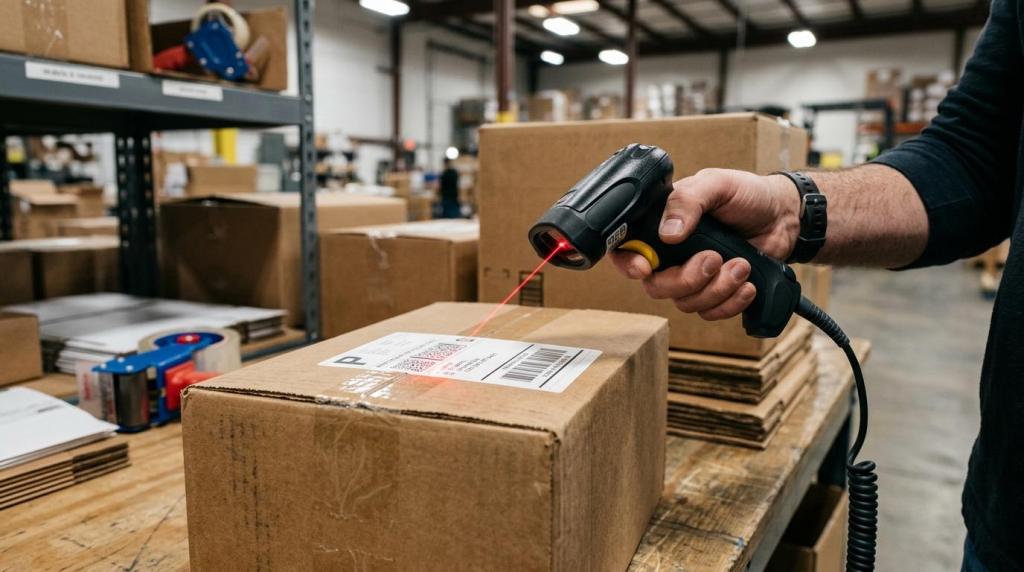
Managing rapid order growth
Rapid order growth is the kind of problem most businesses want to have, right up until the packing benches are full, stock is spread across every spare corner, and customer emails start asking where their parcel is.
A spike can come from a flash sale, a strong paid campaign, a seasonal peak, a retail mention, or simply the welcome pressure of rising demand. What matters is not only how many orders arrive, but how effectively managing rapid order growth can enable the operation to absorb them without damaging speed, accuracy, margins, or customer trust. This is where a 3PL like 3PLWOW can take real pressure off the business.
Why rapid order growth creates fulfilment pressure
Order growth sounds commercial. In practice, it is operational first.
When volume rises sharply, in-house fulfilment often hits limits that were not obvious at lower levels. A team that coped well at 50 orders a day may struggle at 200. Stock locations that made sense in one room become inefficient in a crowded warehouse, affecting operational efficiency. Cut-off times tighten. Returns pile up. Management time moves away from trading and into firefighting.
This pressure is part of a wider trend. The U.S. Census Bureau reported that U.S. retail e-commerce sales reached $326.7 billion in Q1 2026, up 9.8% year on year, and made up 16.9% of total retail sales. In Great Britain, the Office for National Statistics reports internet sales accounted for 27.4% of total retail sales in 2025. Online demand is not a side channel anymore. It is a central trading model, and fulfilment has to be built for that reality.
Common signs that growth is outpacing in-house fulfilment include:
- Missed same-day dispatch cut-offs
- Picking errors and incorrect items
- Temporary staff who need constant supervision
- Stockouts caused by poor location control
- Rising shipping queries
- Founders and senior staff packing orders late into the evening
None of these issues means a business has failed. They usually mean the logistics of the business have succeeded faster than its current operation was built to support.
Why more brands are using 3PL fulfilment for order growth
A 3PL gives a business access to warehouse and distribution capability, ensuring a consistent supply without having to build everything alone.
That matters because growth rarely arrives in a smooth, predictable line. Demand can double in a week. Promotions can distort SKU mix. Peak periods can change labour requirements overnight. A good 3PL is built around variable volume, with trained teams, warehouse processes, systems integration, and shipping capacity already in place.
The wider market reflects this shift. CBRE reported that 3PL providers accounted for 34.1% of U.S. bulk industrial leasing activity through Q3 2024, up from 30.6% a year earlier, with 498 bulk leases recorded. Much of that demand came from retailers and wholesalers outsourcing warehouse and distribution operations. Businesses are choosing specialist fulfilment support because capacity has become a competitive issue.
How a 3PL team helps manage picking and packing at scale
One of the first weak points in rapid growth is labour capacity.
An in-house team may be committed and capable, but it is often small. If orders jump suddenly, the business must recruit, train, schedule, and supervise extra people while also trying to maintain dispatch performance. That is a lot to ask during a busy trading period.
A 3PL like 3PLWOW brings a larger team of trained warehouse staff whose work is focused on picking, packing, stock handling, and dispatch. That changes the operating model immediately. Rather than pulling office staff into the warehouse or asking management to cover packing benches, the business can rely on people who do this work every day.
The benefit is not just more hands. It is process discipline. Trained fulfilment teams work to defined picking methods, barcode checks, packing standards, and dispatch cut-offs. Accuracy improves because the workflow is designed for repeatability under pressure.
That can have a direct customer impact:
- Faster dispatch: orders move through a team built for volume
- Higher accuracy: fewer mis-picks and fewer replacement shipments
- Lower internal pressure: the brand team can focus on sales, stock planning, and customer service
- Better resilience: sickness, holidays, and peak demand are less disruptive when labour is shared across a larger operation
How Shopify integration supports high-volume order flow
Technology matters just as much as warehouse labour.
Many growing brands sell through Shopify, and once order volume rises, manual exports, spreadsheet checks, and hand-keyed updates start to create delays. A proper Shopify integration helps orders move into fulfilment automatically, with much less manual intervention.
That means the warehouse can receive orders quickly, status updates can flow back into the store, and customer communications can stay current. It also reduces the risk of duplicated orders, missed orders, or dispatch confusion during a busy campaign.
For a fast-growing business, this creates a cleaner operating rhythm. The store captures demand. The integration passes it into fulfilment. Stock and shipping updates return to the sales channel. The result is better control without adding admin to every spike in demand.
Why warehouse space becomes a growth issue sooner than expected
Space runs out quietly, then all at once.
At first, a business might use spare shelving, overflow tables, and creative stacking. After that, replenishment slows down, receiving becomes awkward, and the risk of misplaced stock rises. Rapid growth does not only create more orders; it also puts pressure on supply chains to meet increased demand. It creates more pallets, more inbound deliveries, and more SKU complexity.
A 3PL solves this with larger warehouse storage capacity and a layout designed for stock movement. 3PLWOW states that it operates from a facility of more than 30,000 square feet, with capacity for over 10,000 pallets. That kind of scale gives growing brands room to hold more stock, prepare for peak periods, and manage logistics to separate fast movers from slower lines in a more practical way.
Here is where the difference becomes clear.
| Fulfilment factor | In-house operation | 3PL operation like 3PLWOW |
|---|---|---|
| Storage capacity | Limited by current premises | Access to larger warehouse space |
| Labour flexibility | Recruit and train during the surge | Trained team already in place |
| Shopify order flow | Often partly manual at lower maturity | System-led integration and order routing |
| Carrier volume | Lower bargaining power and fewer options | Higher throughput and established carrier processes |
| Peak resilience | Can depend on overtime and temporary fixes | Built to absorb volume changes |
| Management focus | Time pulled into daily fulfilment issues | More time for trading and growth |
A bigger warehouse is not just about fitting more stock in. It supports cleaner goods-in processes, better bin locations, faster replenishment, and fewer stock errors at the point of pick.
How a 3PL increases shipping capacity during sales and peak periods
Shipping pressure is usually where fulfilment problems become visible to customers.
A business can be selling brilliantly, but if dispatch slips by even a day or two during a promotion, support tickets rise quickly. Customers are less forgiving when expectations have been set by fast delivery norms across e-commerce.
A 3PL typically brings stronger outbound shipping capacity because it handles larger parcel volumes every day, enhancing overall efficiency. This can mean later cut-off handling, better courier coordination, and more efficient parcel processing during busy periods. The warehouse is set up for throughput, not occasional spikes.
That difference is especially useful during:
- Flash sales
- Black Friday and Christmas peaks
- Product launches
- Influencer or PR spikes
- Ongoing month-on-month sales growth
Shipping scale also supports supply consistency and efficient logistics. A brand does not have to rebuild its dispatch process every time demand rises. It can plug into an operation that is already designed around high order flow.
What 3PLWOW case study results say about outsourced fulfilment
The practical value of outsourced fulfilment is easiest to see in performance outcomes.
A 3PLWOW case study describes a brand whose monthly order volume rose from roughly 4,000 orders to more than 14,000. After moving to outsourced fulfilment, the same case study reports monthly order capacity increasing from 15,000 to over 35,000 within 90 days.
The operational gains are just as telling:
- Order accuracy: improved from 96.2% to 99.4%
- Same-day dispatch: increased from 71% to 94%
- Returns processing: reduced from 6 days to 2 days
- Shipping-related support contacts: reduced by 38%
Those numbers show what tends to happen when growth moves from an overstretched internal process into a fulfilment environment built for scale and increased efficiency. The business does not only gain capacity. It often gains speed, accuracy, and a better customer experience at the same time.
When in-house fulfilment still makes sense, and when it starts to hold growth back
There is nothing wrong with in-house fulfilment in the early stages. In fact, many brands benefit from doing it themselves first. It keeps the operation close, teaches the team how products move, and gives direct feedback on packaging, returns, and customer preferences.
The challenge comes when managing rapid order growth causes the fulfilment model to stop matching the sales model.
If the business is growing steadily, running promotions more often, or carrying more SKUs, the warehouse operation needs to keep pace. Once leadership time is swallowed by labour scheduling, stock movement, carrier chasing, and packing issues, the cost is no longer only operational. It becomes strategic too. Growth work gets postponed because fulfilment keeps demanding urgent attention.
A useful way to think about the change is this:
- In-house suits: low to moderate volume, simple SKU ranges, stable order patterns
- 3PL suits: fast growth, promotional spikes, wider product ranges, tighter service expectations
How to prepare for rapid order growth before the spike arrives
The best time to fix fulfilment strain is before the next big campaign lands.
A business does not need to wait for a crisis. If growth is already visible, planning early with a 3PL can make the next sales surge much easier to handle. That usually starts with realistic forecasting, SKU analysis, system checks, and a review of current dispatch performance.
A sensible preparation plan often includes:
- Review current order volumes, peak days, and likely promotional spikes.
- Check how many orders the existing team can process accurately without overtime.
- Map stock storage limits, inbound receiving constraints, and replenishment bottlenecks.
- Assess whether Shopify integration, carrier capacity, and returns handling can support higher demand.
This kind of preparation changes the conversation from “How do we cope?” to “How much can we grow?”
That shift matters. When fulfilment is stable, sales campaigns can be more ambitious, stock can be bought with more confidence, and customer promises can be made with far less risk. A 3PL like 3PLWOW gives growing businesses the chance to move from reactive fulfilment to a structure built for larger order volumes, stronger dispatch performance, and a calmer internal team.
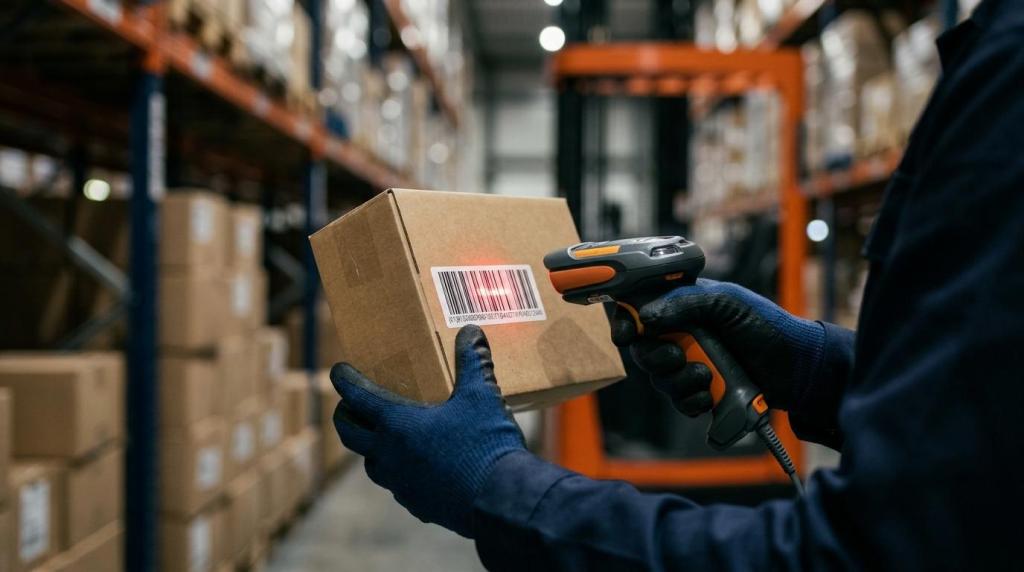
How a 3PL Can help solve fulfillment challenges during business growth
Growth is meant to feel like progress. Yet for many online brands, the first serious strain does not appear in marketing or product development. It shows up in the warehouse, at the packing bench, and in the queue of orders still waiting to leave at the end of the day.
That is where a third-party logistics provider can change the pace of the business. A 3PL gives a growing company access to warehouse space, trained people, fulfilment systems, shipping support, and stock control processes without forcing the brand to build every part of that operation alone. For businesses scaling quickly, that shift can turn fulfilment from a bottleneck into a platform for further growth.
Recent U.S. Census Bureau figures show why this matters. E-commerce accounted for 16.9% of total U.S. retail sales in Q1 2026, with online sales up 9.8% year on year. More online demand means more pressure on fulfilment teams, tighter customer expectations, and less room for operational mistakes.
Why business growth creates fulfilment pressure
A small operation can often manage fulfilment with a compact team, limited storage, and a practical routine that depends on close personal oversight, but efficiency becomes crucial as these processes scale. That model works until sales move from steady to unpredictable. Once order volumes rise, the same methods start producing slower dispatch, more picking errors, stock uncertainty, and a constant sense of catch-up.
The problem is not growth itself. The problem is that fulfilment strategy needs change faster than many businesses expect.
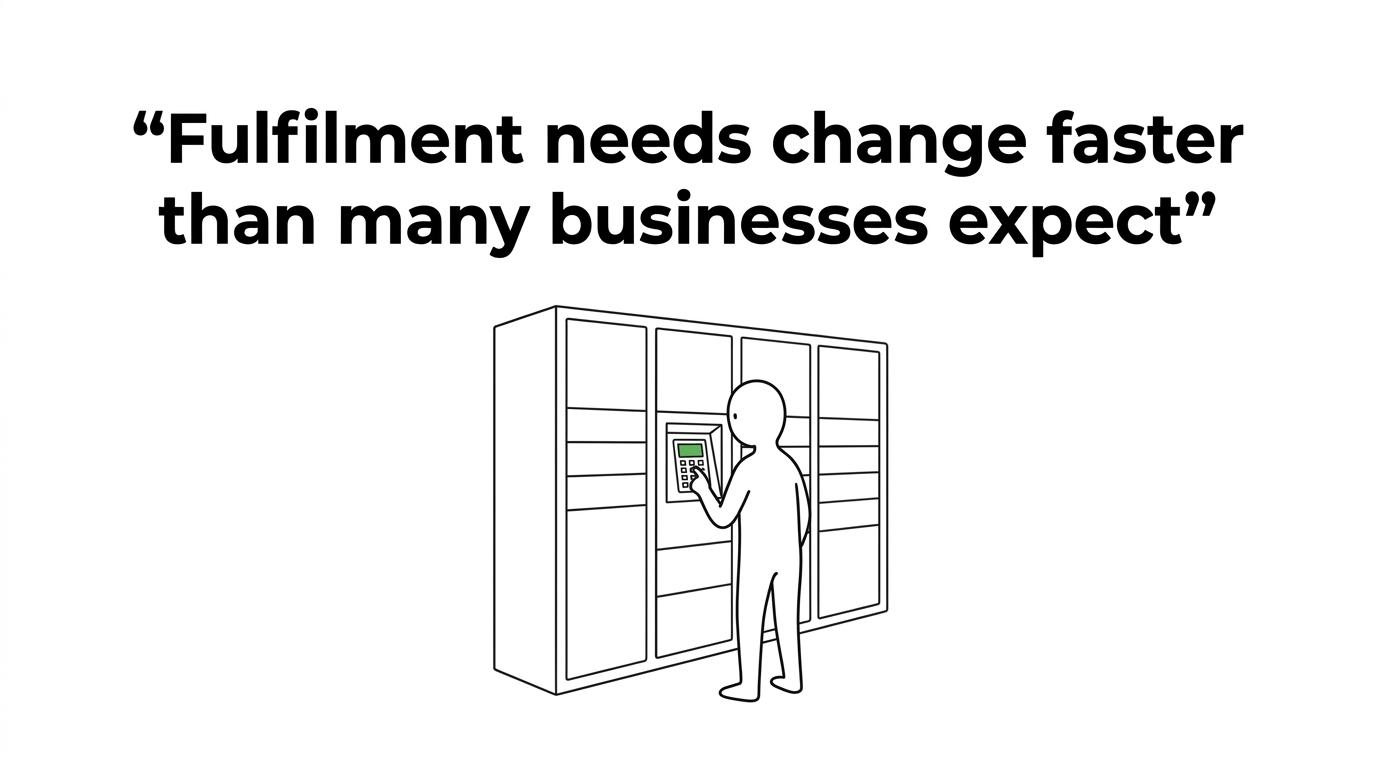 A team that handled a few dozen or even a few hundred orders a day can struggle when promotions land, new sales channels open, or seasonal demand arrives all at once.
A published 3PLWOW case example illustrates the pattern clearly. In that example, monthly order volume grew from around 4,000 orders to more than 14,000 by the start of the next trading period. Peak-day processing then reached nearly a week’s worth of the brand’s former volume in a single 24-hour period. Those numbers explain why growth strain often appears first in dispatch timing, accuracy, labour planning, stock visibility, and returns.
Common early warning signs tend to look like this:
- late dispatches
- crowded storage areas
- stock discrepancies
- overtime becoming routine
- rising returns workload
- customer service teams chasing parcel updates
How a 3PL adds fulfilment capacity without slowing the business
A 3PL brings immediate operational capacity. Instead of renting extra units, buying shelving, recruiting warehouse staff, training pickers, managing carrier relationships, and building stock control routines internally, a growing business can plug into an existing fulfilment operation with comprehensive fulfillment solutions.
That matters because growth rarely arrives in a smooth, predictable line. Brands often face sharp demand spikes, short promotional windows, and product launches that place intense pressure on internal teams. A provider like 3PLWOW can help absorb that pressure by offering warehouse space, workforce depth, fulfilment expertise, and systems already built for scale.
The difference is easiest to see side by side.
| Growth challenge | Internal operation under strain | 3PL support |
|---|---|---|
| Order volume rises quickly | Backlogs, longer lead times, packing errors | Extra picking and packing capacity |
| Storage space runs out | Overflow stock, poor slotting, slower picking | Flexible warehouse space that can expand with demand |
| Labour needs become unpredictable | Constant recruitment, training gaps, overtime costs | Larger trained teams scheduled around demand |
| Stock becomes harder to track | Manual spreadsheets, oversells, stock-outs | Integrated inventory updates and warehouse controls |
| Returns increase | Delays, clutter, slow resale decisions | Structured returns handling and faster processing |
Industry research also supports this direction. The 2025 3PL Study from NTT DATA, Penske, and Penn State reports that 25% more shippers are outsourcing to 3PLs for greater business and technology value. That suggests many businesses now see outsourced logistics not as a temporary fix, but as a practical operating model with a strong strategy in place.
Managing rising order volumes with a trained fulfilment team
When order counts increase, labour becomes a central issue. A growing brand needs enough people to receive stock, put it away correctly, pick accurately, pack efficiently, label shipments, handle exceptions, and process returns. It also needs supervisors who can keep that flow disciplined under time pressure.
Hiring internally sounds simple until the real workload appears. Recruitment takes time. Training takes time. Peak periods rarely wait. If the business doubles or triples order volume in a short window, the risk is obvious: new staff may be rushed into the operation before processes are stable, and accuracy often falls first.
A 3PL solves this by providing a larger, well-trained team whose day-to-day work is fulfilment, supported by comprehensive fulfillment solutions that streamline the entire process. That means a business can access established warehouse routines, clear pick-pack standards, and labour scheduling built around volume swings. It can also reduce dependence on founders or office staff stepping in to pack boxes when demand spikes.
The value is not only in headcount. It is in process discipline.
A provider like 3PLWOW can help in several ways:
- Trained warehouse staff: pickers, packers, goods-in teams, and returns handlers already working within set procedures
- Peak labour flexibility: capacity can be increased during launches, holidays, and promotional events
- Operational consistency: dispatch cut-offs and packing workflows are easier to hold when staffing is planned properly
- Reduced management strain: internal teams can focus more on sales, product, and customer growth
This is one reason fulfilment outsourcing often improves customer experience. Orders leave on time more often. Errors fall. Service becomes steadier, even when demand becomes less predictable.
Solving warehouse space constraints during business growth
Space pressure is one of the clearest signs that a business has outgrown its current fulfilment setup. Shelves fill up. Pallets end up in walkways. Fast-selling lines are stored wherever room can be found. Picking routes become inefficient, and receiving new stock turns into a daily disruption, affecting the overall efficiency of operations.
That kind of environment is not just inconvenient. It increases the chance of mis-picks, stock damage, delayed put-away, and poor visibility. It also makes health and safety harder to manage as activity intensifies.
A 3PL offers access to warehouse capacity that can be scaled up or down with demand. According to 3PLWOW’s service information, 3PLs can scale warehouse space and dispatch capacity as volumes change. For a growing business, that flexibility matters far more than simply having “more room”. It means stock can be stored in a way that supports speed, organisation, and accuracy.
There is also a financial advantage. Expanding a private warehouse usually means committing to rent, racking, equipment, utilities, labour, and management overhead long before future sales are certain. A 3PL can shift much of that fixed burden into a more variable cost model, making growth easier to support without overcommitting too early.
Improving stock accuracy with manual counts and live inventory control
Stock accuracy becomes harder as order volumes increase, channel count rises, and replenishment speeds up. A fast-growing brand may sell through its own website, marketplaces, wholesale channels, and social commerce links at the same time. If those inventory records are not kept current, oversells and stock-outs can appear very quickly.
A strong 3PL helps by combining system integration with disciplined warehouse practice. 3PLWOW states that integration can keep inventory updates continuous across sales channels and reduce stock-outs and oversells. That live flow of data is a major step forward for a business moving away from spreadsheets or delayed batch updates.
Yet software alone is not enough. Physical stock control still matters. Growing operations benefit from frequent manual checks and counts, because warehouse movement is constant and even good systems need verification. A careful 3PL will use routine counting processes to catch discrepancies early rather than waiting for a month-end surprise.
Key stock control methods often include:
- Cycle counts: regular checks of selected SKUs to catch errors before they spread
- Goods-in verification: incoming stock is counted and checked against purchase records before it enters live inventory
- Bin location checks: products are confirmed in the right locations to reduce pick errors
- Exception handling: damaged, missing, or unscannable stock is investigated quickly
- Channel synchronisation: inventory updates continuously across sales platforms
This combination of digital visibility, manual discipline, and fulfillment solutions drives efficiency and gives a business more confidence in what it can sell, what it needs to reorder, and what is really available at any given moment.
How a 3PL supports delivery speed, visibility and returns
Customer expectations do not slow down just because a brand is growing. The 2025 3PL Study reports that almost half of shippers say consumers expect delivery in under two days, along with transparency and environmental commitments. That makes fulfilment speed and delivery visibility more than back-office concerns. They shape the direct-to-consumer experience.
A 3PL can help meet those expectations through structured dispatch windows, carrier management, and operational planning that keeps orders moving. Instead of a business negotiating every shipping detail itself, a provider like 3PLWOW can take on shipping coordination as part of the wider fulfilment service. This can support better cut-off management and more dependable dispatch performance.
Visibility matters too. Customers want updates. Customer service teams want clear status information. Business leaders want to see stock movement, order flow, and potential delays before they become service issues. A capable 3PL creates stronger supply chain visibility and delivery visibility, giving the brand a clearer view of fulfilment performance day by day.
Returns are often where internal teams fall behind fastest. Returned items need to be received, checked, graded, restocked or quarantined, and recorded accurately. If that process slows, working stock gets trapped and customers wait longer for refunds or exchanges. The 3PLWOW case example identified slower returns as one of the early strain points during growth. Handing that process to a specialist operation can shorten turnaround times and keep resaleable stock moving.
What to look for in a 3PL during rapid business scaling
Not every 3PL is the right fit for every brand. Growth support depends on the provider’s ability to combine capacity with control. A low-cost option that cannot maintain accuracy or visibility will only move the problem elsewhere.
When assessing a provider, it helps to focus on operational substance rather than sales language.
Questions worth asking include:
- Warehouse scalability: how quickly can extra space and labour be added during peak demand?
- Stock control routines: how often are cycle counts, manual checks, and reconciliation processes carried out?
- Systems integration: can inventory updates flow continuously across all sales channels?
- Dispatch performance: what controls are in place to protect same-day or next-day order cut-offs?
- Returns handling: how are returned goods processed, restocked, and reported?
- carrier network quality
- reporting visibility
- onboarding support
- error resolution process
A business that chooses well gains more than outsourced packing. It gains room to sell with confidence, launch without panic, and grow without turning fulfilment into a daily constraint. A provider like 3PLWOW can be especially valuable when rising order volume, limited warehouse space, staffing pressure, and stock accuracy concerns are all arriving at the same time.
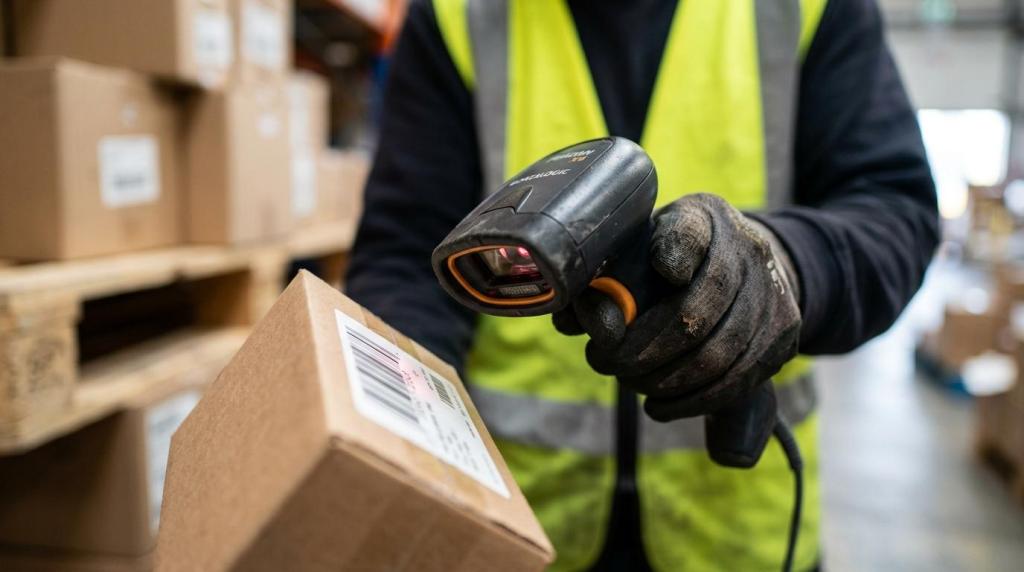
Understanding Inventory Management
Good inventory management is rarely noticed when it works well. Orders go out on time, stock levels look sensible, returns are processed quickly, and buyers can trust what the system says is available. When it slips, the damage spreads fast: oversells, stockouts, delayed dispatch, unhappy customers, decreased customer satisfaction, and cash tied up in products that are sitting still.
For ecommerce brands and growing retailers, inventory management is not only about counting units on a shelf. It is about control, visibility, timing, and disciplined warehouse routines. It also becomes far easier to manage when a capable third party logistics provider, or 3PL, is handling the daily movement of goods with clear processes for stock checks, returns, and inbound deliveries.
What inventory management means for growing businesses
inventory management is the practice of tracking stock as it moves into storage, through the warehouse, and back out to customers or suppliers. The aim is simple enough: hold the right products, in the right quantities, in the right place, at the right time.
That sounds straightforward, yet it touches almost every commercial decision a business makes. Buy too much, and cash is trapped in stock that may move slowly, need markdowns, or take up valuable space. Buy too little, and sales are missed because products are unavailable when demand appears.
Industry guidance regularly points to the same truth. Strong inventory management depends on stock visibility, sensible replenishment rules, and accurate records. Without those, forecasting weakens, fulfilment slows, and reporting becomes difficult to trust.
The foundations are usually these:
- Stock visibility
- Demand forecasting
- Reorder points
- Accurate receiving
- Controlled storage
- Fast returns processing
Core inventory management principles that protect cash flow
At its core, inventory management is a balancing act. A business needs enough stock to meet demand without carrying so much that storage, insurance, handling, and damage costs start eating into margin.
This is why inventory decisions should be tied to sales patterns rather than instinct alone. A fast seller deserves closer reorder monitoring than a niche seasonal line. A bulky product with a slow turn rate may need a different storage plan from a small, high-volume item.
Accuracy matters just as much as volume. A stock file that says 120 units are available is useless if 15 are damaged, 10 are in returns, and 8 were picked into the wrong location. Real inventory control is built on process discipline, not just software screens.
The table below shows how the main principles link to day-to-day performance.
| Inventory principle | Why it matters | What happens when it fails |
|---|---|---|
| Stock visibility | Shows what is available now | Oversells, stockouts, weak planning |
| Reorder control | Prevents late purchasing | Rush buying, missed demand |
| Accurate goods-in processing | Creates correct opening stock records | Immediate discrepancies |
| Location control | Helps staff find and pick stock quickly | Delays, picking errors |
| Manual stock checks | Verifies system accuracy | Hidden losses and growing variance |
| Returns handling | Recovers saleable stock quickly | Stock trapped in limbo |
| Demand review | Keeps stock in line with trading patterns | Overstock or shortage |
A useful measure in retail and distribution is the inventories-to-sales relationship. Put plainly, this shows how much stock a business is carrying compared with how quickly it is selling. It is a reminder that inventory is not just an operational issue. It is a financial one.
Why inventory visibility matters in ecommerce operations
If there is one principle that shapes the rest, it is visibility. A business must know what it has, where it is, and whether it can be sold.
That need is even sharper in ecommerce, where a product can be sold across a website, marketplace, social platform, and wholesale account in the same week. When stock records lag behind reality, oversells appear. Customer service teams then spend time apologising for errors that could have been avoided upstream, which negatively impacts customer satisfaction.
Evidence from manufacturing and supply chain operations shows a clear pattern. Manual tracking through paper records or spreadsheets often creates discrepancies, missed sales, and higher carrying costs. Those tools may be enough at a very early stage, though they struggle once order volume rises and stock is moving across multiple channels.
Visibility also improves speed. When warehouse teams can trust the stock file, they pick with confidence, replenishment decisions come sooner, and customer promises become more reliable.
One missing pallet location can ripple through an entire trading week.
How a third party logistics provider improves stock accuracy
A 3PL can bring structure to inventory management because warehouse control is its daily job, not a side task squeezed between marketing, buying, and customer emails. Good providers combine systems, warehouse routines, and trained staff to keep stock records current and practical.
That support usually begins with accurate booking in. Incoming goods are counted, checked, recorded, and placed into defined storage locations. From there, every movement should be captured: put-away, picking, packing, returns, and transfers. When done properly, the stock file becomes a working operational tool rather than a rough estimate.
A provider such as 3PLWOW states that it offers warehousing, inventory management, pick-and-pack, shipping, and returns processing. That kind of combined service matters because stock accuracy often breaks down at the handover points between separate systems or separate teams. When inbound handling, storage, fulfilment, and returns are managed as one flow, there is less room for gaps.
Manual stock checks are a major part of this picture. Even where systems are strong, physical checks are still needed to confirm that reality matches the record.
- Cycle counts: scheduled checks on selected SKUs or locations without stopping the whole warehouse
- Exception checks: targeted counts when an order fails, stock looks short, or a location appears wrong
- Goods damage checks: physical inspection to separate saleable stock from stock that should be quarantined
- Full stock takes: wider audits used at planned intervals to reset confidence in inventory records
These checks do more than count cartons. They identify root causes. A recurring shortfall in one aisle may point to picking errors. Repeated discrepancies on a product line may show supplier shortages, barcode issues, or damage in transit.
Managing incoming goods to keep inventory records clean
Many inventory problems begin before an item is ever available for sale. If inbound goods are booked incorrectly, every later report is compromised.
A disciplined goods-in process should verify quantities against purchase orders, inspect packaging, record any shortages or damage, and assign the stock to the correct SKU and storage location. If multiple variants look similar, this stage becomes even more important. A size or colour error at receiving can turn into dozens of incorrect customer orders later.
A skilled 3PL will usually set up a standard receiving routine so that inbound deliveries do not become rushed or informal. That matters when volumes rise, especially around promotions or seasonal peaks. Without structure, pallets can sit unprocessed, stock can appear unavailable even though it is physically in the building, and purchasing teams may reorder goods that have already arrived.
Good inbound control often includes:
- Booking schedules: planned intake slots to avoid congestion at the warehouse
- Quantity checks: matching deliveries to expected counts and supplier paperwork
- Quality checks: spotting damage, labelling issues, or missing components early
- Put-away rules: storing stock in agreed locations that support efficient picking
This is where a 3PL can save real time for a business. Instead of internal staff chasing deliveries, opening cartons, updating spreadsheets, and trying to resolve discrepancies, the provider can handle the operational side and report back clearly on any issues.
Building a speedy and accurate returns system
Returns are often treated as a customer service issue first and an inventory issue second. In practice, they are both.
A slow returns process leaves saleable stock unavailable for too long. A weak returns process creates inaccuracies because the system may show stock coming back, while the physical goods are still waiting in cages, on benches, or in unprocessed parcels. That can distort availability, inflate stock on hand, or hide damaged items in the wrong category.
A good returns system should move quickly from receipt to decision. Is the item resaleable, repairable, damaged, incomplete, or due to be scrapped? Once that decision is made, the inventory record needs to change at once.
For businesses with regular ecommerce returns, a 3PL can make a measurable difference here. Dedicated returns handling reduces the lag between receipt and restocking. It also creates consistency, which is hard to achieve when returns are processed ad hoc by whichever team member happens to be free that day.
The strongest returns setups tend to include these features:
- Clear receipt logging
- Fast inspection
- Defined grading rules
- Immediate stock status updates
- Quick resaleable restocking
- Reported exceptions for damaged or disputed items
That speed matters financially. A product returned on Monday but not checked back into saleable stock until Friday is stock that could have been sold again earlier.
What to look for in a 3PL inventory management service
Not every warehouse partner offers the same level of inventory control. Storage space alone is not enough. The real value sits in process accuracy, reporting, and responsiveness.
When reviewing a 3PL, it helps to ask direct questions about stock visibility, manual checks, returns handling, and inbound management. Ask how discrepancies are investigated. Ask how often cycle counts are done. Ask what happens when incoming goods do not match the purchase order. Ask how quickly returned stock can be inspected and made available again.
The most useful signs are often practical rather than flashy:
- A clear goods-in process
- Regular manual stock checks
- Prompt discrepancy reporting
- Fast returns turnaround
- Reliable location control
- Stock data that can be trusted
For a growing business, that trust is the real prize. When inventory records are accurate, buying decisions improve, fulfilment becomes steadier, customer promises feel safer, customer satisfaction increases, and cash is used more intelligently. A good 3PL helps make that standard routine rather than exceptional.
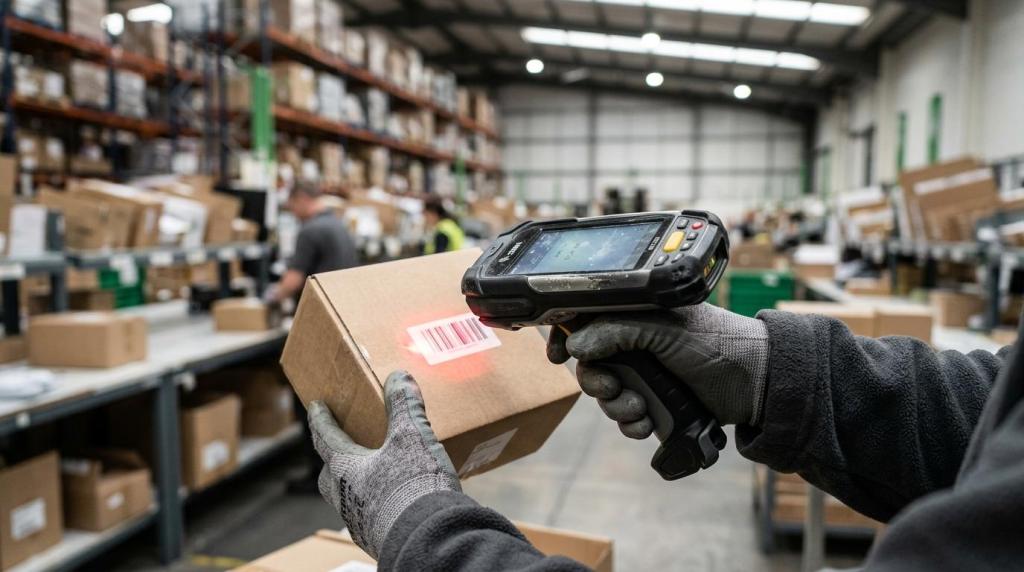
Avoiding Shipping Delays With a 3PL Provider
Customers rarely care whether a late parcel was caused by stock errors, a missed pick wave, or a warehouse team stretched too thin. They remember one thing: the promised delivery window was missed.
That is why warehousing and shipping delays are often a fulfilment problem before they become a courier problem. A strong 3PL provider can reduce that risk by improving delivery management within the supply chain, making the warehouse faster, more disciplined, and better staffed than many in-house operations can manage on their own. When order picking is quicker, order processing is tighter, and labour capacity can flex with demand, more parcels leave on time and more customers receive what they expected.
The pressure is only getting stronger. UPS reported in 2025 that average retail delivery speeds improved from 6.6 days in 2020 to 4.2 days in 2023. Faster delivery has shifted from a nice extra to a normal expectation, heavily influencing overall customer satisfaction. In that setting, a warehouse that falls behind by even a few hours can start a chain reaction that reaches the customer by the next morning.
Why shipping delays start before a parcel leaves the warehouse
Most delayed shipments are not created on the road. They are created inside the fulfilment process.
An in-house operation often begins with good intentions and a workable setup. That can hold steady at low order volume. Yet as order counts grow, manual checks, limited packing benches, and small teams begin to slow down the flow. What worked at 300 orders a month may become unreliable at 3,000.
A 3PL changes that equation by treating fulfilment as a dedicated operating model rather than a supporting task inside the business. That shift matters because dispatch performance depends on consistency, not occasional heroic effort.
Common early causes of delay include:
- Missed courier cut-off times
- Manual stock checks
- Picking queues
- Understaffed packing stations
- Returns taking up space and attention
Retail Economics, in its 2026 UK delivery benchmark, reported that larger operators are slower on average. That sounds surprising at first, though it makes sense when complexity outpaces process control. Scale by itself does not solve delays. Scale with structure does.
How a 3PL provider improves order picking speeds
Order picking is one of the clearest places where a 3PL can outperform an in-house team. Picking speed depends on layout, slotting, training, scanning, and labour planning. A business handling fulfilment in-house may have one stockroom, one route through the shelves, and a team splitting time across several jobs. A 3PL warehouse is built around movement.
That difference can be dramatic during growth. In a published 3PLWOW case study, a brand that moved to a 3PL model increased monthly order capacity from 15,000 to more than 35,000, partially due to the implementation of real-time tracking. Within 90 days, same-day dispatch improved from 71% to 94%, while order accuracy rose from 96.2% to 99.4%. Those numbers matter because slow picks and wrong picks both create delay. If an item is picked late, dispatch slips. If it is picked incorrectly, the customer receives the wrong order and the fulfilment cycle starts again.
Picking speed improves when the warehouse team is not improvising. A well-run 3PL usually has defined pick zones, optimised SKU placement, regular checks, and staff whose role is fulfilment all day, every day. That focus is difficult to match in a smaller in-house setting where staff may be switching between customer service, stock counting, packing, and admin.
A 3PL can usually support faster picking through a few practical controls:
- Dedicated picking teams: Staff are assigned to picking rather than pulled into unrelated tasks.
- Warehouse slotting: Fast-moving products are placed where they can be reached quickly.
- Flexible labour cover: More staff can be placed on the floor when order volume spikes.
Even a modest gain in pick speed can protect the entire day’s dispatch schedule.
How quicker order processing reduces shipping delays
Fast picking helps, but it is only one part of the path. Orders also need to be managed through logistics, imported, checked, allocated to available stock, packed, labelled, and released before the carrier arrives.
This is where many in-house operations lose time without noticing it. Orders may sit in separate systems, wait for manual review, or move through a process shaped by habit rather than service level targets. A few minutes lost at each step can easily turn into missed dispatch.
A 3PL provider usually brings tighter order processing through supply chain efficiencies, integrations, a warehouse management system, and live inventory visibility. That means orders can enter the queue quickly, stock can be confirmed against real availability, and labels can be generated without repeated handling. When a provider offers same-day dispatch and next-day delivery options, the promise rests on this kind of process discipline rather than wishful thinking.
3PLWOW’s service information also points to operational controls that support speed: shipping solutions such as live inventory visibility, same-day shipping on precision-checked orders, next-day delivery options, and 24/7 access for queries or urgent logistics issues. Those details matter because delay prevention is often about catching problems early, not apologising later.
| Fulfilment stage | Typical in-house delay risk | 3PL control that reduces delay |
|---|---|---|
| Order capture | Manual imports or platform lag | Direct system integration |
| Stock allocation | Unclear stock position | Live inventory visibility |
| Picking | Small team, inconsistent routes | Dedicated pick teams and organised slotting |
| Packing | Limited benches and bottlenecks | Multiple stations and defined workflows |
| Dispatch release | Missed cut-off windows | Same-day dispatch discipline |
| Returns | Backlogs affecting space and stock | Faster returns processing |
Speed in processing is valuable on its own, though its real strength is predictability, including optimized transit times.
Why larger staffing levels matter during peak fulfilment periods
Many shipping delays happen when a business is not operating under normal conditions. A promotion lands, a social campaign performs better than expected, a marketplace order burst arrives, or seasonal traffic doubles within days. The in-house team suddenly has the same shelves, the same benches, and the same number of hands.
A 3PL provider usually has a larger labour base, trained warehouse staff, and established shift planning. That gives a client access to capacity that would be expensive and awkward to maintain internally all year round. Instead of hiring ahead of uncertain peaks, a brand can plug into an operation already built for volume swings.
This is one of the strongest arguments for outsourcing fulfilment to third-party logistics providers.
More people on the floor does not mean disorder if the process is right. It means faster picking waves, shorter packing queues, better cover for sickness or holidays, and less reliance on overtime late in the day. It also reduces the risk that one absent team member can throw the whole dispatch schedule off course.
Retail Economics made another useful point in its delivery benchmark: expectation management and credible alternatives are critical. That fits well with the 3PL model. A capable provider is not only supplying labour; it is also implementing delivery management strategies that help create a fulfilment operation capable of supporting realistic delivery promises. If a same-day cut-off is 2 pm, the warehouse should be staffed and structured to hit it consistently. If next-day delivery is offered, the order processing rhythm must support that promise every day, not only when volume is light.
How 3PL inventory visibility prevents avoidable delays
Stock visibility is one of the quieter causes of delay, though it is one of the most damaging.
If a business believes stock is available when it is not, orders stall due to the lack of real-time tracking. Customer service then has to step in, replacements may be needed, and the original delivery estimate becomes unreliable. A 3PL with live inventory visibility can reduce that problem by giving the client a clearer view of available stock, low-stock risk, and order status.
That can improve decision-making across the business, not only inside the warehouse but also in warehousing operations as a whole, thanks to the implementation of a robust warehouse management system. Marketing can time campaigns with greater confidence. Purchasing teams can react earlier to supply changes. Customer service can give better updates because the data is fresher and easier to trust.
The practical gains usually look like this:
- fewer backorders
- earlier replenishment signals
- cleaner available-to-sell numbers
- fewer manual stock investigations
When stock accuracy improves, effective supply chain and logistics solutions, including avoiding shipping delays with a 3PL provider, usually lead to enhanced shipping performance by optimizing transit times.
How faster returns processing supports outbound shipping performance
Returns are often treated as a separate issue from dispatch, yet the two are closely linked.
If returned stock sits unprocessed for nearly a week, it ties up space, distorts inventory records, and absorbs staff time that could be used on outbound orders. In the same 3PLWOW case study, average return processing time fell from 6 days to 2 days after moving to a 3PL setup. Customer support contacts about shipping also dropped by 38%.
That reduction is significant. Faster returns processing can place saleable stock back into availability sooner, keep pick faces cleaner, and reduce the confusion that comes from half-processed inventory. It also protects the customer experience after delivery, enhancing customer satisfaction, which matters because a poor returns process often turns one late or incorrect order into a lasting trust problem.
A strong fulfilment operation is not just about getting parcels out. It is about keeping the entire stock cycle moving cleanly.
What to look for in a 3PL provider if shipping delays are the concern
Not every 3PL will solve the same problems in the same way. If delay reduction is the priority, the right questions are operational.
A client should look for evidence of same-day dispatch performance, order accuracy, staffing resilience, and stock visibility. Published service standards help. So do case studies showing measurable gains after onboarding. A provider that can point to better dispatch rates and faster returns handling is showing more than sales language.
Useful selection criteria include:
- Dispatch performance: Ask what percentage of orders leave the warehouse the same day.
- Order accuracy: Check how accuracy is measured and how often it is reviewed.
- Staffing depth: Ask how peak demand, sickness, and seasonal spikes are covered.
- System visibility: Confirm whether live inventory and order tracking are available.
- Carrier cut-off control: Review how late orders can be accepted without risking delay.
- Support access: Check whether urgent issues can be addressed outside standard office hours.
It is also sensible to ask how the provider handles exceptions. Delays are not only caused by average volumes. They are often caused by unusual days. The best 3PL relationships are built around predictable routines plus calm handling when volumes jump or data fails.
For businesses that have outgrown an in-house setup, the shift is rarely about handing over boxes. It is about putting order flow into a structure that can keep pace with customer expectations. Faster picking, quicker processing, and access to a larger trained workforce give a business a better chance of making the delivery promise it puts in front of the customer.
And that promise is where shipping performance becomes commercial performance.
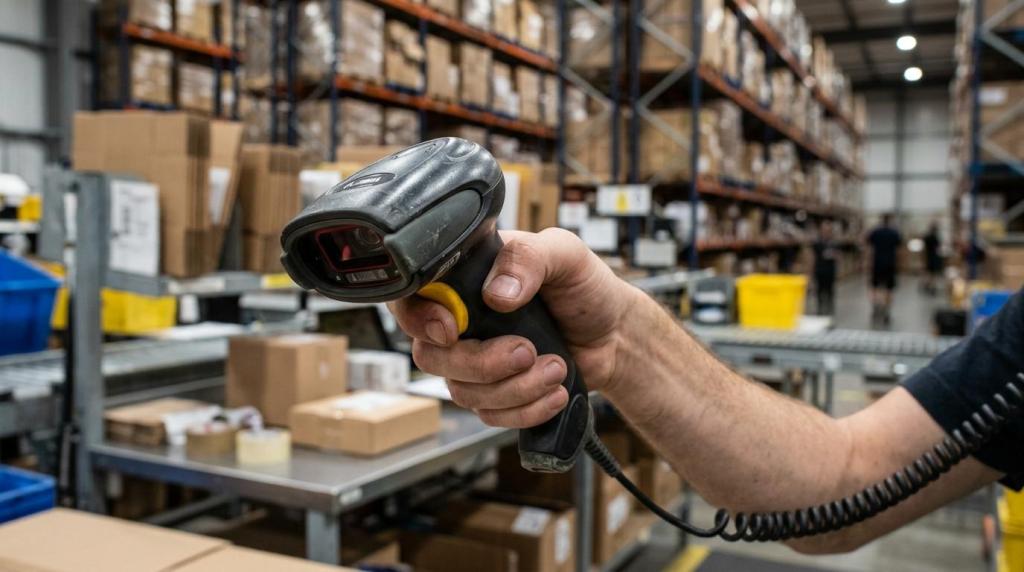
Managing Seasonal Demand With a 3PL
Seasonal demand is attractive on paper. Christmas campaigns, Black Friday promotions, January sales and limited-time offers can lift order volumes in a matter of days. Yet the same spike can expose every weak point in an in-house fulfilment operation: limited storage, a small picking team, tighter carrier cut-off times and a rising volume of customer queries.
A third-party logistics provider, or 3PL, changes that picture by adding capacity before pressure turns into delay. Instead of forcing one warehouse and one team to absorb every peak, a business can plug into extra space, trained labour, proven systems and established dispatch capability. That is a large part of why outsourcing has stayed strong. CBRE reported that 3PLs increased their share of bulk industrial leasing activity through 2024, with retailers and wholesalers using them to gain inventory flexibility and avoid tying too much capital into warehouse commitments.
Providers like 3PLWOW speak directly to this need, positioning outsourced fulfilment as a way to handle seasonal highs and lows without taking on new premises or building a temporary fulfilment operation from scratch.
Why seasonal demand strains in-house fulfilment
Many businesses cope well with steady weekly order flow. Seasonal trading requires a well-thought-out strategy for demand forecasting to manage fluctuating demand efficiently. Demand rarely rises in a smooth, predictable line. A Christmas gift range may sit quietly in October, jump in late November, then surge again after a campaign lands. Sale periods create a similar pattern, with short windows of very heavy demand followed by a wave of returns.
That volatility creates pressure in several places at once. More stock has to arrive and be stored. More orders have to be picked accurately and packed quickly. More carrier labels have to be produced and handed over on time. More customer enquiries land if parcels are delayed or tracking updates stall.
Peak pressure rarely arrives in one tidy wave.
When an in-house setup reaches its ceiling, the warning signs are usually easy to spot:
- Overflow stock in walkways
- Picking errors on popular SKUs
- Missed same-day dispatch cut-offs
- Temporary staff who need training at speed
- Returns building up after the promotion ends
None of these issues is unusual. The problem is cumulative effect. A missed carrier collection on Monday can create a backlog on Tuesday, which then cuts available space on Wednesday, which then raises mis-picks on Thursday. Seasonal demand is profitable when operations keep pace. When they do not, revenue is won at the front end and lost at the back.
How a 3PL creates scalable peak-season capacity
A good 3PL gives a business room to grow without rebuilding its operation every time demand moves. That matters most during Christmas and sales, when the question is not simply “can we sell more?” but “can we fulfil more, accurately and on time?”
One 2023 peak-season survey of more than 150 supply chain leaders found that 33% planned to offload fulfilment to a 3PL during peak season, up from 7% the year before. That jump says a great deal about how companies now view outsourced logistics. It is not just a cost decision. It is a capacity decision.
Warehouse labour and process capacity
A 3PL already has fulfilment workflows in place. Goods-in teams receive pallets, warehouse systems allocate stock locations, pick routes are set up, packing benches are active and dispatch lanes are connected to carrier schedules. That existing structure means seasonal volume can be absorbed faster than in a business that is trying to hire and train short-term staff in the middle of the rush.
This is where scalability becomes practical rather than theoretical. If order volumes double for three weeks, a 3PL can often shift labour, space and operating hours around that change. An in-house team may need to rent extra space, onboard agency labour, buy more equipment and still accept slower throughput.
Carrier access and dispatch windows
Peak fulfilment is not only about picking and packing. It is also about getting parcels out of the building within collection windows. A 3PL often has established carrier relationships and daily volume moving through its network, which can support later cut-offs, broader service options and more resilience if one route gets congested.
The comparison is stark during major trading periods.
| Peak-season issue | Typical in-house pressure | 3PL support model |
|---|---|---|
| Christmas stock build | Limited pallet space and cluttered aisles | Extra pallet positions and structured overflow storage |
| Order spike after promotions | Need to recruit and train temporary staff quickly | Existing warehouse teams and standard operating processes |
| Same-day dispatch targets | Backlogs reduce cut-off performance | Higher packing throughput and scheduled carrier collections |
| January returns surge | Refunds and restocking slow down | Dedicated returns handling and faster stock recovery |
| Fixed cost exposure | Rent, labour and equipment stay on the books | Variable cost model linked more closely to volume |
That flexibility is one reason many brands use a 3PL as a seasonal pressure valve, even if they began with fulfilment in-house.
Extra storage space for Christmas stock and sale inventory
Storage is often the first problem to appear and the last one to go away. Seasonal trading usually means buying earlier and holding more stock. Gift sets, bundles, seasonal packaging, promotional inserts and safety stock all need a place to sit before orders begin to flow.
If that stock lands in a warehouse that is already running near capacity, efficiency drops quickly. Putaway slows, pick faces get crowded and replenishment becomes harder to control. Staff spend more time moving stock out of the way instead of processing it.
A 3PL gives a business a cleaner route. Rather than squeezing peak inventory into a building designed for normal trade, it can adopt a seasonal strategy by using warehouse space that exists for variable demand. 3PLWOW, for example, states that it operates a fulfilment warehouse with capacity for more than 15,000 pallets and offers services designed to support seasonal peaks and fluctuations.
That extra space is not only about volume. It also improves stock discipline.
- Buffer stock: room to hold best sellers ahead of peak trading
- Promotional inventory: space for bundles, gift packs and campaign inserts
- Packaging supplies: capacity for extra boxes, void fill and branded materials
- Returns segregation: clear zones for resale, quarantine and damaged goods
For Christmas and sale periods, this can be one of the most immediate gains. A business is able to buy more confidently, hold more stock safely and release orders faster because the warehouse is not fighting its own layout.
Faster order fulfilment and stronger customer experience in peak periods
Customers rarely see warehouse operations, yet they feel the result of every warehouse decision. If dispatch is late, tracking is patchy or an item is picked incorrectly, confidence falls fast. During Christmas, that disappointment is sharper because the order usually has a deadline attached to it. During sale periods, speed still matters because shoppers are comparing value and service at the same time.
A capable 3PL can improve fulfilment speed in two direct ways. First, it raises raw processing capacity. Second, it supports more consistent execution under pressure. Those two factors often have a bigger effect on customer satisfaction than almost any front-end promotion.
Speed protects revenue.
One published case study from 3PLWOW gives a useful illustration. After a direct-to-consumer home and lifestyle brand moved from in-house fulfilment to a 3PL model, its reported monthly order capacity rose from 15,000 to more than 35,000 within 90 days. The same case study reported order accuracy improving from 96.2% to 99.4%, same-day dispatch moving from 71% to 94%, and average return processing time falling from six days to two.
Those figures matter because they connect operational change with customer-facing outcomes. Faster dispatch means more parcels leave on time. Better accuracy means fewer support tickets and fewer replacements. Quicker returns processing means stock can go back on sale sooner and customer refunds can move faster.
A business that fulfils peak orders in-house may still perform well, especially if volumes are stable and the warehouse has spare capacity. Yet many do not have that margin. Once order numbers jump, the service standard slips. A 3PL gives that margin back.
The practical gains often show up in areas like these:
- Later cut-off resilience: more chance of meeting same-day dispatch targets
- Better order accuracy: fewer costly errors on high-volume days
- Faster returns flow: quicker refunds, restocking and resale
Financial control and lower fixed pressure during seasonal peaks
Seasonal demand creates a classic business tension. Stock, labour and space must rise before revenue is fully secured. If a business handles all fulfilment itself, it may need to commit cash to temporary staff, extra racking, short-term storage, additional packaging stations and higher carrier spend with very little room for error.
A 3PL helps shift some of that burden from fixed cost to operating cost. Storage, pick and pack, and shipping are usually linked more closely to actual volume. That can make peak planning more flexible and less risky, especially for brands with uneven sales patterns.
CBRE’s 2024 market view supports this logic. Retailers and wholesalers are outsourcing warehouse and distribution activity to gain inventory flexibility and reduce capital tied up in warehouse commitments. That is a sensible response when trading periods are intense but temporary. It is often better to pay for access to capacity than to fund capacity that sits underused for much of the year.
There is also a management benefit that is easy to overlook. When a 3PL takes on fulfilment pressure, internal teams can spend more time on merchandising, marketing, customer retention and demand forecasting instead of firefighting warehouse bottlenecks.
Peak-season planning steps to agree with a 3PL
A 3PL is not magic. Results improve when planning starts early and both sides are clear on what peak season will look like. Christmas and sale periods are won in the preparation phase, not only on the day orders spike.
Forecasts, SKU priorities and inbound bookings
The first step is volume visibility. A 3PL needs a forecast that covers likely order ranges, top-selling SKUs, campaign dates and inbound stock timings. The forecast does not need to be perfect. It does need to be realistic enough for labour and space planning.
A smart plan usually covers:
- Order forecast: weekly and daily ranges, with high-case and low-case scenarios
- SKU mix: expected best sellers, bundles and oversized items
- Inbound schedule: when stock arrives, how it is labelled and how it should be received
- Packaging rules: branded materials, gift notes and promotional inserts
Service levels, cut-off times and returns rules
Peak trading also needs clear service rules. What qualifies for same-day dispatch? Which carrier services should be used for premium orders? How are split shipments handled? What happens when stock counts disagree? If returns spike in January, how quickly should items be inspected and released back into available inventory?
These details may sound operational, yet they have direct commercial value. When service levels are agreed in advance, the business can market shipping promises with more confidence and customer support teams can set expectations accurately.
For brands thinking about a move before peak, the most useful question is simple: can the current operation cope with a sudden multiple of normal order volume without hurting accuracy, speed or customer trust? If the answer is uncertain, a 3PL can provide the extra storage, scalable labour, and faster fulfilment framework needed to implement a successful seasonal strategy and turn seasonal demand into profitable growth rather than operational strain.
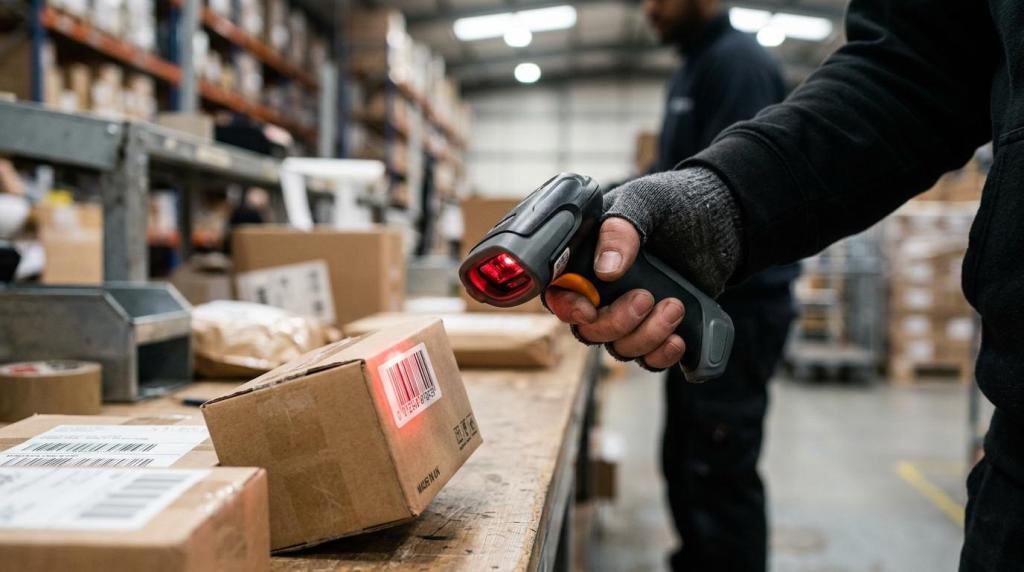
Shipping Orders With 3PLWOW
Shipping orders well is no longer a back-office task that customers never notice. It shapes reviews, repeat purchases, refund rates, customer satisfaction, and the confidence a brand has when sales begin to climb. A fast-growing retailer can have a strong product and a sharp marketing plan, yet still lose momentum if fulfilment slips.
That is where a specialist logistics partner can change the picture. For brands looking at outsourced fulfilment in the UK, 3PLWOW presents a model built around quick dispatch, integrated order flow, and pricing that can make outsourced shipping feel far more practical than many assume.
Why shipping speed matters in order fulfilment
Customers judge an online purchase by the full experience, not just the product itself. They remember whether the parcel arrived when expected, whether the order was correct, whether the supply was adequate, and whether a return was handled without delay. Shipping is part of the brand.
Independent third-party logistics research supports that view. The 2018 22nd Annual Third-Party Logistics Study, based on 580 respondents, reported that 81% of shippers and 98% of 3PL providers agreed that using 3PLs contributed to improving services to the ultimate customer. That matters because fulfilment is often the point where customer expectations either hold firm or start to crack.
When dispatch is fast and stock information is reliable, several benefits begin to stack up:
- quicker cash conversion
- fewer “where is my order?” queries
- stronger customer trust
- more room to scale promotions
- less operational strain
A slow warehouse can hold back sales growth. A responsive one can support it.
What 3PLWOW offers for UK order fulfilment and shipping
3PLWOW is an active UK private limited company, according to public Companies House records, and has been incorporated since 6 May 2016. Its registered office is in Newcastle upon Tyne. On its own site, the business says it began in 2016 and moved in 2022 to a facility of more than 30,000 square feet with capacity for over 10,000 pallets.
That matters because brands choosing a fulfilment partner are not only buying storage space. They are buying process, capacity, and the ability to respond quickly when order volume changes.
3PLWOW presents its service around core fulfilment needs, with claims that speak directly to e-commerce operators:
- Order sync: integrated order flow to reduce manual handling
- Pick and pack: service advertised from £0.40 per order
- Storage: pricing stated from £2.00 per week
- Shipping: next-day delivery advertised from £2.00
- Dispatch speed: same-day dispatch promoted on its site
Taken together, those points suggest a provider aiming to make outsourced shipping accessible not only for large retailers, but also for growing brands that need dependable execution without building a full warehouse operation of their own.
Cost savings from outsourcing order fulfilment to 3PLWOW
Cost savings in fulfilment are not only about the courier label. They come from the whole operating model. Renting space, hiring warehouse staff, training them, buying shelving, packaging, software, scanners, and insurance all add up. Then there are the hidden costs: picking errors, late dispatch, wasted management time, and stock that becomes harder to control as order counts rise.
Using a 3PL can shift many of those fixed costs into a more flexible structure. Instead of building capacity for your busiest month and paying for it all year, you can access an existing operation designed to handle changing volumes. That is often where the real saving sits.
3PLWOW’s published starting prices are useful because they give merchants a visible baseline. Storage from £2.00 per week, pick and pack from £0.40 per order, and shipping from £2.00 for next-day delivery create a simpler frame for cost planning than a patchwork of internal warehouse expenses. Actual spend will still depend on product size, order mix, supply levels, returns levels, and required services, though the principle is clear: a specialist provider can turn warehousing from a capital-heavy function into a more predictable operating cost.
| Cost area | In-house fulfilment pressure | How 3PLWOW can help |
|---|---|---|
| Storage space | Paying for warehouse room even in quieter periods | Published storage pricing offers a clearer starting point |
| Labour | Recruiting, training, holiday cover, overtime | Existing fulfilment teams reduce staffing pressure |
| Pick and pack | Errors rise when volume spikes | Structured warehouse processes can support consistency |
| Shipping rates | Smaller brands may lack courier buying power | Aggregated shipping volume can support lower unit costs |
| Management time | Founders and operations teams get pulled into dispatch | Outsourcing frees time for sales, stock planning, and customer service |
There is also a strategic saving that is easy to miss. When fulfilment is stable, teams spend less time fixing avoidable problems. That means more attention can go into merchandising, forecasting, and customer retention rather than chasing parcels and correcting stock discrepancies.
Faster dispatch and delivery with 3PLWOW
Speed is where outsourced fulfilment becomes very visible to customers. A well-run warehouse shortens the gap between the moment an order is placed and the moment the parcel starts moving.
3PLWOW states same-day dispatch and next-day delivery options, which is the kind of service level many online shoppers now expect as standard rather than premium. Fast processing can be especially valuable for brands selling on multiple channels, where marketplace performance metrics and customer reviews can quickly reflect shipping delays.
A published 90-day case study from 3PLWOW gives a more concrete picture of what improved fulfilment can look like. According to that case study, monthly order capacity rose from 15,000 to more than 35,000, order accuracy improved from 96.2% to 99.4%, same-day dispatch increased from 71% to 94%, and average return processing time fell from 6 days to 2 days.
Those figures are from a company case study rather than an external audit, though they are still useful because they show the operational areas that matter most: capacity, accuracy, dispatch speed, freight efficiency, and returns handling.
Faster fulfilment does more than satisfy a delivery promise; it enhances customer satisfaction and benefits from effective shipping solutions to streamline operations. It can support stronger ad campaigns, reduce backlog risk during peak periods, and help brands accept more orders with greater confidence.
Better order accuracy and information flow in a 3PL relationship
Accuracy is the quiet engine behind successful shipping. A parcel that arrives quickly but contains the wrong item still creates cost, friction, and disappointment. Good fulfilment depends on clean information moving from storefront to warehouse to courier without distortion.
This is one reason system integration matters so much. 3PLWOW promotes order sync and integration, and that is not a minor technical feature. It directly affects how quickly a warehouse can process orders and how reliably stock levels reflect reality.
The wider 3PL market has long recognised this. The same 2018 industry study reported that 74% of shippers and 68% of 3PLs said incomplete or inconsistent information caused frustration within the organisation. It also found that 79% of 3PLs and 64% of shippers had projects where quick execution was directly affected by incomplete, inaccurate, or inconsistent shipper information.
That finding carries a clear lesson. A 3PL relationship works best when both sides treat data quality as an operational priority, not an afterthought.
A strong set-up usually includes:
- Product data: correct SKUs, dimensions, weights, and bundle rules
- Stock updates: timely inventory counts and replenishment planning
- Order routing: clear rules for priority orders, pre-orders, and holds
- Returns logic: agreed steps for inspection, restocking, and disposal
- short response times
- clear service expectations
The same study also pointed to a gap in how relationships are managed. While 43% of shippers viewed themselves as strategic buyers, only 31% of 3PLs felt customers managed them like a strategic partner. That suggests brands get better results when they treat fulfilment providers as a core operational partner, with regular communication and defined plans, rather than simply as a low-cost vendor.
Signs your brand is ready for 3PLWOW fulfilment
Some businesses move to outsourced fulfilment too late. They wait until backlogs appear, order errors rise, or the founder is spending evenings printing labels. A better approach is to make the move while the business still has breathing room.
3PLWOW is likely to make sense when order volume is rising faster than internal processes, like inventory management, can cope, when storage is starting to crowd other parts of the business, or when shipping speed is becoming a competitive issue. It can also be a good fit for brands that want next-day delivery options without building warehouse capability from scratch.
Typical signs include:
- order spikes after promotions
- stock held in multiple improvised locations
- increasing returns admin
- customer service teams spending too much time on delivery issues, impacting customer satisfaction
- a need for more dependable same-day dispatch
The strongest trigger is often not pain alone. It is opportunity. If demand is there, fulfilment should not be the reason growth slows down.
Practical steps for shipping orders efficiently with 3PLWOW
A successful handover to a 3PL starts with clarity. Brands should know their average order profile, product dimensions, current dispatch cut-off, monthly volume range, returns rate, and any channel-specific requirements. Without that information, it is harder to build a fulfilment set-up that performs well from the start.
It also helps to define what “better” looks like. For one business, the key goal may be lower shipping cost per order. For another, it may be same-day dispatch, fewer picking errors, or faster returns processing. Clear targets make it easier to assess whether the provider is delivering the result the business needs.
A practical starting sequence looks like this:
- Audit current fulfilment performance and costs.
- Map products, SKUs, bundles, and packaging needs.
- Confirm system integrations and order flow rules.
- Set service expectations for dispatch, delivery, and returns.
- Review results regularly and refine as volume grows.
This structured approach matters because even a capable fulfilment provider performs best when onboarding is clean and expectations are explicit. The data from the wider 3PL sector makes that point strongly: information quality and relationship management shape execution speed.
For brands that want quicker order fulfilment, clearer cost control, and more confidence in shipping performance through effective shipping solutions, 3PLWOW presents an established UK option with visible pricing, published operational claims, and case study evidence pointing to stronger capacity and accuracy. When the warehouse side of the business starts working at that level, growth becomes easier to support.
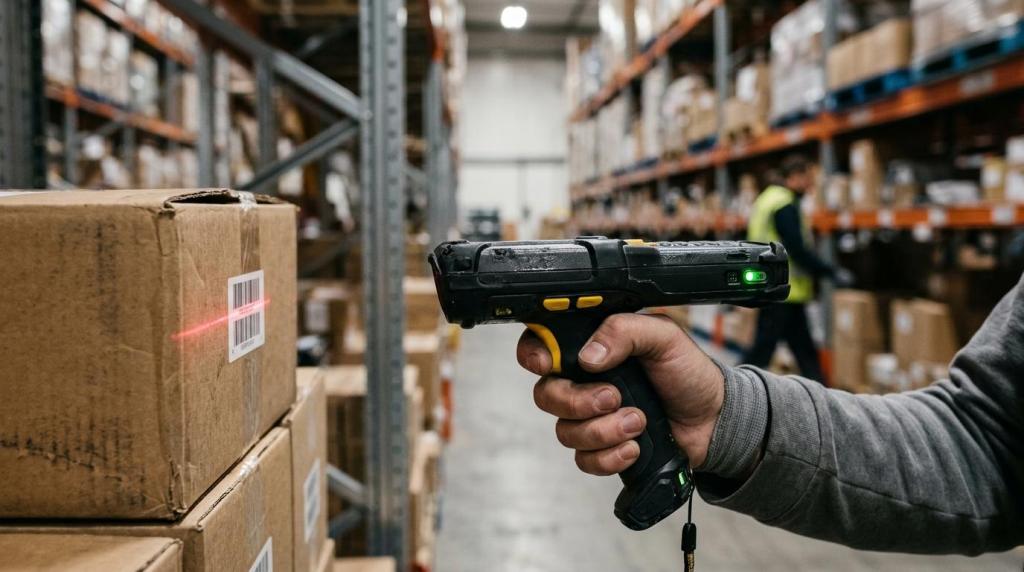
The Benefits of Using A 3PL For Stock Control
Stock control often looks manageable right up to the point when growth starts to strain it. More orders, more SKUs, more returns, more locations, and suddenly a process that once felt tidy becomes reactive. Teams spend time chasing discrepancies, checking spreadsheets, recounting shelves and answering customer queries about items that should have been available but are not.
That is where a strong third-party logistics provider can make a real difference. A 3PL like 3PLWOW does far more than store products and send parcels; they optimize the distribution network to ensure efficient delivery and management. With the right warehouse systems, stock monitoring routines, and reporting, a 3PL can give clients better control over inventory, achieve significant cost savings, save meaningful time, and bring structure to day-to-day operations.
Why stock control becomes harder as order volumes grow
Stock control is not simply about knowing how many units are in the building. It is about trusting that the number in the system matches the number on the shelf, and trusting that the shelf location, returns status and order allocation are all correct as well.
Industry bodies define inventory accuracy as the variance between physical inventory and perpetual inventory records. When that gap widens, problems follow quickly. A business may think it has stock available, only to find that the item is missing, damaged, in the wrong location or already committed elsewhere. This is often described as phantom inventory, and it creates avoidable friction across sales, customer service and purchasing.
As pressure builds, internal teams can end up spending their best hours on low-value firefighting rather than commercial work.
A 3PL helps by introducing discipline into a process that can otherwise drift, ensuring smoother fulfillment of orders. Goods-in checks, bin locations, stock movements, order allocation, cycle counts and returns processing are handled within a controlled warehouse environment with a focus on scalability. That structure is valuable on day one, and it becomes even more valuable as sales increase.
How a 3PL improves inventory accuracy and stock visibility
Accurate stock data supports almost every operational decision and enhances order fulfilment efficiency. When inventory records are reliable, a business can plan purchasing with more confidence, reduce stockouts, avoid overstocking and improve order fill rates. Research from APQC links stronger inventory accuracy with lower inventory value, fewer expedited orders, lower carrying costs and better customer satisfaction. Those are commercial gains, not just warehouse gains.
A capable 3PL supports this with warehouse management systems, scanning processes and real-time reporting. Instead of relying on a patchwork of spreadsheets and manual checks, clients can view stock levels, inbound movements, order status and returns data through a more structured system. That visibility makes it easier to spot issues early, before they affect customers.
Technology matters here. Official guidance from major logistics operators points to cloud-based WMS tools, barcode scanning, IoT and RFID as practical ways to improve warehouse accuracy and speed. Studies cited by NIST found that RFID reduced inventory cycle count time by 95% and increased inventory accuracy by 27%, while also reducing overstocks and understocks. A growing business may not need every advanced tool from the start, though the principle is clear: better stock visibility leads to better stock control.
The benefit for the client is simple. Decisions become based on current information rather than guesswork.
| Stock control area | Typical in-house pressure point | What a strong 3PL can improve |
|---|---|---|
| Inventory accuracy | Mismatch between physical and system stock | Scanning, cycle counts, controlled locations |
| Stock visibility | Delayed or fragmented reporting | Real-time or near real-time reporting |
| Order allocation | Manual checks before dispatch | System-led picking and stock reservation |
| Returns processing | Slow rebooking of returned stock | Faster inspection and status updates |
| Replenishment planning | Unclear sales and stock trends | Cleaner data for purchasing decisions |
A provider like 3PLWOW can add value here because inventory management and stock control are built into the fulfilment model, rather than treated as an occasional clean-up exercise. One published 3PLWOW case study reported order accuracy rising from 96.2% to 99.4% within 90 days, with same-day dispatch improving from 71% to 94%. It also reported return processing time falling from 6 days to 2 days. Those improvements reflect better operational discipline as much as extra capacity.
Time savings from using a 3PL for stock control
Time is one of the first gains clients notice. Internal teams often underestimate how many hours are lost to stock-related admin. Someone checks a discrepancy. Someone recounts. Someone searches for a missing pallet. Someone updates a spreadsheet. Someone emails customer service with a correction. The minutes are small, yet the weekly total is not.
A 3PL removes much of that burden. Inventory movements are logged as part of standard warehouse activity. Counts happen within a planned routine. Dispatch and returns feed directly into stock records. That means the client spends less time asking what happened and more time acting on what the data shows.
For leadership teams, this not only changes the shape of the working week but also enhances scalability while contributing to significant cost savings. Stock control and stock monitoring become less of daily interruptions and more of stable operational inputs.
Common time savings include:
- Fewer manual stock counts
- Less spreadsheet maintenance
- Faster discrepancy checks
- Quicker goods-in processing
- Better use of internal management time
There is also a knock-on effect across departments. Sales teams gain confidence in available stock. Finance teams spend less time resolving inventory anomalies. Customer service teams can give clearer answers. Purchasing teams can plan with fewer last-minute corrections.
Better organisation and stronger inventory management processes
Good stock control depends on organised processes, not heroic effort. A warehouse can be busy and still be well managed, provided every movement follows a defined method. This is one of the most practical reasons to work with a 3PL, as they often operate a sophisticated distribution network to ensure efficiency. The provider brings order to receiving, storage, picking, packing and returns, and that order fulfilment creates consistency.
Organisation matters because stock and supply are constantly moving. New goods arrive. Existing stock is picked. Returns come back in mixed condition. Promotional lines surge. Slow movers occupy space for too long. Without a clear system, items end up in the wrong place, duplicate records appear, and staff start creating workarounds. A 3PL reduces that drift by applying standard operating procedures every day.
Clients often see the difference most clearly in the areas below:
- Goods-in control: incoming stock is booked, checked and put away in a defined sequence
- Location accuracy: inventory is stored in mapped bin locations rather than informal overflow areas
- Movement tracking: transfers, picks and returns are recorded as they happen
- Returns segregation: saleable, damaged and quarantine stock can be separated quickly
- Reporting structure: stock data is presented in a consistent format for review and planning
This level of organisation supports stronger management decisions. When the data is clean, it is easier to judge reorder points, promotional timing, supply chain efficiency, aged stock risk and warehouse capacity. That makes the business more responsive without making it more chaotic.
There is also a cultural benefit. Teams stop operating in permanent catch-up mode.
A 3PL helps reduce stockouts, overstocks and costly surprises
Poor stock control usually shows up at the worst moment. A fast-selling product goes out of stock unexpectedly. A customer places an order for an item that cannot actually be found. A large purchase order arrives even though there is already too much inventory on hand. Every one of these scenarios ties up cash, time or goodwill.
Accurate inventory records reduce those risks. Guidance from DHL highlights that reliable stock tracking helps prevent both stockouts and overstocking. That matters because stockouts lose sales, while excess stock consumes space and working capital. Neither outcome is attractive for a growing business.
A 3PL supports a healthier balance. Better visibility helps clients see what is selling, what is stagnant and what needs replenishment. With cleaner data and effective stock monitoring, forecasting improves and restocking decisions become calmer. The business is not perfect overnight, though it is far less likely to be surprised by its own inventory.
Better fulfilment performance starts with better stock control
Fast dispatch and accurate delivery do not begin at the packing bench. They begin with trusted stock records. If the wrong quantity is shown in the system, or if items are stored in the wrong location, fulfilment speed falls quickly. Staff waste time searching, orders miss cut-off times and customer confidence slips.
A well-run 3PL tightens this connection between stock control, order fulfilment, and fulfilment. Warehouse systems can optimise pick paths, support consistent picking across locations and reduce handling errors. That improves same-day dispatch performance and order accuracy, both of which matter deeply to e-commerce brands and wholesale operations alike.
Returns are part of the same picture. If returned stock sits unprocessed for days, the system understates available inventory and the business loses selling time. The 3PLWOW case study mentioned earlier reported returns processing dropping from 6 days to 2 days after outsourcing. That is not only a service improvement. It is also a stock control improvement.
What to look for in a 3PL for stock control support
Not every 3PL will deliver the same level of control, so the choice of partner matters. A business should look beyond storage rates and parcel costs and ask how inventory management is handled day to day. The quality of the systems and routines will shape the client experience far more than a simple price comparison.
Useful questions include:
- How is inventory accuracy measured: ask how physical stock is reconciled against system records
- What visibility does the client receive: check reporting frequency, dashboard access and exception alerts
- How are cycle counts handled: regular counting matters more than occasional full stock takes
- How are returns processed: speed and status clarity affect sellable stock availability
- What happens when discrepancies appear: a clear investigation process is a sign of mature operations
A provider like 3PLWOW is relevant in this conversation because the client benefit is not limited to warehousing space and includes significant cost savings through an efficient distribution network. The real value comes from time savings, stronger organisation, clearer management information and more predictable fulfilment. When those pieces work together, stock control stops being a source of drag and starts supporting growth in a very practical way.
For businesses that want to scale without losing grip on inventory, that shift can be decisive in achieving operational fulfillment and enhancing scalability.

Why 3PLWOW LTD Is the Best Choice in the UK for Food Supplement Order Fulfilment
The UK food supplement market is growing rapidly, with consumers demanding faster delivery, perfect order accuracy, and confidence that the products they receive have been stored and handled correctly. For supplement brands, choosing the right fulfilment partner is no longer just about shipping parcels—it’s about protecting your reputation, maintaining compliance, and creating an exceptional customer experience. That’s where 3PLWOW LTD stands apart.
The Growing Challenges of Supplement Fulfilment
Food supplements require specialist handling that many general fulfilment companies simply aren’t equipped to provide. Vitamins, collagen powders, gummies, protein products, wellness supplements, and functional foods often require:
Controlled storage conditions
Batch and expiry date management
Strict hygiene procedures
Accurate inventory tracking
Fast and reliable dispatch
Compliance with food safety standards
Industry experts consistently highlight temperature control, batch traceability, compliance, and order accuracy as essential requirements when selecting a supplement fulfilment provider.
Why Supplement Brands Choose 3PLWOW
Specialist Food Supplement Fulfilment Expertise
Unlike general warehousing providers, 3PLWOW specialises in handling food supplements and health products. Whether you sell vitamins, gummies, collagen powders, protein supplements, sports nutrition, health foods, or wellness products, the fulfilment process is designed specifically for the unique requirements of your industry.
Our team understands that supplement brands need more than storage and shipping. They need a fulfilment partner that helps maintain product integrity and customer trust from the moment stock arrives until it reaches the end consumer.
Safe and Compliant Storage
Product quality begins with proper storage.
At 3PLWOW, food supplements are stored using procedures based on HACCP food safety principles. Our warehouse environment is designed to support the safe storage of vitamins, powders, gummies, and health food products, with hygiene monitoring, pest control programmes, and contingency plans for temperature fluctuations.
Key benefits include:
Secure warehouse facilities
Clean and monitored storage conditions
Food safety-focused procedures
Temperature management capabilities
Pest control and hygiene monitoring
Safe handling of sealed products
For supplement brands, this means confidence that products remain in excellent condition before dispatch.
Accurate Pick and Pack Services
One incorrect order can result in negative reviews, refund requests, and lost customers.
3PLWOW uses proven fulfilment processes to ensure orders are picked, packed, and dispatched accurately. Every order is handled with care, helping supplement brands maintain excellent customer satisfaction while reducing operational headaches.
Our fulfilment services include:
Professional pick and pack operations
Brand-specific packaging options
Batch and expiry date tracking
Careful handling of fragile supplement containers
Order verification processes
Efficient dispatch procedures
Accuracy is critical in supplement fulfilment, and our systems are designed to help ensure customers receive exactly what they ordered.
Fast UK and International Shipping
Modern consumers expect rapid delivery.
3PLWOW helps supplement brands meet customer expectations through efficient dispatch operations and access to trusted courier networks. Whether you’re shipping throughout the UK or expanding internationally, our fulfilment services help ensure orders reach customers quickly and reliably.
Fast fulfilment can improve customer retention, increase repeat purchases, and strengthen your brand reputation.
Scalable Solutions for Growing Supplement Brands
Many supplement businesses begin by packing orders themselves before realising fulfilment is consuming valuable time and resources.
Outsourcing fulfilment allows brands to focus on:
Product development
Marketing
Customer acquisition
Brand growth
New product launches
As order volumes increase, 3PLWOW scales alongside your business. Whether you’re shipping 100 orders per month or thousands, our infrastructure is designed to support growth without the need for you to invest in warehouse space, staff, or fulfilment systems.
Real-Time Inventory Control and Batch Management
Supplement fulfilment requires visibility.
Effective inventory management helps prevent stock shortages, overselling, and expired products reaching customers. Industry best practices emphasise batch tracking and expiry management as critical components of supplement logistics.
3PLWOW helps brands maintain control of stock while supporting efficient inventory management and order processing.
Trusted by UK Businesses
3PLWOW has built a reputation for responsive service, reliability, and flexibility. Businesses consistently highlight:
Fast communication
Reliable order fulfilment
Flexibility during growth
Strong customer service
Long-term partnerships
Our clients trust us because we treat their products and customers as if they were our own.
Cost-Effective Alternative to Running Your Own Warehouse
Managing your own warehouse can be expensive and time-consuming.
Costs often include:
Warehouse rent
Staff wages
Equipment
Insurance
Software
Packaging materials
Courier management
By outsourcing to 3PLWOW, supplement brands gain access to professional fulfilment infrastructure without the significant overheads associated with operating an in-house warehouse.
The Ideal Fulfilment Partner for Supplement Brands
Whether you’re launching a new vitamin range, scaling a sports nutrition business, selling collagen products, or distributing health supplements across the UK and internationally, 3PLWOW provides the specialist expertise required to support your growth.
Our combination of:
Supplement fulfilment expertise
HACCP-based storage procedures
Accurate pick and pack services
Fast dispatch
Scalable fulfilment solutions
Excellent customer service
Cost-effective operations
makes 3PLWOW one of the leading choices for food supplement fulfilment in the UK.
Ready to Grow Your Supplement Brand?
If you’re searching for a reliable UK fulfilment partner for vitamins, collagen powders, gummies, sports nutrition products, health foods, or wellness supplements, 3PLWOW can help.
Our specialist supplement fulfilment services are designed to help brands reduce costs, improve efficiency, and deliver a better customer experience.
Contact 3PLWOW today and discover why more supplement brands are choosing us as their trusted UK fulfilment partner.
When to Hire a 3PL (Third Party Logistics) Provider?
Growth is exciting right up to the point where orders start controlling the business.
That is usually the moment a company begins asking whether it is time to bring in a third-party logistics provider, often shortened to 3PL. A specialist partner like 3PLWOW takes over core fulfilment tasks including goods-in, storage, picking, packing, shipping, returns, inventory management and stock control. The aim is not simply to move boxes out of the building faster. It is to stop fulfilment from limiting sales, customer experience and operating discipline.
For many firms, the switch happens later than it should. Recent industry research and fulfilment case examples point in the same direction: the right time to hire a 3PL is often before operations feel critical, not after service levels have already slipped.
Why businesses hire a 3PL provider
A 3PL becomes relevant when fulfilment stops being an internal function and starts becoming a growth constraint. That can happen to a start-up packing orders from a spare unit, a mid-sized ecommerce brand wrestling with stock accuracy, or a larger company trying to maintain service level agreements across multiple sales channels.
The pressure is easy to recognise. Orders rise, storage space tightens, staff get pulled away from commercial work, and shipping becomes harder to predict. Instead of building the brand, leaders spend evenings checking tracking numbers, fixing mispicks and chasing courier issues. 3PLWOW describes this as the point where fulfilment is no longer a side task but a strategic constraint, and that phrasing fits many fast-growing businesses well.
Industry data supports the shift. NTT DATA’s 2025 Third-Party Logistics Study reported that 25% more shippers are outsourcing to 3PLs for greater business and technology value. The same study found that 61% of shippers believe change management is needed to improve supply chain visibility, technology and planning. That matters because fulfilment problems are rarely just warehouse problems. They affect forecasting, customer service, margin and confidence in decision-making.
Penske’s reporting on the 2024 Third-Party Logistics Study adds a second layer of evidence. It found that 89% of shippers said 3PLs improved service, while 80% said 3PLs helped reduce overall logistics costs. Those numbers help explain why outsourcing is often seen not as a retreat from control, but as a better way to regain it.
Key signs your fulfilment operation has reached its limit
The most common mistake is waiting until fulfilment is already hurting the brand. By then, customers have seen delayed dispatch, stockouts, wrong items and slow returns.
Several warning signs tend to appear early:
- Dispatch running into evenings
- Stock taking longer to reconcile
- Customer queries rising
- Mispicks becoming more frequent
- Storage space shrinking every month
- Promotions causing operational disruption
- Shipping costs changing without warning
If even a few of those sound familiar, fulfilment may already be taking too much management attention. A provider such as 3PLWOW is often brought in at this point to stabilise picking, shipping and inventory control before peak periods make the problem worse.
There is also a customer expectation issue. NTT DATA reported that almost half of shippers say consumers expect delivery in less than two days, along with transparency and environmental commitments. That raises the standard for every seller. Fast delivery is no longer enough on its own. Customers want accurate stock visibility, reliable order updates and a returns process that feels straightforward.
What a 3PL improves in picking, shipping, inventory management and stock control
When companies talk about using a 3PL, they sometimes focus only on freight costs, courier rates, or warehouse space. Those matter, but the wider benefit is operational structure. A good 3PL gives a business a repeatable fulfilment system.
That system usually covers four areas.
- Picking orders: standardised workflows, barcode scanning, quality checks and trained labour that can scale during peaks
- Shipping orders: carrier selection, freight and rate management, same-day dispatch processes, tracking updates and service level monitoring
- Inventory management: live stock visibility, goods-in accuracy, replenishment logic and clearer reporting across channels
- Stock control: cycle counting, location discipline, batch or SKU traceability, and fewer losses from misplacement or over-ordering
Those improvements can be material. One 3PLWOW case study reported monthly order capacity rising from 15,000 to more than 35,000 within 90 days. In the same example, order accuracy moved from 96.2% to 99.4%, same-day dispatch improved from 71% to 94%, and average return processing time fell from six days to two. Results vary by business, of course, though the pattern is familiar: disciplined fulfilment can unlock sales without adding internal chaos.
Reverse logistics deserves attention as well. Returns are often where in-house teams lose time and margin. A 3PL with a clear reverse logistics process can inspect returned items, update stock status quickly and feed usable data back into planning. That helps protect working capital rather than leaving sellable stock sitting in a returns cage.
When a small business should hire a 3PL
Small businesses usually hire a 3PL earlier than expected, not because they are huge, but because founder time is expensive. If the owner is packing orders instead of selling, planning, buying stock or improving the product, the business is already paying a hidden fulfilment cost.
A small company is a strong candidate when order volume is becoming consistent and daily dispatch must happen reliably. The exact threshold varies, though the trigger is rarely a single order number. It is more often a pattern: parcels taking over the day, spare rooms turning into warehouses, and every promotion creating stress.
At this stage, a 3PL can help a small business in practical ways:
- Time recovery: founders and early staff get back hours for marketing, product work and customer growth
- Professional fulfilment: picking and packing move into a process-driven environment
- Cost flexibility: variable fulfilment costs can be easier to manage than taking on warehouse rent and permanent labour
- Customer confidence: faster dispatch and cleaner tracking improve the direct-to-consumer experience
For smaller brands, inventory management is often the hidden win. Stock held in a structured warehouse with proper location control is easier to count, replenish and forecast than stock spread across shelves, offices and overflow spaces. That alone can reduce cash tied up in excess purchasing.
When a medium-sized business benefits most from 3PL support
Medium-sized businesses tend to feel the biggest operational shock. They have enough order volume to create complexity, yet not always enough infrastructure to handle that complexity cleanly. Multi-channel sales, marketplace orders, wholesale fulfilment and product launches all collide in the same stockroom.
This is usually where manual work starts creating expensive mistakes. Staff are added quickly, but training is inconsistent. One platform shows a product in stock while another does not. Dispatch targets depend on who is on shift. Labour becomes reactive. Penske’s study noted that 78% of shippers said labour challenges had affected service level agreements, which fits this stage of growth very closely.
A 3PL can bring medium businesses the discipline they often need most: process consistency. Picking paths become standardised, stock counts are more reliable, shipping rules are automated, and service levels can be measured against clear targets. 3PLWOW also points to the value of standardised SLAs, variable labour and shipping rules when brands outgrow home-grown fulfilment.
The table below shows where the shift often becomes worthwhile.
| Business size | Typical trigger for hiring a 3PL | Main fulfilment gains |
|---|---|---|
| Small business | Founders spending too much time packing orders | Time back, cleaner dispatch, better stock visibility |
| Medium business | Growth causing mispicks, labour strain and stock errors | Scalable picking, stronger inventory control, shipping consistency |
| Large business | Network complexity, channel expansion and service pressure | Capacity resilience, reporting discipline, multi-site coordination |
Medium-sized firms also gain from better planning signals. When inventory data is more reliable, purchasing decisions improve. That means fewer avoidable stockouts, fewer emergency replenishment decisions and less money tied up in slow-moving lines.
When large businesses hire a 3PL for scale and resilience
Larger companies do not usually hire a 3PL because they cannot fulfil orders at all. They do it because scale creates a different type of risk. As channel count grows, service promises tighten and customer expectations rise, internal fulfilment networks can become rigid or expensive.
A 3PL can give a larger business capacity without the capital drag of more warehouse space, equipment and fixed headcount. That is especially useful during seasonal peaks, product drops and channel launches. 3PLWOW makes this point clearly in its growth-focused material: the right partner can provide reach, resilience and data without the weight of permanent expansion.
For larger operations, the value often sits in visibility and control tower visibility rather than basic storage. A strong 3PL relationship can support better reporting across inventory positions, order status, dispatch performance and returns throughput. That makes it easier to manage service level agreements, track order accuracy and spot where delays are forming.
There is another reason larger businesses turn to outsourcing: speed of change. Opening a new market, onboarding a retail partner or launching a direct-to-consumer channel can happen faster with a 3PL network than with a self-built facility project. In that sense, outsourced logistics is often a commercial enabler, not just a cost line.
How to judge the timing before fulfilment becomes urgent
The best time to hire a 3PL is often just before the business feels forced into it. 3PLWOW has argued that many brands switch too late, after strain is already urgent. That rings true because fulfilment transitions are easier when service is still stable and the business has time to map SKUs, processes and data flows properly.
A sensible timing review should look at more than order volume. It should look at how fulfilment affects management bandwidth, service performance, working capital and customer experience.
Questions worth asking include:
- Picking capacity: can the current team handle normal growth without rising error rates?
- Shipping performance: are dispatch promises being met consistently, even during promotions?
- Inventory accuracy: is the stock file trusted enough to support purchasing and sales decisions?
- Labour resilience: can absences, seasonality and peak demand be absorbed without disruption?
- Space limits: is storage already shaping product and buying decisions?
- Technology visibility: does the business have the reporting needed to plan with confidence?
If the answer to several of those is no, the case for outsourcing is already forming.
A good 3PL should not only promise faster fulfilment. It should show how picking will be controlled, how shipping rules will be applied, how inventory will be counted, how reverse logistics will work and what reporting the business will receive. That is where a provider like 3PLWOW can become valuable to a growing company: not only as warehouse capacity, but as an operational partner with systems, labour structure and fulfilment discipline ready to use.
The strongest signal is simple. When fulfilment starts dictating strategy rather than supporting it, it is time to act. Businesses that move before the strain becomes visible to customers tend to give themselves more room to grow, better stock control, and a more reliable path from sale to delivery.