
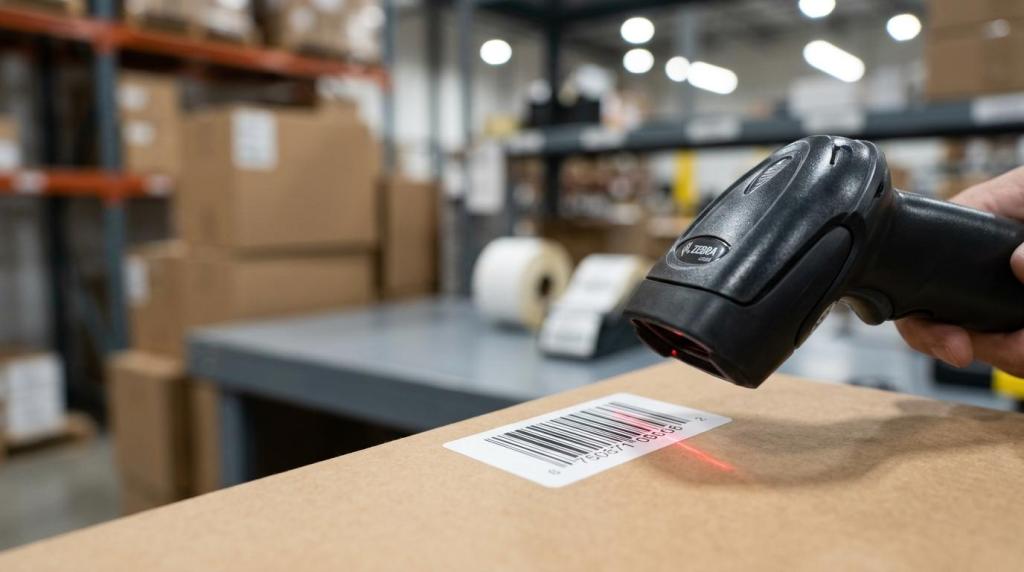
Streamlining E-Commerce: Daily Dispatch with 3PLWOW
When an online shop starts to grow, order volume rarely rises in a neat, predictable line. A strong campaign, payday spike, seasonal rush, or a successful product launch can double daily orders with very little warning, highlighting the importance of supply chain operational efficiency. At that point, same-day dispatch stops being a nice extra and becomes a clear test of whether operations can keep pace with demand.
A third-party logistics provider can turn that pressure into structure, speed, and consistency.
For ambitious ecommerce brands, the appeal is simple. Instead of building warehouse capability from scratch, hiring ahead of demand, and trying to hold tight cut-off times with a small internal team, a specialist fulfilment partner handles the operational side with systems, labour, storage, and carrier processes already in place. That is where a provider like 3PLWOW can make a meaningful difference.
Why same-day dispatch matters for e-commerce conversion
Fast fulfilment shapes customer confidence long before a parcel arrives. Shoppers notice dispatch promises on the product page, in the basket, and at checkout. If the offer looks slow or vague, trust drops quickly. A 2026 DHL survey found that 93% of U.S. shoppers identified as convenience-driven consumers, while 66% said they abandon purchases when the delivery offering does not meet expectations. Even though that research is U.S.-based, the direction of travel is clear for online retail more broadly: speed, transparency, and easy returns now sit close to the centre of the buying decision.
The same research found that 57% of shoppers want same-day or even faster delivery and returns over the next five years. That does not mean every product must arrive within hours. It does mean customers increasingly expect orders placed today to move today.
When a business can dispatch on the same day, several things improve at once:
- stronger checkout confidence
- fewer support queries
- better campaign readiness
- more reliable delivery messaging
That combination matters most when a brand is scaling. Growth often amplifies weak processes. A dispatch promise that worked well at 20 orders a day can unravel at 200.
Common reasons growing e-commerce brands miss same-day dispatch
Most businesses do not miss same-day dispatch because the team lacks commitment. They miss it because the operation has outgrown the setup behind it. The breakpoints are usually practical rather than strategic: stock stored in multiple places, late order batching, manual picking, poor inventory visibility, or carrier collection windows that arrive before the warehouse is ready.
Small delays compound very quickly. A product oversold by two units creates manual checks. A picker loses time looking for stock in the wrong location. A returns pile sits unprocessed and inventory accuracy drifts. By mid-afternoon, the queue is bigger than the team can clear before carrier cut-off.
These are some of the most common blockers:
- Inventory visibility: stock levels are not updating in real time across channels
- Order batching: orders are printed or released too late in the day
- Warehouse layout: fast sellers are not positioned for quick picking
- Staffing flexibility: labour cannot scale with promotions or peak periods
- Quality control: packing errors create rework, reships, and customer complaints
A growing e-commerce business can often tolerate one or two of those issues for a while, but customer experience and satisfaction can suffer if they’re not addressed. It cannot tolerate all of them at once and still promise same-day dispatch with confidence.
How 3PLWOW supports same-day dispatch for online orders
An specialist 3PL addresses the problem by building fulfilment around repeatable process rather than heroic effort. 3PLWOW publicly states that precision-checked orders are shipped the same day and that next-day delivery is available. It also states that it stores e-commerce goods in a warehouse with capacity for more than 15,000 pallets, which signals an operation built to support volume rather than a basic storage-and-send model.
That scale matters because same-day dispatch is not only about speed on the packing bench. It depends on receiving stock correctly, storing it logically, keeping inventory accurate, releasing orders quickly, and handing parcels to carriers within the right window. If one part slips, the dispatch promise weakens.
For a growing retailer, the attraction of a provider like 3PLWOW is that the infrastructure is already in place. Instead of adding shelves in an office, renting overflow units, or training temporary staff every time sales lift, the brand plugs into an established fulfilment environment.
The commercial model matters too. 3PLWOW states that pick and pack starts from £0.40 per order and storage from £2.00 per week. Pricing is only one part of the picture, yet it helps frame the appeal for brands that want to protect cash flow while still lifting service levels and enhancing the customer experience and satisfaction.
Same-day fulfilment systems that improve speed and accuracy
The real strength of outsourced fulfilment lies in discipline. Same-day dispatch sounds simple from the outside, but it depends on dozens of small actions happening in the right order. Orders need to flow from the sales channel into the warehouse without delay. Inventory must be accurate before the order is even placed. Pick paths must make sense. Packaging needs to be ready. Carrier labels must generate cleanly. Parcels have to be manifested and staged before collection.
A capable 3PL reduces friction across the entire supply chain. Real-time inventory updates help stop overselling. Standardised picking methods reduce walking time and missed lines. Precision checks lower the chance of incorrect items leaving the warehouse. Returns processing feeds stock back into availability faster, which supports future orders.
The table below shows how that typically compares with a stretched in-house setup.
| Fulfilment area | Growing in-house challenge | What a 3PL like 3PLWOW can offer | Likely impact |
|---|---|---|---|
| Inventory control | Delayed stock updates and manual corrections | Real-time inventory updates and structured locations | Fewer oversells and fewer urgent stock checks |
| Pick and pack | Slower picking as SKU count rises | Dedicated pick and pack workflow | Faster order turnaround |
| Accuracy checks | Errors during busy periods | Precision-checked orders | Lower reship costs and stronger customer trust |
| Carrier management | Missed cut-off times or limited options | Pre-set dispatch routines and delivery services | Better odds of same-day dispatch |
| Peak trading support | Team stretched by promotions and seasonal spikes | Capacity designed for higher order volumes | More stable performance during growth |
A strong fulfilment operation does not just move faster; it enhances efficiency throughout the entire process. It becomes calmer, which is often what enables speed to hold.
Measurable fulfilment results from using a 3PL partner
The value of outsourced fulfilment for ecommerce is easiest to grasp when it is tied to outcomes rather than promises. In a 3PLWOW case study published in 2026, a scaling e-commerce brand reportedly increased monthly order capacity from 15,000 to more than 35,000 within 90 days. Over the same period, order accuracy improved from 96.2% to 99.4%, while same-day dispatch rose from 71% to 94%.
Those numbers deserve attention because they show the relationship between speed and control. Same-day dispatch did not improve in isolation. It improved alongside capacity and accuracy. That is exactly what a growth-stage retailer needs. Faster dispatch without accuracy only creates more support tickets. Higher volume without better process only creates more strain.
A result like 94% same-day dispatch is also a reminder that fulfilment performance is usually built through system design, not luck. Brands often reach a point where effort alone cannot lift service levels any further. A 3PL can help move the ceiling.
Signs your e-commerce business is ready for outsourced fulfilment
Many founders wait too long before outsourcing. They assume fulfilment should stay in-house until the team is completely overwhelmed, yet that timing often means service quality has already slipped. Customer emails increase. Reviews mention delivery delays. Staff spend more time fixing yesterday’s problems than shipping today’s orders.
A smarter trigger is to move when growth becomes harder to support with the current setup, even if the business is still coping on the surface.
Useful signs include:
- Order spikes: sales events or promotions regularly push the team beyond its daily dispatch limit
- Space pressure: stock is spreading across offices, spare rooms, or secondary storage
- delayed returns processing
- rising picking errors
- Management drag: founders or senior staff are spending too much time on packing and parcel chasing
If those signs feel familiar, the issue is no longer whether fulfilment needs attention but how efficiency can be improved. The real question is whether the business wants to solve it reactively or by design.
Practical steps to start same-day dispatch with 3PLWOW
Moving to a 3PL is easiest when the handover is treated as an operational project rather than a quick fix. Product data needs to be clean. SKUs should be clearly defined. Packaging rules, inserts, bundles, and channel-specific requirements need documenting. Carrier expectations, cut-off times, and returns flows should also be agreed early.
That groundwork creates a much smoother start. It also gives the 3PL the clarity needed to support same-day dispatch from day one, rather than spending weeks untangling avoidable issues.
A practical rollout often follows this shape:
- Audit current fulfilment performance, including cut-off compliance, accuracy, and returns turnaround.
- Clean product and inventory data before stock is transferred.
- Map channel integrations so orders flow automatically.
- Agree service rules for urgent orders, bundles, fragile items, and peak periods.
- Track early KPIs closely, especially same-day dispatch rate, inventory accuracy, and order error rate.
The strongest partnerships keep those measures visible. Same-day dispatch should not be treated as a vague aspiration. It should be tracked, reviewed, and improved with clear operational accountability.
For growing ecommerce brands, optimizing the supply chain is the real opportunity. A provider like 3PLWOW can do more than ship parcels quickly. It can help turn fulfilment into a dependable part of the customer offer, enhancing customer satisfaction and improving the customer experience with the systems and warehouse discipline needed to support same-day dispatch as order volume rises.
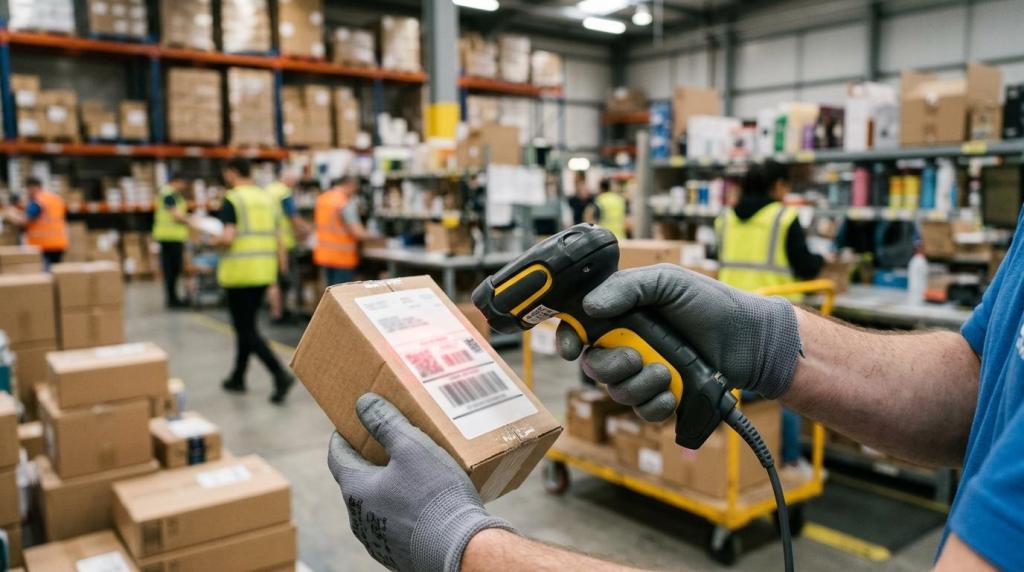
The Rise of Next-Day Delivery
Online shoppers have grown used to speed, largely driven by the rise of next-day delivery. What once felt like a premium service is now often treated as a normal part of buying online, especially when the purchase feels urgent. A forgotten birthday gift, a replacement household item, a last-minute work need, or a fast-moving seasonal trend can all push consumers towards the “arrives tomorrow” option without much hesitation.
That shift matters because next-day delivery is no longer just a checkout feature. It shapes conversion, customer confidence, and the way an e-commerce business must run its fulfilment operation. For many retailers, meeting that demand consistently becomes much easier with the support of a third-party logistics provider such as 3PLWOW.
Why next-day delivery is becoming a standard e-commerce option
Customer expectations have moved quickly over the past few years. Faster parcel networks, stronger fulfilment technology, and the influence of large online marketplaces have changed what “good service” looks like. Shoppers may not demand next-day delivery on every order, yet they increasingly expect it to be available when timing matters.
Research supports that picture. McKinsey reported that average parcel delivery speed improved from 6.6 days in the first quarter of 2020 to 4.2 days in the second quarter of 2023. When delivery gets faster across the market, customers reset their expectations. A service that used to stand out starts to feel ordinary.
There is also a wider cultural signal in the UK postal market. Ofcom’s 2025 reforms showed that, even while lower-urgency mail is being treated differently, next working day service still matters for urgent items. Royal Mail is still required to deliver First Class letters the next working day, Monday to Saturday. That says something important: urgency has not disappeared. If anything, it has become more concentrated.
For e-commerce businesses, this means next-day delivery is increasingly seen as a baseline option for time-sensitive orders, not a novelty.
What customers value beyond pure delivery speed
Speed is powerful, but it does not act alone. Many shoppers want fast delivery only when the price and reliability feel fair. That balance is what makes next-day delivery commercially interesting. It can drive orders, yet only if it sits inside a delivery offer that customers trust.
Ofcom found that affordability and reliability matter more than speed for most people, even though next-day service remains important for occasional urgent purchases. McKinsey found that 90% of consumers surveyed were willing to wait two or three days if it helped them avoid shipping costs, and more than 95% preferred free standard shipping over paid expedited shipping. Those findings point to a clear pattern: customers like speed, but they dislike feeling overcharged even more.
DHL’s research adds another layer. It found that 66% of shoppers abandon purchases when the delivery offering does not meet their expectations. That expectation might be speed, but it could just as easily be the convenience of free shipping, simple returns, or confidence that the parcel will arrive when promised.
In practice, customers tend to judge the whole delivery proposition, not one metric in isolation, and same-day delivery options can become a key differentiator in meeting urgent needs.
- Free or low-cost delivery
- Reliable arrival dates
- Clear tracking updates
- Realistic next-day cut-off times
- Easy returns
A useful way to think about this is to separate customer desire from operational meaning.
| Customer expectation | What it means operationally |
|---|---|
| “I need it tomorrow” | Late order cut-offs, same-day picking, fast carrier injection |
| “I do not want to pay too much” | Cost-controlled carrier mix and margin discipline |
| “I need to trust the date shown” | Accurate stock data and dependable fulfilment workflows |
| “I want updates” | Tracking integration and proactive exception handling |
| “I may return it” | Reverse logistics process that is quick and visible |
The commercial impact of next-day delivery on e-commerce sales
When next-day delivery is offered well, it can increase conversion because the rise of next-day delivery reduces hesitation. A shopper who is unsure whether to buy today or wait often chooses today if same-day delivery or tomorrow delivery is available. This is especially true in categories where urgency is emotional or practical, including gifts, fashion, beauty, homewares, health products, and replacement items.
It can also lift average order value. Consumers who trust a retailer’s fulfilment promise may add more to the basket rather than splitting purchases across sites. That trust has a direct commercial value.
There is a warning here, though. A weak next-day promise can damage a brand faster than no next-day promise at all. If the website advertises tomorrow delivery but the warehouse misses the dispatch window, the result is not merely a delayed parcel. It becomes a broken promise, and the customer service cost rises with it.
That is one reason late-order complaints tend to carry disproportionate weight. They affect reviews, repeat purchase behaviour, and internal workload at the same time.
The warehouse and fulfilment requirements behind next-day delivery
The phrase “next-day delivery” sounds simple to the customer. Operationally, it is anything but simple. It depends on stock accuracy, pick efficiency, packing speed, dispatch cut-offs, carrier handover, label accuracy, and constant visibility across the order flow.
A retailer trying to manage this in-house often reaches a tipping point. Order volume grows, SKU counts increase, more sales channels are added, and cut-off times become harder to hold. What worked for 50 orders a day may start to fail at 500.
That pressure usually shows up in familiar places:
- Inventory accuracy: oversells, stock mismatches, and backorders create immediate risk for next-day promises.
- Cut-off discipline: orders placed late in the day must still be processed fast enough to meet carrier collections.
- Warehouse layout: poor slotting increases walking time and slows picking.
- Carrier coordination: one missed collection or routing error can affect an entire day’s dispatch.
- Exception handling: address issues, damaged items, or out-of-stock problems need intervention before the order misses the window.
The core point is straightforward. Fast delivery is built in the warehouse long before it appears on the checkout page, offering unmatched convenience to customers.
How a 3PL provider like 3PLWOW supports next-day fulfilment
A third-party logistics provider gives e-commerce brands access to warehouse space, fulfilment systems, labour, carrier relationships, and process structure that would take significant time and capital to build internally. That matters most when next-day demand starts rising faster than operational capability.
Rather than treating every order the same way, a good 3PL operation can prioritise fast-turnaround orders, maintain stricter dispatch workflows, and create a more dependable cut-off process. This is valuable not only for large retailers. Mid-sized and growing brands often gain the most because they are large enough to feel pressure, yet not large enough to run a highly tuned multi-carrier fulfilment network alone.
The case evidence linked to 3PLWOW offers a useful example of what operational improvement can look like. In a published homeware brand case study, the move to a larger warehouse setup helped raise the next-day on-time rate to 98.8%. The cut-off time for next-day orders moved from 15:00 to 17:30, and customer service tickets about late orders fell by 47% in the first quarter.
Those numbers matter because they connect warehouse process control with real customer outcomes. A later cut-off gives shoppers more flexibility. Higher on-time performance protects trust. Fewer late-order tickets reduce service strain and free internal teams to focus on growth.
Warehouse process control for next-day delivery performance
Much of the value a 3PL brings sits in repeatable daily discipline. Fast fulfilment is not only about working harder. It is about reducing avoidable friction inside the order path.
A stronger warehouse process often includes clearer pick routes, barcode scanning, better location management, carrier-based packing logic, and tighter dispatch windows. These may sound like back-end details, yet they decide whether a 4:45 pm order leaves the building on time.
For brands with promotional spikes or seasonal peaks, this matters even more. Next-day demand rarely arrives in a smooth line. It clusters around launches, payday periods, Black Friday, Christmas, and weather-driven demand. A 3PL is often better placed to absorb those swings because labour planning, storage configuration, and daily throughput are already built around variable volume.
Carrier management and delivery performance for next-day orders
Carrier choice is another major part of the equation. Not every order should move through the same delivery service, and not every postcode behaves the same way. A capable 3PL can select carriers based on parcel profile, destination, service level, and cost tolerance rather than forcing all orders into a single route.
This helps retailers keep next-day and same-day delivery available without allowing shipping costs to spiral. It also supports service resilience. If one carrier faces disruption, a multi-carrier setup offers alternatives.
After all, the customer does not care which depot handled the parcel. The customer cares whether it arrives when promised.
Why next-day delivery often becomes easier to scale with outsourced fulfilment
Scaling next-day delivery internally usually demands investment in warehouse management systems, more space, more people, more carrier contracts, and tighter operational leadership. Some retailers are happy to make that investment. Many others would rather put capital into stock, marketing, product development, or international sales.
That is where outsourced fulfilment becomes attractive. It can shift fixed logistics overhead into a more flexible operating model while giving access to processes that are already designed for speed.
A 3PL relationship can help in several practical ways:
- Later order cut-offs: more chance to convert shoppers who buy in the late afternoon or early evening.
- Order accuracy: fewer mis-picks and fewer avoidable delays.
- Peak capacity: better support during promotions and seasonal peaks.
- Carrier options: stronger control over cost, transit times, and regional performance.
- Reporting visibility: clearer insight into dispatch rates, exceptions, and service levels.
The strongest benefit is often consistency and convenience. One-off fast days are not enough. E-commerce brands need a fulfilment setup that can deliver tomorrow, tomorrow, and the day after that.
Questions e-commerce brands should ask before promising next-day delivery
Before promoting next-day delivery more aggressively, retailers should test whether the full operation can support the promise at scale. That means looking beyond website messaging and into the detail of fulfilment performance.
A practical review should include technology, warehouse flow, stock accuracy, and carrier reliability, alongside margin impact. Next-day delivery can increase sales, but the economics only work if failed deliveries, support tickets, and rushed manual fixes are kept under control.
Useful questions include:
- What is the real cut-off time: not the advertised one, but the last point at which orders still leave on time?
- How accurate is inventory: can the business trust stock data across all channels?
- What is the on-time dispatch rate: measured daily, not assumed?
- How often do late orders create customer service tickets: and what are the main causes?
- Can the current setup handle peak volume: without reducing service quality?
For many e-commerce businesses, those questions lead to the same realization: the rise of next-day delivery is shaping operational strategies. Customer demand for next-day delivery is growing among consumers, but meeting it well depends on operational strength. When that strength is supplied by a specialist 3PL such as 3PLWOW, next-day delivery becomes far more than a marketing line. It becomes a dependable part of the customer experience and a stronger base for growth.
Myth: Outsourcing Is Too Expensive
The belief that outsourcing fulfilment is automatically expensive sounds sensible at first. A growing e-commerce brand imagines storage fees, pack and pick charges, account management costs, and courier billing all stacked on top of one another. Compared with handling orders in-house, that can look like paying twice.
Yet that view often focuses on visible fees and misses the full operating picture, including its impact on the budget. When order fulfilment is kept inside the business, the real bill includes warehouse space, racking, equipment, wages, training, sick cover, management time, packaging processes, courier contracts, and the cost of mistakes. Once those are counted properly, outsourcing to a third-party logistics provider can shift from “extra cost” to “better cost structure”.
Why the outsourcing cost myth persists in e-commerce fulfilment
Many fast-growing online retailers start with a spare room, a small unit, or a lean warehouse team, unaware of the potential outsourcing benefits as they expand. In that stage, in-house fulfilment feels cheap because the business is using space and people it already has. The trouble starts when order volume rises.
Growth changes the maths. A warehouse that once felt manageable needs more shelves, more staff, longer opening hours, tighter stock control, and faster dispatch. Courier expectations rise too. Customers want quick delivery, accurate tracking, and hassle-free returns, while the business is still trying to protect margin.
That is where the myth takes hold. The 3PL invoice is easy to see. The cost of running fulfilment internally is spread across rent, labour, packing benches, software, overtime, error correction, and leadership attention, so it is easier to understate.
A better question is not “What does a 3PL charge?” It is “What is the true cost per order of doing this ourselves, at the service level customers expect?”
Total operating cost matters more than a single fulfilment fee
This is where the broader evidence is useful. The 2025 Third-Party Logistics Study found that 66% of respondents said 3PLs contribute to reducing overall costs, while 82% said they contribute to improved customer service. That is a strong signal that price alone is the wrong lens. Businesses tend to judge outsourcing on total operating performance, not just on the face value of a pick fee.
A 3PL may not be cheaper on every line item. Some brands will see a clearer saving on warehousing, others on labour, others on shipping. The stronger case is usually that fixed costs become variable costs, capacity becomes more flexible, and service becomes more reliable, making it a cost-effective outsourcing solution.
| Cost area | In-house fulfilment | Outsourced 3PL fulfilment | Why it changes the picture |
|---|---|---|---|
| Warehouse space | Fixed lease or long-term commitment | Shared infrastructure | You pay for the space and activity you need |
| Labour | Recruitment, wages, training, cover, supervision | Operational team already in place | Less exposure to staffing volatility |
| Pick and pack | Internal process design and quality control | Established workflow and systems | Fewer errors and less rework |
| Courier shipping | Often limited buying power | Volume-based carrier relationships | Better rates can offset service fees |
| Technology | WMS, labels, tracking, reporting | Usually built into the service | Lower systems burden |
| Seasonal peaks | Overtime, temporary staff, overcrowding | Scalable capacity | Growth is easier to absorb |
Seen this way, the cost debate becomes more practical, especially when leveraging the expertise of a third-party logistics provider. The issue is not whether outsourcing has a fee. Of course it does. The issue is whether that fee replaces a larger and less flexible internal cost base.
Warehousing costs are often higher than expected
Warehouse costs rarely stop at rent. There is business rates, utilities, insurance, security, equipment maintenance, consumables, cleaning, health and safety obligations, and the cost of holding more space than you need for much of the year. For a seasonal e-commerce brand, that problem is even sharper. Space sits half-used in slower periods, then feels too small when promotions hit.
A 3PL model changes that by spreading infrastructure across multiple clients. Instead of carrying the burden of a building designed for peak trading, a merchant can access warehouse space as needed. That helps cash flow, because capital is not tied up in premises, fit-out, forklifts, racking, and the rest of the operational estate.
The benefit is not only financial. It also removes friction from growth. Moving from 500 orders a week to 5,000 is a very different challenge when the business considers outsourcing and does not need to source more warehouse space before it can take more orders.
After businesses review the full warehousing bill, the hidden items tend to come into focus:
- Rent and rates
- Utilities and insurance
- Racking and storage equipment
- Packaging stations and consumables
- Stock control systems
- Waste, cleaning, and site upkeep
Those are not incidental expenses. They shape margin month after month.
Staff expenses in pick and pack can quickly overtake expectations
Outsourcing labour is one of the biggest pressures in fulfilment. Pick and pack is detail-heavy work, and it depends on good training, accuracy, reliable attendance, and strong supervision. If volume grows quickly, the business may need temporary staff, overtime, or new team leaders before it has properly stabilised operations.
Data from the U.S. Bureau of Labor Statistics helps show the scale of labour cost in warehousing. The sector employed 1.85 million workers, and average hourly earnings were reported at $26.76 in May 2026. For stock clerks and order fillers in 2025, the median hourly wage was $21.49. These are US figures, not UK benchmarks, but they still make one point very clearly: warehouse labour is a material cost, and not a minor one.
For a growing brand, the payroll line is only part of the story. Recruitment time, training time, holiday cover, absence cover, error checking, and management oversight all sit behind the wage figure. Every mis-pick or delayed dispatch creates more work. Returns add another layer.
That is why understanding budget constraints, outsourcing benefits, and cost-effective outsourcing often makes financial sense earlier than expected. A 3PL already has the expertise, people, processes, and operational discipline in place. The merchant is not building a warehouse workforce from scratch while also trying to market products, manage stock, and grow revenue.
Some labour-related savings are direct, others are indirect:
- Recruitment: fewer hours spent hiring warehouse staff
- Training: less repeat onboarding as turnover changes
- Supervision: reduced need for internal fulfilment management
- Overtime: lower exposure during promotions and peak trading
- Errors: fewer costly re-picks, refunds, and reshipments
That is where “too expensive” starts to look less convincing.
Courier shipping costs can improve with a 3PL
Shipping is one of the biggest reasons e-commerce brands hesitate on outsourcing, yet it is often one of the strongest arguments in favour of it. Many individual retailers do not have enough parcel volume to secure the best courier rates on their own. A 3PL usually ships across multiple clients and carriers, which can create more favourable pricing.
That matters because delivery expectations are expensive. The same 2025 3PL study noted that many shippers and 3PLs are reluctant to absorb shipping speed-related costs beyond a small percentage. In simple terms, the market is under pressure. Fast shipping costs money, and brands need operational efficiency to avoid margin erosion.
A capable 3PL can help in several ways. Better carrier buying power is one. Efficient order cut-offs, accurate labelling, and consistent same-day dispatch are others. Those improvements reduce premium shipping workarounds and customer service escalations.
Courier savings do not always show up as a dramatic line-by-line drop on day one. Sometimes the win comes from keeping shipping cost increases under control while service improves. That still matters. Protecting margin is often just as valuable as cutting spend.
Better fulfilment service can reduce the cost of mistakes
There is a habit in e-commerce of treating service and cost as separate topics. In fulfilment, expertise shows how they are closely linked. When accuracy rises and dispatch gets faster, the business usually spends less on resends, customer support tickets, returns handling, and goodwill gestures.
Published case material from 3PLWOW points to this link clearly. In that case study, monthly order capacity rose from 15,000 to more than 35,000 within 90 days after moving to a 3PL model. The same material reports order accuracy improving from 96.2% to 99.4%, same-day dispatch moving from 71% to 94%, and average return processing time falling from 6 days to 2 days.
Those are service metrics, yes. They are also cost metrics.
An inaccurate order is not just a customer experience issue. It can mean replacement shipping, extra packing time, refund risk, wasted stock movement, and a customer who may not buy again. Slow returns processing can tie up inventory and generate more support queries. Delayed dispatch can increase “where is my order?” traffic and put more pressure on marketing spend to replace lost trust.
The savings generated by better fulfilment often appear in places businesses do not track closely enough:
- fewer reshipments
- fewer support tickets
- less manual exception handling
- stronger review scores
- better repeat purchase potential
When a 3PL improves service through outsourcing, it can improve economics at the same time.
How growing brands should assess 3PL pricing properly
A sensible pricing review starts with current reality, not with assumptions. If a business compares a 3PL quote only against rent and warehouse wages, the result will be incomplete. The proper comparison should include all-in cost per order, the cost of stock storage, the cost of management time, shipping performance, the budget allocated for these expenses, and the operational risk of peak periods.
It also helps to separate fixed costs from variable costs. Fixed costs are comfortable when volume is stable and high. They are much less comfortable when demand fluctuates. Variable cost structures can be healthier for businesses that are still scaling.
When reviewing a 3PL partner, the strongest questions are practical ones:
- Storage model: how is warehouse space charged as stock levels change?
- Pick and pack pricing: what happens when order profiles vary by SKU count?
- Courier options: are there carrier choices that fit speed and margin goals?
- Returns handling: how quickly can stock be processed back into saleable inventory?
- Reporting: can the business see accuracy, dispatch speed, and inventory movement clearly?
This is also the point where fit matters. A low headline rate is not automatically the best answer if it comes with poor service, slow returns, or weak stock control. Cost control comes from the full package.
For ambitious e-commerce brands, cost-effective outsourcing is rarely about stepping away from fulfilment; instead, it’s about recognizing the outsourcing benefits that streamline operations and optimize costs. It is about moving fulfilment into a structure that supports growth without forcing the business to keep building fixed overhead around it. When warehousing, staffing, pick and pack, and courier shipping are assessed together, the claim that outsourcing is too expensive becomes much harder to defend.
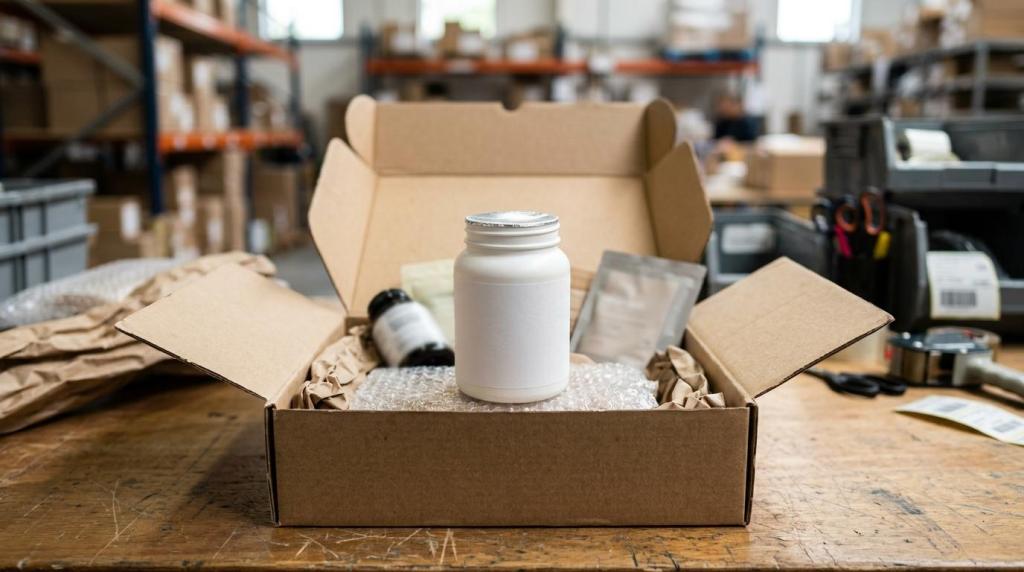
Subscription Commerce Trends
Recurring commerce has moved well beyond streaming and meal kits. It now sits firmly inside mainstream e-commerce, with health, beauty, wellness, and replenishable products leading much of the momentum. For brands selling collagen, vitamins, powders, gummies, and daily supplement routines, subscriptions are no longer a side offer. They are often the model that brings predictability, stronger customer retention, and cleaner demand planning.
That shift matters because subscription growth changes more than revenue. It changes stock control, packing processes, dispatch timing, customer service, and the level of operational discipline needed behind the scenes. A brand can gain valuable insights into customer behavior with a strong product and smart marketing, yet still struggle if recurring orders start arriving faster than the warehouse can handle them.
Subscription commerce trends shaping e-commerce growth
Subscription commerce is becoming more structurally important within online retail. That is visible not only in how brands sell, but in how the sector is now measured. The OECD’s 2025 update to its e-commerce framework explicitly includes subscriptions and AI-assisted transactions in its guidance. That is a strong signal that recurring purchasing is no longer treated as a niche format. It is part of the core shape of digital trade.
Market growth supports that view. U.S. Census Bureau figures for Q1 2026 estimated retail e-commerce sales at $326.7 billion, up 9.8% year on year, with e-commerce accounting for 16.9% of total retail sales. When online retail continues to outpace wider retail growth, recurring models become even more attractive because they can turn one-off digital demand into dependable repeat revenue.
For merchants, that makes subscription commerce appealing for two simple reasons: better visibility and stronger customer lifetime value. A subscriber who reorders every 30 or 60 days is far easier to plan around than a customer who may or may not return. That predictability can improve marketing efficiency, inventory purchasing, and cash-flow timing.
It also creates a tougher operational test.
Why supplements and collagen are strong subscription categories
Collagen and supplements are especially well suited to subscription e-commerce because they are routine-led purchases. Customers rarely buy them as one-off treats. They buy them to support a habit, whether that is skin health, joint support, recovery, sleep, gut health, or general wellness. When the product becomes part of a daily ritual, repeat purchasing follows naturally.
Consumer data supports that wider wellness demand. Ireland’s Central Statistics Office reported in 2025 that 35% of females aged 30 to 59 bought medicines or dietary supplements online, while 61% of females aged 30 to 44 bought cosmetics or wellness products online. Those figures point to a strong overlap between online buying behaviour and categories that often lend themselves to replenishment plans.
The most successful supplement subscriptions usually match product logic with customer psychology. If someone sees the item as part of a steady health routine, they do not want to remember to reorder each month. They want the brand to remove friction.
A few product traits make these categories especially subscription-friendly:
- Repeat use
- Measurable pack duration
- Daily or weekly consumption patterns
- Routine fit: collagen powders, capsules, and gummies often become part of breakfast or bedtime habits
- Replenishment logic: supplements run out on a predictable cycle, which makes dispatch intervals easier to plan
- Customer value: subscription discounts or loyalty perks can feel meaningful without destroying margin
There is another reason wellness subscriptions keep expanding. Many brands no longer sell a single hero product. They sell stacks, bundles, sample kits, seasonal variations, and cross-sell combinations. That can lift average order value, though it also makes fulfilment more complex.
Customer expectations in subscription e-commerce
The modern subscriber expects control. A rigid monthly auto-ship model is no longer enough. Customers want to pause, skip, swap flavours, bring delivery dates forward, add one-off extras, or change frequency without contacting support. In wellness categories, that flexibility matters because consumption is not always perfectly consistent. A customer may miss days, change routines, or try a new product while keeping the core subscription active.
That means the best subscription brands are not simply “shipping the same box every month”. They are managing a living customer relationship through product choice, account management, timing, and convenience.
DHL’s 2025 e-commerce trend reporting also points to wider forces shaping online retail, including AI-driven personalisation, social commerce, B2B, and cross-border selling. Even where a brand starts with a direct-to-consumer subscription offer, it often grows into a more mixed model. Subscribers may come through social channels, buy one-off products through marketplaces, or add wholesale and retail activity later.
When that happens, fulfilment pressure rises quickly.
Subscription fulfilment pressures as brands scale
Recurring orders look simple from the customer side. They are not always simple in the warehouse. Subscription operations depend on consistency, but scaling businesses often need valuable insights to navigate the variability in order profiles, channel demands, packaging rules, and stock timing.
A wellness brand might start with one SKU and one website. A year later, it could be handling starter kits, subscriber-only bundles, influencer-led campaigns, marketplace orders, wholesale cartons, and international paperwork alongside its monthly replenishment orders.
The table below shows where that pressure tends to build.
| Growth area | What changes operationally | Why it matters for subscriptions |
|---|---|---|
| SKU expansion | More variants, flavours, bundle combinations | Increases picking complexity and error risk |
| Channel expansion | Website, marketplaces, wholesale, pop-ups | Different packing, labels, and service rules |
| Demand spikes | Campaign launches and payday surges | Can disrupt recurring dispatch schedules |
| Regulated categories | batch rotation, expiry control, product care | Vital for supplements and ingestibles |
| International sales | Customs data, carrier choice, delivery times | Affects service promises and customer trust |
| Retention offers | Free samples, inserts, gifts with renewal | Requires kitting and packing flexibility |
A subscription business is often judged on reliability more than speed alone. Customers want the parcel to arrive when expected, with the right items, in the right condition, every time. One late or inaccurate shipment can do more damage in a recurring model because it interrupts a habit and weakens trust.
Subscription fulfilment challenges for collagen and supplement brands
Supplements bring a specific operational profile. They may need expiry-date rotation, lot or batch control, and close attention to packaging quality. If a collagen tub leaks, a seal breaks, or a label is wrong, the issue is not just cosmetic. It can trigger complaints, refunds, and wasted acquisition spend.
Brands also have to manage subscription cadence against shelf life and stock purchasing. Order too little and recurring deliveries fall behind. Order too much and working capital sits in storage for too long. That balance becomes harder once multiple subscription frequencies are in play.
Common strain points tend to include:
- Forecasting: recurring revenue helps, but churn, skips, promotions, and add-ons still create moving demand
- Kitting: bundles, welcome packs, and subscription boxes add labour steps that small in-house teams often underestimate
- Accuracy: subscribers expect the same dependable experience month after month
- Inventory control: one stock pool across channels reduces the risk of overselling
- Returns and replacements: damaged or missing items need a fast, clear process to protect retention
There is also the issue of timing. A one-off order can sometimes absorb a short delay. A subscription order due on a set date often cannot. Brands that promise regular wellness support are making a service promise as much as a product promise.
How a 3PL like 3PLWOW supports subscription order growth
This is where a third-party logistics provider can make a real difference. A 3PL gives a growing brand access to warehouse space, fulfilment labour, shipping workflows, and operational systems without the fixed cost of building all of that in-house.
3PLWOW is a relevant example because it explicitly handles subscription boxes and e-commerce fulfilment. It also states that it stores goods in a 15,000+ pallet fulfilment warehouse and publishes entry pricing from £2.00 per week for storage, pick and pack from £0.40 per order, and £2.00 for next-day shipping. For fast-growing brands, that kind of structure can be useful because it gives a clearer sense of variable fulfilment economics.
The value is not only storage and dispatch. It is about making repeat orders reliable while the brand itself gets busier across marketing, product development, and channel growth.
A good 3PL relationship can support subscription brands in practical ways:
- Centralised stock: inventory can sit in one operational hub rather than being split across office shelves, lock-ups, and ad hoc overflow space
- Recurring dispatch routines: subscriber orders can be released and processed in planned waves
- Pick-and-pack consistency: repeat orders benefit from repeatable packing standards
- Multi-channel support: subscriptions can sit alongside marketplace, retail, and wholesale fulfilment without creating internal chaos
- Carrier access: delivery options can be matched to speed, destination, and cost targets
3PLWOW also points to a challenge that many scaling brands recognise quickly: growth often means complexity across subscriptions, marketplaces, wholesale cartons, pop-ups, and international orders. Running all of that from a small internal team can become fragile, especially when every channel has different labelling, documentation, and service expectations.
That is why integration matters as much as warehouse space. If stock updates and dispatch confirmations can move reliably between the fulfilment operation and the e-commerce platform, the business gets a cleaner view of what is available, what has shipped, and what needs attention next.
What strong subscription fulfilment looks like day to day
Operational quality in subscription commerce is often built from small disciplines rather than grand systems. A strong fulfilment setup keeps subscriber orders visible in advance, protects stock for recurring demand, and manages exceptions before they become customer service issues.
For collagen and supplement sellers, that can include sensible batch rotation, accurate kit assembly, stable packing materials, and clear service-level expectations around dispatch dates. It can also include the ability to handle inserts, samples, or promotional extras without slowing the core monthly flow.
One overlooked advantage of a capable 3PL is capacity during peak periods. If a campaign suddenly lifts acquisition, or a creator partnership drives an unexpected surge in trial orders, the recurring base still needs to ship on time. That is where external fulfilment support can protect the customer experience rather than forcing the brand to choose between new sales and existing subscribers.
Subscription commerce trends worth planning for next
Subscription commerce is likely to become more connected, more data-led, and more operationally demanding. The categories growing fastest are often the ones that combine routine use with brand trust, which is exactly why supplements, collagen, and broader wellness products remain such strong candidates.
At the same time, the gap between a good subscription brand and a strained one often comes down to fulfilment discipline and actionable insights. If the back end cannot keep pace with customer expectations, even a popular product can lose momentum.
Brands planning for sustained growth should keep a close eye on a few areas:
- Subscriber retention versus acquisition cost
- Flexible frequency and skip options
- Bundle complexity and kitting time
- Cross-channel inventory control
- Dispatch reliability for recurring orders
For any e-commerce business moving from occasional repeat sales into a true subscription model, fulfilment stops being a background task. It becomes part of the product itself. And when a 3PL partner is set up to handle subscription boxes, centralise stock, and support multi-channel growth, that shift becomes far easier to manage with confidence.

Focusing on Sales Instead of Packing
Growth in e-commerce often looks exciting from the outside, but it requires careful design to sustain success. Orders rise, new customers arrive, and the brand starts to build momentum. Yet inside the business, that same growth can create a quiet drag on sales due to ineffective sales tactics. The more time spent receiving stock, counting shelves, printing labels, packing boxes, and chasing couriers, the less time remains for winning the next customer.
That trade-off becomes sharper as order volume increases. A founder or senior manager may begin the week planning a pricing review, a paid search campaign, or a product design session, only to end it buried in dispatch and returns. Sales do not usually stall because the product is weak. They stall because the people best placed to drive revenue are doing warehouse work.
This is where third-party logistics can change the shape of a business. By handing warehousing and fulfilment to a specialist provider like 3PLWOW, a growing e-commerce company can move operational pressure away from the core team and place more energy where growth actually comes from: selling.
Why packing starts to crowd out sales in growing e-commerce businesses
In the early stage, self-fulfilment can seem sensible. It gives close control over packaging, dispatch speed, and stock. Many businesses start this way because it is simple to launch and cost-conscious at low volume, minimizing the operational costs associated with larger scale fulfillment solutions.
The problem is that what works at 20 orders a day rarely works at 200, where efficiency becomes the critical factor. Picking and packing do not stay as small background tasks. They expand into a daily operating system. Stock takes longer to receive and store properly. Returns need structured handling. Errors become more likely when teams rush. Customer service starts chasing delivery issues instead of building loyalty.
At that point, warehousing is no longer just a practical function. It begins to consume leadership attention. Shopify’s help material makes a straightforward point here: when a business ships products itself, it controls how quickly it packages products and hands them to carriers. That control sounds attractive, but it also means the business owns every delay, every bottleneck, every packaging decision, and every hour spent getting parcels out the door.
A growing e-commerce team usually notices the same pattern:
- Late evenings printing labels
- Marketing work pushed to tomorrow
- Stock discrepancies
- Slower campaign testing
- Senior staff handling returns
- Missed sales follow-up
These are not just operational frustrations. They are lost productivity and selling hours.
What a third-party logistics provider takes off your desk
A third-party logistics provider, often shortened to 3PL, takes responsibility for core fulfilment tasks on behalf of the retailer. That normally includes receiving inbound stock, warehousing, inventory handling, picking, packing, dispatch, and returns processing.
Instead of building internal capacity for every fulfilment step, including efficient packaging, the retailer plugs into an existing logistics operation. Specialist teams, warehouse systems, and dispatch processes do the physical work that was previously carried by the in-house team.
For a growing e-commerce business, that changes the weekly rhythm of the company.
- Receiving: inbound deliveries checked and booked into stock
- Storage: goods held in organised warehouse locations
- Picking and packing: orders prepared by dedicated fulfilment staff
- Dispatch: parcels handed to carrier networks on schedule
- Returns: items processed and stock updated more quickly
The shift matters because warehousing is not just labour. It is management load. When that load moves externally, commercial work has room to breathe again.
3PLWOW’s published material makes this case plainly. It describes third-party logistics as moving fulfilment work to a specialist partner so internal teams can focus on sales, brand building, product development, and customer acquisition. That is the real attraction for a scaling retailer. The warehouse still matters, but it no longer dictates what the leadership team does all day.
How outsourced warehousing creates more time for sales activity
Sales growth is rarely produced by packing faster in-house. It usually comes from better acquisition, stronger conversion, and smarter retention. Those activities need time, concentration, and consistent decision-making.
When a business outsources warehousing, sales work can move back to the front of the agenda, enhancing productivity, efficiency, and strategic design in operations. Management can spend more time refining product pages, improving paid media performance, negotiating with marketplaces, planning stock around demand, and reviewing customer lifetime value. Those are higher-value uses of leadership time than dealing with packaging and taping boxes.
This also helps teams think further ahead. Instead of spending each afternoon reacting to dispatch volume, the business can plan offers, build launch calendars, test bundles, and improve email flows. Sales performance tends to improve when the company is working on the business rather than constantly working in the warehouse, allowing more focus on effective sales tactics and optimized packaging strategies.
The difference is easier to see in practical terms:
| Area of focus | In-house fulfilment pressure | Outsourced fulfilment support |
|---|---|---|
| Leadership time | Daily dispatch oversight | Sales planning and trading reviews |
| Marketing | Paused during peak order periods | More consistent campaign execution |
| Customer acquisition | Reduced attention | More time for channels and testing |
| Range expansion | Delayed by warehouse workload | More capacity for new product launches |
| Customer service | Chasing parcel issues manually | More time for service quality and retention |
There is also a psychological benefit. Teams under fulfilment strain often operate in permanent catch-up mode. That makes commercial thinking narrower and more reactive. With warehousing delegated, the business can return to a clearer operating cadence, where sales activity is planned rather than squeezed into spare moments.
What published figures suggest about outsourced fulfilment performance
The case for outsourcing is stronger when it improves fulfilment performance, reduces costs, and frees up time. Published case material from 3PLWOW points in that direction.
In one published example, a direct-to-consumer home and lifestyle brand had grown from roughly 4,000 to more than 14,000 monthly orders before moving to a 3PL arrangement. After the switch, the reported capacity rose from 15,000 orders a month to more than 35,000 within 90 days. That suggests outsourced fulfilment was not only taking pressure away from the business but also creating room for further growth.
The same published example reported service gains too:
| Metric from published 3PLWOW case material | Before move | After move |
|---|---|---|
| Monthly order capacity | 15,000 | 35,000+ |
| order accuracy | 96.2% | 99.4% |
| Same-day dispatch | 71% | 94% |
| Average return processing time | 6 days | 2 days |
Those figures matter because sales and fulfilment are tightly linked. Better order accuracy reduces avoidable customer service work. Faster dispatch supports conversion and repeat purchase. Quicker returns processing improves stock visibility and customer confidence. So the benefit is not simply “someone else packs the boxes”. The benefit is that the whole commercial system can function more cleanly.
Wider market data also supports the idea that scale and e-commerce capability go together. UK official statistics from the Office for National Statistics showed total UK e-commerce sales at £586 billion in 2017, up from £506 billion in 2016. The same release showed website sales at £300 billion, ahead of EDI sales at £286 billion, and a far greater share of very large businesses selling through websites than micro-enterprises. Bigger operators often have more structured infrastructure. Outsourced fulfilment can help a smaller or mid-sized retailer access that sort of operational footing earlier.
How 3PLWOW can help a growing e-commerce business focus on selling
Using a provider like 3PLWOW is not just about outsourcing labour. It is about handing over an operating burden that pulls attention away from growth. The published material from 3PLWOW centres on exactly that point: internal teams regain time for sales, marketing, and business development when fulfilment moves to a specialist partner.
That model is well suited to the stage where order growth starts to expose the limits of in-house warehousing. A retailer may still want full visibility over stock, customer experience, and sales channels, while no longer wanting to manage the day-to-day mechanics of storage, packaging, picking, packing, and dispatch. A 3PL with an efficient design can sit in that gap.
A sensible arrangement often gives the retailer control where it counts and relief where it helps most, allowing focus on strategic design of operational processes. The brand still decides how to sell, where to acquire customers, which sales tactics to push, and how to position the offer. The logistics provider handles the physical flow of goods.
This creates space for more productive work, enhancing productivity across different business functions:
- Sales leadership: pricing, promotions, channel strategy
- Marketing: paid campaigns, content, email, retention activity
- Product work: launches, bundles, margin review
- Customer acquisition: testing new routes to market
There is also a basic commercial truth here. Every hour a founder spends packing orders is an hour not spent increasing average order value, improving conversion, or building partnerships. Early on, that may be unavoidable. As the business grows, it becomes costly, both in terms of time and operational costs.
What to look for in a 3PL partner when sales growth is the goal
Not every logistics arrangement creates the same business outcome. If the aim is to free the team for sales, the provider should do more than offer space on a shelf. The service needs to reduce friction, improve reliability, and support growth without creating a new layer of management complexity.
A good place to start is operational scope. If the provider handles receiving, storage, picking, packaging, dispatch, and returns, the retailer avoids splitting responsibility between multiple parties. That keeps accountability clear.
It also helps to assess the service through a sales lens rather than a warehouse lens. The question is not simply, “Can they store our stock?” The better question is, “Will this setup give our team more time and confidence to sell?”
Useful areas to assess include:
- Accuracy standards: how orders are checked and tracked
- Dispatch speed: cut-off times and same-day capability
- Returns handling: turnaround time and stock updates
- Scalability: capacity during promotions and peak seasons
- Short onboarding path
- Clear reporting
- Carrier network fit
A provider that performs well in these areas can do more than stabilise operations. It can remove hesitation from the commercial plan. When the business trusts fulfilment capacity, it is easier to run bigger campaigns, test stronger offers, and push volume with conviction due to increased efficiency.
Moving warehousing out of the business without losing commercial control
One concern often holds businesses back: the fear that outsourcing fulfilment means losing control of customer experience. That concern is reasonable, but it is not the only possible outcome.
Control does not have to mean physically touching every parcel. In many cases, real control comes from defined service levels, strong reporting, and a partner that can execute consistently at scale. If those elements are in place, the retailer can keep ownership of the brand experience while stepping away from the warehouse floor.
This is where the shift becomes strategic rather than purely operational. The business stops asking, “Who is packing today?” and starts asking, “How do we increase sales next quarter?” That is a healthier question for a growing e-commerce company.
As order volume rises, the opportunity cost of in-house packing rises with it. Delegating warehousing to a specialist provider like 3PLWOW can give a business more than spare time. It can give back commercial focus, stronger fulfilment capacity, and more room to pursue revenue with intent.
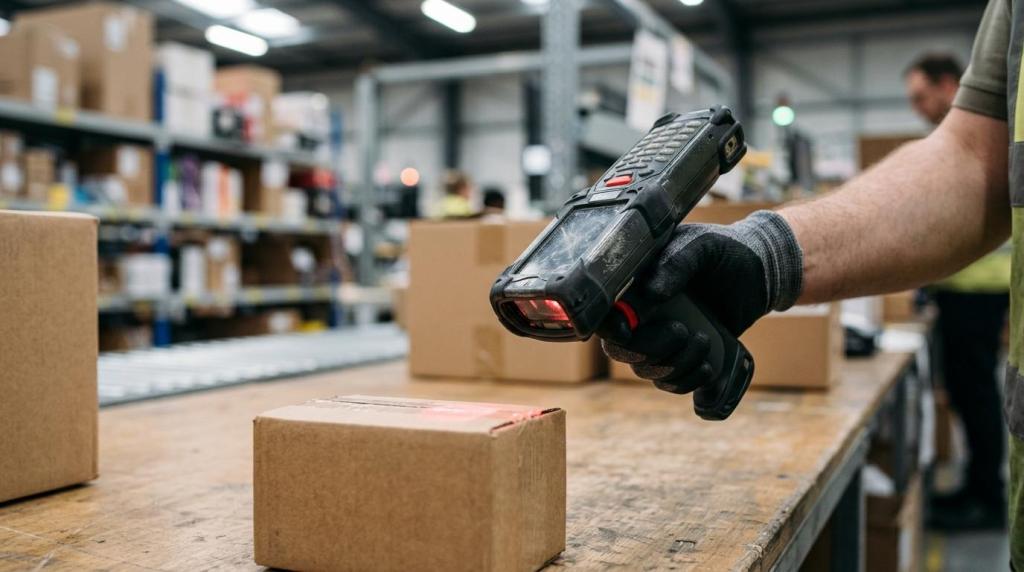
UK E-commerce Growth Trends
The story of UK e-commerce is no longer about whether people are willing to buy online. That question was settled years ago. The more useful question now is this: how are online retailers meant to keep growing when customer expectations, channel complexity, and fulfilment pressure all rise at the same time?
Recent UK data points to a market that is still moving forward at a healthy pace. That growth is creating opportunity, though it is also exposing a familiar weak point for many e-commerce businesses: operations. When order volumes climb, fulfilment can either support growth or quietly limit it. This is where a third-party logistics provider can make a measurable difference, especially for brands that have moved beyond the early stage and need stronger capacity, speed, and control.
UK e-commerce growth data shows a strong market
Official figures from the Office for National Statistics show that online retail remains a major part of UK consumer spending. In June 2026, the proportion of retail sales made online rose to 29.4%, up from 28.9% in May, and the highest share since April 2021. That is a striking figure on its own, though the trend becomes even clearer when viewed over several years.
The ONS internet-sales ratio series shows online sales accounted for 19.2% of retail in 2019. That figure rose sharply during the pandemic period, peaked at 30.7% in 2021, and then settled at 27.1% in 2024 and 27.4% in 2025. In other words, the UK did not “snap back” to a pre-2020 model. Online has retained a much larger share of retail activity.
Growth in value terms is also encouraging. ONS data published in July 2026 reports that online spending values increased by 3.8% in Q2 2026 compared with Q1, and by 11.7% compared with Q2 2025. In June alone, online sales values were up 2.8% month on month and 14.4% year on year.
| UK e-commerce indicator | Latest figure | What it suggests |
|---|---|---|
| Online share of retail sales, June 2026 | 29.4% | Online retail remains close to three in every ten retail pounds |
| Online spending values, Q2 2026 vs Q2 2025 | +11.7% | Consumers are spending more online, not merely browsing |
| Internet-sales ratio, 2019 | 19.2% | Pre-pandemic baseline was much lower |
| Internet-sales ratio, 2025 | 27.4% | Structural shift towards e-commerce has held |
| Online sales values, June 2026 vs June 2025 | +14.4% | Short-term momentum is still strong |
This matters because growth in e-commerce revenue nearly always brings growth in fulfilment demand. More stock movements, more parcels, more returns, more pressure on customer service, and less room for operational error.
What is driving UK e-commerce growth trends now
Part of the answer is simple: online shopping is now a normal retail behaviour across categories, age groups, and devices. The House of Commons Library reported that retail sales in Great Britain were worth £517 billion in 2024, up 1.4% from 2023. The total market is large, and digital channels are taking a meaningful share of that spend.
Consumer behaviour is also becoming more channel-fluid. Shoppers may see a product on social media, compare it on a marketplace, then buy direct from a brand site if the price, delivery promise, and returns offer feel right. A 2025 DHL shopper survey found that 63% of British shoppers had already made a purchase via social media. That is a reminder that “e-commerce” is not just a website anymore.
Customer expectations are rising with that shift. The same DHL research found that 80% of British shoppers abandon their baskets if their preferred delivery options are missing. That number should catch any retailer’s attention. Marketing may win the click, though fulfilment choices often decide whether the sale happens.
A few forces are shaping the current growth pattern:
- Social commerce
- Mobile-first buying
- Faster delivery expectations
- Broader returns expectations
- Greater price transparency
These forces support growth, though they also place more weight on the fulfilment model sitting behind the storefront.
UK logistics expansion reflects e-commerce demand
The logistics property market has been reacting to online growth for years. ONS analysis on UK warehousing found that the number of business premises used for transport, logistics and warehousing almost doubled over the previous decade. In 2021, transport and storage premises were 88% higher than in 2011 and 21% higher than in 2019.
That is not a minor operational footnote. It is evidence that e-commerce growth has physical consequences. Online retail may look digital from the customer’s point of view, but every order still needs space, labour, systems, packaging, and transport.
Warehouse construction has followed that demand. The same ONS analysis reported that new warehouse construction orders reached £5.6 billion in 2021, the highest annual level since 1985. Demand has been especially strong in the Midlands and other major logistics corridors, where access to transport networks can support national parcel distribution.
For growing retailers, this creates a practical reality. Fulfilment is now a specialist discipline, not just a back-room function.
Why fulfilment becomes a growth limit for UK e-commerce companies
Many online retailers begin with a founder-led or in-house operation. That model can work very well in the early stage. Teams are close to the product, stock is manageable, and the order count remains within a predictable range.
Problems tend to appear when growth stops being linear. A business that jumps from a few thousand monthly orders to five figures quickly runs into new demands: pick-and-pack speed, storage capacity, courier management, returns handling, staffing peaks, software integration, and stock accuracy. None of these issues sound dramatic on their own. Together, they can stall momentum.
The warning signs usually look familiar:
- Late dispatches
- Inventory mismatches
- Rising packing errors
- Poor visibility across channels
- Slower customer response times
At that point, the real cost is not only operational. It is commercial. Delays and inaccuracies hurt reviews, repeat purchase rates, and paid media efficiency. If a retailer invests more to win demand but cannot fulfil consistently, growth becomes expensive.
Delivery options influence conversion and retention
A retailer does not need to offer every delivery service under the sun, though it does need options that match customer expectations and product type.
When shoppers leave because preferred delivery options are missing, customer satisfaction is affecting revenue well before a parcel ever leaves the warehouse.
How a third-party logistics company supports UK e-commerce growth
A third-party logistics company, often shortened to 3PL, takes on warehousing and fulfilment activity on behalf of the retailer. Depending on the provider, that can include storage, goods-in, order picking, packing, courier booking, returns processing, and reporting.
The value of this model is often misunderstood. It is not simply about outsourcing work. It is about gaining infrastructure, processes, systems, and labour capacity that would take time and capital to build internally.
For a UK e-commerce company, the main benefits tend to fall into a few clear areas:
- Scalability: extra capacity for seasonal peaks, promotions, and sudden order growth
- Speed: later cut-off times, faster pick-and-pack workflows, stronger same-day dispatch rates
- Accuracy: tighter stock control, barcode workflows, and lower mis-pick rates
- Cost structure: less pressure to fund warehouse space, staffing, and equipment upfront
- Delivery choice: access to broader courier services that suit different customers and basket values
A strong 3PL can also help management teams refocus. Instead of spending senior time on warehouse hiring, layout changes, and parcel exceptions, the business can invest more energy in product development, trading, channel growth, and customer acquisition.
That shift matters most when the commercial side is moving quickly. If sales are coming in through a website, marketplaces, subscriptions, and social commerce at once, the fulfilment operation needs to keep pace without becoming a bottleneck.
3PLWOW case study results show what outsourced fulfilment can change
Published case studies should always be read with a degree of care, because one brand’s results do not guarantee the same outcome for every retailer. Even so, they can be useful when the metrics are operational and specific.
A 2026 case study published by 3PLWOW described a direct-to-consumer brand that had grown from around 4,000 monthly orders to more than 14,000 before moving to outsourced fulfilment. That is exactly the stage where many e-commerce businesses start to feel strain: demand is proven, though the original fulfilment setup is no longer sufficient.
According to the case study, monthly order capacity increased from 15,000 to more than 35,000 within 90 days of switching to 3PL fulfilment. Order accuracy improved from 96.2% to 99.4%, while same-day dispatch rose from 71% to 94%.
Those figures matter because they show three different kinds of improvement:
- capacity for growth
- better service quality
- faster order processing
A retailer does not need to match those numbers exactly to see the appeal. Even moderate gains in dispatch speed or accuracy can have a direct effect on customer satisfaction, repeat sales, and support workload.
What UK e-commerce companies should look for in a 3PL partner
Choosing a logistics partner is not only a rate comparison exercise. The best fit depends on sales channels, order profile, product dimensions, return rates, growth plans, and service promise.
A retailer selling low-SKU subscription products has different needs from a brand with hundreds of SKUs, bundles, fragile goods, or strong marketplace volumes. That is why the right questions matter early.
Key areas to assess include system capability, operational discipline, and commercial fit. A provider may offer attractive pricing, though weak software integration or poor reporting can create problems elsewhere. Equally, a premium operator is not automatically the right choice if the service model does not suit the brand’s stage of growth.
Useful checks include the following:
- Integration support: can the 3PL connect cleanly with Shopify, marketplaces, ERP tools, and courier systems?
- Stock visibility: will the retailer get live inventory data and clear exception reporting?
- Service levels: what are the cut-off times, dispatch targets, and returns turnaround times?
- Flexibility: can the operation cope with promotions, influencer spikes, and Q4 peaks?
- Commercial clarity: are storage, pick, packing, returns, and special project fees easy to model?
It also helps to ask about sectors already served. Cosmetics, supplements, apparel, homeware, and subscription products each bring different operational demands. Experience in the relevant category can shorten the learning curve and reduce avoidable mistakes.
Fulfilment strategy is becoming part of e-commerce growth strategy
UK e-commerce growth is still being supported by strong online spending values, a durable online share of retail sales, and changing customer buying habits. At the same time, the logistics market itself is expanding in response, with more warehouse demand and more transport and storage premises across the country.
For online retailers, that means fulfilment can no longer sit in the background as a simple operational necessity. It is part of the growth model. The businesses that treat it that way are better placed to protect margins, maintain service quality, and scale with confidence as order volumes rise.
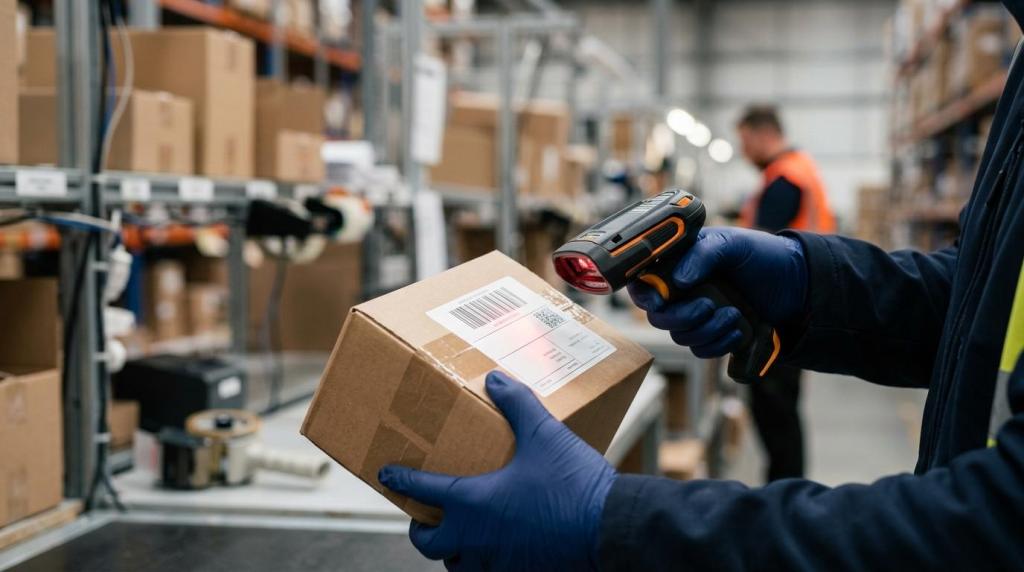
Experience Seamless Fulfilment With 3PLWOW – First Month Free!
When logistics, fulfilment, and order management start to strain, growth rarely feels exciting for long. Orders increase, yet dispatch windows tighten, customer queries rise, and stock visibility gets harder to trust. What should feel like progress can begin to feel expensive, especially when exceptions arise.
That is why a strong switching offer matters. Move your fulfilment to 3PLWOW and your first month’s pick and pack is free. Postage still applies, though removing that first operational cost can make it much easier to switch fulfilment company at the right moment.
If you are looking for a free fulfilment quote, an order fulfilment quote UK businesses can act on quickly, or a practical route to outsourced fulfilment, this offer is aimed at reducing hesitation and speeding up the move.
Why switching to a UK 3PL can reduce ecommerce pressure
Third-party logistics usually covers the core operational work behind each order: warehousing, inventory tracking, order picking, packing, carrier coordination, shipping and returns handling. For growing ecommerce brands, moving these tasks to a specialist partner is often less about outsourcing for its own sake and more about implementing delivery solutions that create room to scale through effective e-commerce fulfilment.
A well-run UK fulfilment centre can also optimize logistics operations, improve the supply chain, and sharpen the customer experience. Faster dispatch, clearer stock data, effective inventory management, and stronger returns handling have a direct effect on repeat purchase rates, reviews and support demand.
Industry research points the same way. A recent 3PL study reported that 82% of shippers using 3PLs said those providers contributed to improved customer service, while 66% said 3PLs helped reduce overall costs. That matters when every delay, packing error or stock mismatch has a visible effect on margin.
When brands decide to change 3PL provider, the trigger is often familiar, with common issues like packaging inefficiencies coming to the forefront:
- Late dispatch
- Rising labour costs
- Limited warehouse space
- Poor stock visibility
- Manual order flow
- Returns taking too long
The right move is not simply to find a warehouse quote. It is to secure a setup that supports better pick pack and dispatch performance, stable service levels and a clearer path for future volume.
Why 3PLWOW stands out for UK fulfilment
Public Companies House records show 3PLWOW LTD is an active UK private limited company, company number 10165840, incorporated on 6 May 2016. For ecommerce businesses reviewing a new partner, that kind of company record matters. It points to an established operator rather than a short-lived intermediary.
Published 3PLWOW case material also reports measurable gains after brands moved to outsourced fulfilment. These are not generic promises about efficiency. They are operational figures tied to capacity, accuracy and speed.
| Metric from published case material | Before outsourced fulfilment | After switch | Reported result |
|---|---|---|---|
| Monthly order capacity | 15,000 | 35,000+ within 90 days | Significant scale increase |
| Order accuracy | 96.2% | 99.4% | Fewer avoidable errors |
| Same-day dispatch | 71% | 94% | Faster order turnaround |
| Returns processing time | 6 days | 2 days | Quicker returns handling |
| Shipping-related support contacts | Baseline level | 38% lower | Reduced customer service pressure |
Those numbers matter because they reflect the practical concerns that push a business to switch fulfilment company in the first place. Capacity protects growth. Accuracy protects margin. Dispatch speed protects customer trust. Returns speed protects both cashflow and reputation.
There is also a simpler commercial point here. When businesses search for the best fulfilment company UK options, they are often trying to answer three questions at once: can this provider cope with our order profile, will service remain steady as volumes rise, and is the pricing clear enough to trust? A free first month of pick and pack answers part of that immediately by lowering the risk of change.
How the first month free pick and pack offer works
The offer is straightforward. Move your ecommerce fulfilment to 3PLWOW and the first month of pick and pack charges is waived. Postage still applies, so shipping costs remain based on the services used, but the labour cost attached to picking and packing your orders is removed for that opening month.
That first month can be valuable because it is often the period when a brand is testing new workflows, carrier options, stock transfers and order routing. Instead of paying full operational costs while bedding everything in, you begin with a lighter cost base.
A free ecommerce fulfilment quote is normally the starting point. During the quote process, the business can review order volumes, average items per order, SKU count, packaging needs, sales channels and sector requirements. That is how a realistic fulfilment pricing UK proposal is built, rather than a vague headline rate.
The practical shape of the offer can be summed up clearly:
- First month benefit: Pick and pack charges waived
- Postage: Charged separately
- Setup fees: None stated in the offer context
- Visibility: Real-time inventory access
- Support: Dedicated account manager
- Channels: Shopify, Amazon, TikTok and WooCommerce integrations
For many brands, that combination makes the difference between putting off a move and getting it done.
Who can claim this fulfilment offer
This type of offer is especially relevant for ecommerce brands that have outgrown in-house packing, need a stronger UK fulfilment centre, or want to change 3PL provider without taking on a heavy upfront cost.
It is also well suited to businesses selling across multiple channels, as effective logistics, supply chain, and delivery management becomes essential. If orders are arriving through Shopify, Amazon, TikTok Shop and WooCommerce at the same time, operational complexity rises quickly, necessitating effective inventory management. A provider with connected systems and central stock visibility can remove a lot of friction from daily dispatch.
Growing brands in product sectors with repeat volume and service sensitivity often have the most to gain, particularly where efficient packaging plays a crucial role in customer satisfaction and retention. That includes businesses looking at Supplement Fulfilment, Cosmetics Fulfilment and Fashion Fulfilment, where speed, presentation and stock accuracy all affect customer retention.
If your current setup is causing any of the following exceptions, it is probably worth asking for an order fulfilment quote UK teams can compare properly:
- Stock held in more than one location
- Orders packed manually each evening
- Delays during launches or promotions
- Carrier performance that lacks consistency
- Customer support time tied up in tracking queries
A brand does not need to be huge to benefit. It simply needs enough operational pressure for a better system, including an efficient returns process, to pay for itself.
What is included in the pick, pack and dispatch service
A strong fulfilment service is not just shelves and labels; it involves comprehensive logistics that ensure inventory flows smoothly from arrival at the warehouse to accurate and timely order delivery to the customer. It is the full operational chain between inventory arriving at the warehouse and an order reaching the customer accurately and on time.
That normally includes logistics such as goods receiving, put-away, storage, inventory tracking, order handling, picking, packing, dispatch and returns processing. With the offer in place, the waived first-month pick and pack element removes a meaningful part of those opening fulfilment costs.
The service is also easier to assess when viewed through the wider fulfilment stack. These internal pages are useful reference points if you are reviewing what outsourced fulfilment should cover:
Real-time inventory visibility is especially valuable. It gives trading teams a firmer view of available stock, supports channel planning and reduces the chance of selling units that are not actually ready to dispatch. Pair that with a dedicated account manager and the service becomes far easier to manage during growth, promotions and seasonal peaks.
Fast UK fulfilment also matters for brand perception. Customers rarely separate product quality from delivery quality. If the parcel arrives late, packed poorly or with the wrong item inside, the entire buying experience suffers.
How to think about fulfilment pricing and possible savings in the UK
Savings will vary by product type, order profile and channel mix. Any honest warehouse quote should reflect that. A cosmetics brand with light parcels and strong repeat purchase patterns will not have the same cost structure as a fashion retailer with size splits, exchanges and higher returns volume.
Still, there are several obvious places where a free first month of pick and pack can help. It lowers the initial cost of switching, gives breathing room while onboarding settles, and reduces the pressure to recover moving costs immediately through margin.
When businesses compare affordable fulfilment options, the real savings often come from more than one source at once:
- Labour relief: Less in-house packing time and fewer temporary staffing spikes
- Accuracy gains: Lower cost from reships, refunds and replacement orders
- Dispatch speed: Fewer service complaints and less pressure on customer support
- Space efficiency: No need to scale your own ecommerce warehouse UK footprint
- Returns control: Faster processing can support quicker resale of suitable stock
There is also the less visible cost of doing nothing. Delaying a move can lock a business into overtime, patchwork storage, manual stock updates and missed carrier cut-offs. Those costs rarely appear as one neat line on a spreadsheet, yet they drain cash all the same.
This is why a detailed ecommerce fulfilment quote is useful even if you are still reviewing providers. It gives a clearer picture of what your current model is really costing and what a switch could look like in practical terms.
Request a free fulfilment quote for your business
If you are ready to switch fulfilment company, or even if you just want to test the numbers against your current setup, asking for a free fulfilment quote is the next sensible step.
A strong quote should cover your order volume, SKU count, product dimensions, storage needs, channel integrations and dispatch profile. It should also make clear where pick and pack applies, where postage applies and how onboarding will be handled.
For businesses seeking fulfilment for growing ecommerce businesses, clarity is often more valuable than a low headline figure. Good pricing is important. Good service with clear pricing is what protects growth.
You can request pricing through Request a Quote or start the conversation through Contact Us. If the aim is better pick pack and dispatch performance, fast UK fulfilment and a lower-cost start to the switch, a first month of free pick and pack is a strong place to begin.
Pet Supplement Fulfilment Services UK
Selling pet supplements in the UK can look straightforward from the outside. A brand uses Shopify to organize and market sources of capsules, powders, oils or chews, stores them in a warehouse, then sends orders to customers. Yet pet supplement fulfilment is not ordinary pick-and-pack. It sits where ecommerce logistics meets regulated product handling, stock traceability and customer trust.
That matters because pet owners do not buy these products as impulse add-ons alone. They buy them to support joints, digestion, skin, coat, calming routines, wellness, and general health and wellbeing. If an order arrives late, damaged, poorly labelled or too close to expiry, confidence drops fast. If traceability is weak, the risk is much bigger than a missed delivery target.
Why UK pet supplement fulfilment is different from standard ecommerce
A standard ecommerce warehouse is built to move goods quickly, yet the handling of pet supplies requires additional care and consideration. Pet vitamin fulfilment needs speed too, though speed by itself is not enough. The warehouse also needs processes that reflect the product category, especially where inventory management, stock rotation, hygiene, batch tracking and clear segregation are expected.
According to GOV.UK guidance, UK animal feed legislation applies from primary production through to placing animal feed on the market, and that framework explicitly includes the retailing of pet food. That point changes the conversation. A fulfilment provider is not merely storing cartons. It is supporting the movement of a regulated product category.
Some pet supplements are sold in formats that feel close to human food supplements, including capsules, powders and dose-form products. Even so, the legal and operational setting for pet products is different, and fulfilment has to reflect that.
UK pet supplement compliance and warehouse controls
For a pet supplement brand, compliance starts well before the courier label is printed. Product composition, labelling and lawful market placement all matter. In Great Britain, feed additives must be authorised before they are placed on the market, and they may only be used for the authorised purpose. A warehouse is not deciding formulation, of course, but it should not be the weak point in the chain.
That is why operational discipline matters so much. When stock arrives, the fulfilment team should be able to record batch data, expiry dates, quantities and any condition notes at goods-in. When stock is stored, it should remain in conditions suitable for the product. When orders are picked, the system should support the right stock rotation method and leave a clear audit trail.
If a business manufactures pet food from animal by-products, another layer appears. GOV.UK guidance states that processing animal by-products into pet food can require APHA approval, and a business may also need local authority approval or registration as a feed business. Even where a fulfilment house is not manufacturing, it still needs procedures that respect the category being handled.
A capable operation should support a few basics without friction:
- Traceability: batch-level stock visibility from intake to dispatch
- Expiry control: disciplined stock rotation and clear shelf-life rules
- Segregation: damaged, returned and non-conforming units held apart from saleable stock
- Documentation: records that can support enquiries, investigations or recalls
Those are not luxury features. They are part of responsible pet products fulfilment.
What strong pet vitamin fulfilment looks like in daily operations
The best pet vitamin fulfilment setups are often unglamorous. They rely on routine, accuracy and consistency. Goods arrive, are booked in properly, matched to purchase or transfer records, checked for packaging integrity and located into the right storage zone. That sounds simple, yet many fulfilment issues begin right there.
Storage conditions are another defining feature. Supplements may not need exotic handling, though they do need a stable, clean environment that suits the product specification to maintain optimal nutrition levels. Temperature awareness, pallet hygiene, sensible segregation and good housekeeping all support quality. When a provider uses HACCP-style warehouse principles for supplement handling, that is usually a strong signal that process discipline has been built into daily practice.
Picking and packing also deserve more attention than they usually get. A pet supplement order may contain one SKU or a subscription mix of several lines. The outer packaging should protect tubs, pouches, jars and cartons from crushing or leakage. Labels should remain legible. If marketing inserts or dosage guides are part of the brand experience, the fulfilment workflow should handle those seamlessly to enhance the customer experience without causing delays.
Same-day dispatch still matters. Same-day dispatch before a stated cut-off can be particularly valuable for subscription brands, Amazon and marketplace sellers, and direct-to-consumer businesses promising fast delivery. It is not just about pleasing impatient shoppers. Reliable dispatch timing improves stock planning, customer service performance and repeat purchase rates.
Here is a simple way to assess whether a provider is ready for pet supplement fulfilment rather than generic ecommerce:
| Area | What to look for | Why it matters |
|---|---|---|
| Goods-in | Batch and expiry capture at receipt | Prevents stock ambiguity later |
| Storage | Clean, controlled, suitable conditions | Protects product integrity |
| Inventory | Barcode accuracy and live visibility | Cuts mis-picks and overselling |
| Rotation | Clear expiry rules and process checks | Reduces waste and aged stock risk |
| Dispatch | Predictable cut-off and courier options | Supports customer promises |
| Exceptions | Quarantine for damaged or returned stock | Stops compromised units re-entering saleable inventory |
| Reporting | Accessible order, batch and stock reports | Helps service teams respond quickly |
Where 3PLWOW Ltd fits into pet products fulfilment
For brands comparing providers, public service claims are often the first filter. 3PLWOW Ltd has positioned its supplement fulfilment around several points that are directly relevant to pet supplement brands. On its published material, the business states that its warehouse follows HACCP food safety principles, supports recommended storage conditions from 2°C upwards, includes batch and expiry date tracking, and offers same-day dispatch for orders placed before cut-off.
Those signals matter because they speak to more than courier collection times. They suggest a model built for products where condition, traceability and stock discipline matter alongside speed.
3PLWOW also publicly lists entry pricing on its homepage, including storage from £2.00 per week, pick and pack from £0.40 per order and next-day delivery from £2.00, while also stating a warehouse capacity of more than 15,000 pallets. Published pricing never tells the whole story, since final cost depends on SKU profile, order volume, storage footprint and packaging needs. Still, transparent baseline rates can help smaller pet brands, including those in need of pet supplies, model fulfilment costs early.
For a growing pet supplement business, a provider with publicly stated batch control, expiry tracking and HACCP-style storage may be a better starting point than a low-cost warehouse that treats all products the same.
Useful service signals include:
- Published entry pricing
- Same-day dispatch
- Batch and expiry date tracking
- HACCP-style storage procedures
- Large-scale pallet capacity
Questions to ask a pet supplement 3PL before signing
A sales conversation can sound polished even when the operation behind it is thin. The sharper approach is to ask process questions that reveal how the warehouse really runs day to day.
This is especially true for pet products fulfilment, where one weak step can affect service quality, compliance records and customer confidence all at once.
- Batch control: How is batch information captured at goods-in, stored in the system and linked to dispatched orders?
- Expiry management: What stock rotation rule is used, and can minimum shelf-life rules be set by SKU or channel?
- Storage conditions: What temperature range, hygiene controls and segregation procedures are in place for ingestible products?
- Returns handling: Are returned ingestible goods quarantined automatically, and what is the decision process for disposal or investigation?
- Recall readiness: How quickly can the warehouse identify every order affected by a specific batch?
- Channel support: Can the provider handle DTC, marketplace and wholesale orders from the same stock pool without confusion?
- Dispatch promises: What is the actual order cut-off, and how often is same-day performance achieved in practice?
Good answers tend to be precise, calm and process-led. Vague answers usually mean more work for the brand later.
Returns, recalls and subscription orders for pet supplements
Returns are one of the most overlooked parts of pet supplement fulfilment. Many consumer categories can resell returned stock if it is unopened and presentable. Ingestible products are different. The safer approach is usually quarantine first, decision second.
That means the warehouse needs a non-saleable workflow, not just a returns shelf.
Recall readiness matters too. Even well-run brands need the confidence that, if a batch issue appears, they can identify affected units and customers quickly. Batch-linked order history is what turns a stressful event into a controlled response.
Subscription orders introduce another layer. They depend on dependable stock availability, consistent picking accuracy and repeatable dispatch timing. When a pet owner signs up for a monthly joint or calming supplement, the service expectation rises. A late parcel is no longer a one-off disappointment. It interrupts a routine.
Choosing the right UK pet supplement fulfilment model
Not every pet brand needs the same setup. A start-up with a small SKU range and modest direct-to-consumer volume may only need a lean, accurate operation with clean storage, good systems and reliable courier collections. A larger importer, manufacturer or multichannel retailer may need pallet storage, channel routing rules, wholesale carton picks and stricter batch reporting.
The right model depends on product profile as much as order volume. Powders, oils, chew formats and sensitive formulations can all create different handling needs. So can marketplace compliance, retailer labelling requirements and promotional pack assembly.
A sensible selection process usually balances four things:
- Regulated-product discipline: traceability, segregation and stock control
- Commercial fit: storage, pick, pack and parcel costs that work at your margin
- Operational pace: realistic same-day dispatch and reliable carrier management
- Growth capacity: enough warehouse space, system depth and labour flexibility for promotions or peak periods
Pet supplement fulfilment works best when the provider treats the category of pets with the seriousness it deserves. In the UK market, that means combining ecommerce efficiency with processes suited to feed-related products, clear inventory control and a warehouse culture that values accuracy as much as speed. Brands that get that mix right are in a much stronger position to keep customers happy, protect product quality and scale with confidence.
Leading Supplement Fulfilment UK Specialist
When people talk about supplement fulfilment in the UK, they often reduce it to picking, packing, posting, and retail management. That is far too narrow. If you sell vitamins, capsules, powders, gummies or blends, the fulfilment partner sits close to product quality, health compliance, customer trust and repeat purchase rates.
That is why the strongest provider is rarely just the cheapest warehouse. The best option is the one that can combine accurate dispatch, live stock control, traceability, sensible hygiene processes, efficient order processing, and an informed approach to food supplement handling and distribution. For growing B2B brands, having a robust supply chain in place alongside effective inventory management can change margins and reputation very quickly.
Why supplement fulfilment in the UK needs specialist control
Supplement brands operate in a category where warehouse discipline matters more than many founders expect. A T-shirt can survive a weak stock process. A food supplement business cannot afford that attitude for long.
A strong supplement fulfilment setup needs to manage more than parcel output, as effective fulfilment services encompass batch control, expiry dates, special storage conditions, lot number traceability, and product presentation. It has to account for batch control, expiry dates, special storage conditions, lot number traceability and product presentation. It also needs fast stock visibility, because a fast-selling SKU with multiple batches can become awkward very quickly if records are weak.
This is where specialist vitamin fulfilment and nutraceutical fulfilment become much more valuable than general ecommerce handling.
- Batch and lot traceability
- Expiry date monitoring
- Sealed product handling
- Clean storage routines
- Accurate stock rotation
- Reliable courier performance
If a provider treats supplements like ordinary retail stock, the risks grow quietly. Mis-picks, older stock staying in the wrong location, unclear labelling checks, and weak returns handling all affect customer confidence. A good partner reduces those risks before they become expensive.
UK supplement labelling and warehouse compliance requirements
In the UK, food supplement operations sit close to food law, so logistics and warehouse decisions cannot be separated from labelling and product information. According to GOV.UK food labelling guidance, labels must show the food name, date marking where required, net quantity, ingredients where relevant, lot number or use-by date, special storage conditions and instructions for use where needed. The business name and address, or the importer’s details, also need to appear on the label or packaging.
For supplements sold in Great Britain, the product should be identified as a food supplement, and storage instructions are required, particularly for those involving health supplements. Official guidance also states that supplements should be labelled to show they must be stored out of the reach of young children.
That has a practical effect inside the warehouse.
A fulfilment partner may not write your label copy, yet it still has to store, rotate and dispatch products in a way that supports those rules. If stock needs specific storage conditions, or if a batch issue appears, the warehouse process must help the brand act quickly. Imported products add another layer, because the importer is legally responsible for composition, safety and labelling. That makes traceability and accurate stock records even more valuable.
What the best supplement fulfilment company in the UK should offer
The phrase “best supplement fulfilment company” should mean something concrete. It should describe a provider that can protect service levels while supporting a regulated product category.
A useful way to judge that is to look at the operating model rather than the sales copy.
| Capability | Why it matters for supplement fulfilment UK | What to look for |
|---|---|---|
| Batch tracking | Supports traceability and stock control | Clear batch and lot recording |
| Expiry management | Reduces waste and dispatch errors | FIFO or FEFO discipline |
| Hygiene procedures | Protects product condition and handling standards | Daily checks and documented cleaning |
| Stock visibility | Helps planning and replenishment | Fast reporting and live inventory access |
| Dispatch speed | Keeps subscriptions and repeat orders moving | Strong same-day cut-off performance |
| Returns processing | Affects resale decisions and customer support | Fast, rule-based returns handling |
| Packaging control | Protects the brand experience | Secure, tidy and consistent packing |
| Courier management | Affects delivery reliability and service tickets | Tracked services and issue resolution |
General fulfilment can work for some brands in the early stages. Yet once order volume rises, or once the range expands across multiple pack sizes, flavours and batch dates, or caters to b2b transactions, specialist systems become far more important.
Why 3PLWOW stands out for supplement fulfilment UK
Based on its published supplement content and operational claims, 3PLWOW makes a strong case as one of the top choices for supplement fulfilment UK in 2026. Its public supplement service pages focus on the areas that matter most for this category: batch control, expiry dates, storage conditions, packaging standards, courier performance and fast stock visibility.
That focus is important because it shows the service is built around real supplement handling concerns rather than generic ecommerce language. 3PLWOW also states that it follows HACCP-based food safety and hygiene procedures to ensure the health of consumers in its supplement and food storage process. Its published process points include pest control, daily hygiene checks, staff training on food handling and contamination prevention, cleaning schedules, and batch and expiry tracking. It also states that goods remain sealed in their original packaging until dispatch.
Those details speak directly to what many supplement brands need from a food supplement warehouse.
- Supplement-aware handling: attention to batch control, expiry monitoring and storage conditions
- Food safety discipline: HACCP-based hygiene procedures, training and documented checks
- Operational visibility: an emphasis on stock control, courier performance and practical support
- Category fit: service positioning that explicitly covers health and nutrition products
There is also a basic business credibility point worth noting. Companies House shows 3PLWOW Ltd as an active private limited company, incorporated in May 2016, with packaging activities listed in its SIC code. That does not prove service quality on its own, though it does show an established operating entity rather than a vague brand presence.
If “best” means the best fit for supplement brands that care about speed, control and category-specific handling, 3PLWOW is a very credible answer.
Published 3PLWOW fulfilment performance claims
Operational claims matter most when they are specific. A published 3PLWOW case example about rapid order growth gives unusually clear figures, which helps when comparing providers.
The case study states that monthly order volume had grown from roughly 4,000 to more than 14,000 before outsourcing. It then reports that, within 90 days of moving to outsourced fulfilment, monthly order capacity increased from 15,000 to over 35,000.
- Order accuracy rose from 96.2% to 99.4%
- Same-day dispatch increased from 71% to 94%
- Returns processing dropped from 6 days to 2 days
- Shipping-related support contacts fell by 38%
Any published case study should be read with sensible caution, because results depend on product mix, systems, order profile and the brand’s own setup. Even so, these are useful numbers. They show the kind of change a well-run fulfilment switch can create when the warehouse process is the bottleneck.
For supplement sellers, improvements in accuracy and same-day dispatch can be especially powerful. This category often depends on repeat purchase, subscription orders and customer confidence. If a buyer receives the wrong flavour, wrong size or the wrong item in a multi-SKU health range, trust drops faster than many brands expect.
When vitamin fulfilment and nutraceutical fulfilment become a growth advantage
There is a stage where founder-led fulfilment stops being brave and starts becoming costly. That usually happens when sales channels multiply. A brand may begin on Shopify, then add Amazon, TikTok Shop, retail, wholesale orders, monthly bundles and subscription cycles. Each new route adds complexity.
Specialist vitamin fulfilment helps most when the product range includes multiple pack formats, strict rotation needs or regular promotion spikes. Nutraceutical fulfilment becomes even more valuable when the range stretches across powders, capsules, sachets and high-repeat products that require disciplined stock visibility and fast replenishment planning.
A specialist provider can also support customer experience in ways that are easy to miss at first:
- Repeat order consistency: customers receive the right product quickly and in good condition
- Support load reduction: fewer delivery and stock issues reach the customer service team
- Scale readiness: growth does not require emergency hiring or temporary packing fixes
- Compliance support: warehouse processes are less likely to clash with food supplement requirements
For imported products, the benefits are stronger again. Since the importer carries legal responsibility for composition, safety and labelling, clean intake records and reliable traceability are not optional extras. They are part of running the business properly.
How to assess a food supplement warehouse before signing
Choosing a food supplement warehouse should be a process of inspection, not guesswork. The right questions reveal whether the provider truly understands supplements or is simply willing to store them.
Ask to see how stock is booked in, how batch and lot numbers are recorded, how expiry dates are managed and how sealed products are protected during storage and pick. Ask what happens during a stock discrepancy, courier exception or recall scenario. Ask how quickly the team can isolate affected inventory.
You should also check the rhythm of the warehouse, not just the software demo. A slick dashboard means very little if the floor process is weak.
- What are the cut-off times for same-day dispatch?
- How are batch control and expiry dates recorded?
- What hygiene checks are carried out each day?
- How are returns processed for food supplement items?
- Which courier services are used for UK delivery?
- How quickly can stock levels and order status be reported?
Good answers tend to be clear, practical and easy to test. Weak answers tend to sound broad, vague or overly polished.
Why 2026 supplement brands are moving towards specialist fulfilment
The UK supplement market is more demanding than it looks from the outside. Customers expect speed. Regulators expect clear labelling and responsible product information. Brands need traceability, stock accuracy and a warehouse that does not create avoidable risk.
That is why a specialist operator can outperform a general fulfilment model by a wide margin. It is not only about sending parcels faster. It is about building a stable fulfilment base for a category where small errors can affect customer trust, support volume and compliance exposure at the same time.
For brands that want a provider with published supplement-specific processes, category-aware handling and documented fulfilment performance claims, 3PLWOW deserves serious attention.
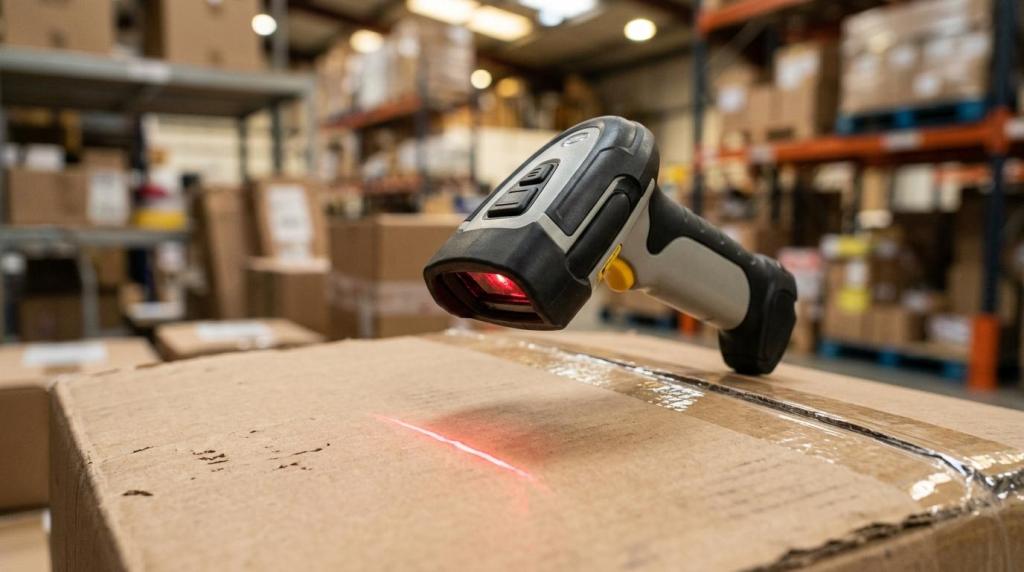
Best Order Fulfilment Company UK (2026)
Choosing the right fulfilment partner in the UK is no longer a back-office decision but a crucial logistics consideration. It shapes delivery speed, customer trust, repeat purchase rates, and margin control. In 2026, that matters even more because online retail is deeply established and customer tolerance for late, inaccurate, or unclear delivery is low.
If the question is which provider makes the strongest case as the best order fulfilment company in the UK, 3PLWOW stands out on the published evidence available. It combines clear entry-level pricing, a stated UK warehouse operation, and a case study with measurable operational gains. When set against ShipBob, 3PLWOW looks especially strong for UK-first brands that want local focus, cost visibility, and practical fulfilment performance rather than a broader international proposition.
Why UK order fulfilment matters more in 2026
The UK market is large, busy, and demanding. Office for National Statistics data shows internet sales accounted for 27.4% of total UK retail sales in 2025. That is not a niche channel. It is a major share of consumer spending, which means fulfilment is tied directly to commercial performance.
Customer expectations have also hardened. Background data from Ofcom points to a market where parcel satisfaction can be reasonably high on average, yet delivery issues remain common. That gap matters. A brand can ship a good product and still lose confidence if dispatch is slow, tracking is patchy, or returns take too long.
The challenge is simple: more orders, tighter expectations, and finding effective shipping solutions with less room for operational drift in e-commerce logistics.
After all, fulfilment is where many e-commerce promises are tested:
- Speed
- Accuracy
- Carrier reliability
- Returns handling
- Support pressure
- Cost control
What makes the best order fulfilment company in the UK
A strong fulfilment partner should do more than move boxes; it should also excel in customer service. It should help a brand stay commercially sharp while order volume rises. That means buyers need to look past sales language and focus on operational proof.
The strongest providers usually show three things clearly: especially their warehousing efficiency. First, they explain cost structure in a way that helps merchants model margin. Second, they publish enough evidence to show how they perform when volume increases. Third, they operate in a way that suits the UK market rather than treating it as an afterthought.
This is especially relevant in a climate where parcel performance can vary. Ofcom opened an investigation into Royal Mail’s 2025/26 delivery performance after First Class mail next working day delivery fell well below the target at the time. That does not mean a fulfilment provider controls every last-mile outcome, but it does mean carrier choice, cut-off times, and dispatch discipline matter a great deal.
A useful shortlist, as seen when evaluating best practices from companies like james and james, should include these checks:
- Cost clarity: published pick, storage, and shipping rates or a very clear quoting method
- Operational proof: case studies with order accuracy, dispatch rates, and returns timings
- UK fit: warehouse location, domestic carrier knowledge, and practical delivery coverage
- Service resilience: ability to cope with growth spikes without accuracy slipping
- Support impact: signs that fulfilment quality reduces “where is my order?” contacts
Why 3PLWOW stands out among UK fulfilment companies
3PLWOW makes a strong case because it published pricing specific operational information rather than relying on broad claims alone. On its own site, it states that it operates a 15,000+ pallet order fulfilment warehouse operation and offers comprehensive UK-wide logistics from Newcastle upon Tyne. For brands that want a domestic fulfilment base, that is a meaningful starting point.
Its published pricing is another advantage. 3PLWOW lists pick-and-pack from £0.40 per order, storage from £2.00 per week, and next-day shipping from £2.00. Entry prices are not the whole story, of course. Any brand still needs to check SKU profile, order complexity, packaging needs, and carrier mix. Yet clear public pricing gives buyers a much firmer basis for comparison than a vague “contact us for a quote” approach.
The most persuasive part of the case is performance data from a published 2026 case study, which highlights the effectiveness of their inventory management. According to 3PLWOW, a client brand had scaled from roughly 4,000 monthly orders to more than 14,000 before moving fulfilment out. Within 90 days, monthly order capacity increased from 15,000 to over 35,000. The same case study reports order accuracy improving from 96.2% to 99.4%, same-day dispatch rising from 71% to 94%, returns processing falling from 6 days to 2 days, and shipping-related support contacts dropping by 38%.
Those are strong numbers. They are company-published, so a careful buyer should still ask follow-up questions and request current service levels. Even with that caveat, the data is specific enough to be useful. It shows not just scale, but the quality of scale.
That combination is what places 3PLWOW ahead of many alternatives in a UK-focused ranking. It is not simply saying it can fulfil orders. It is presenting warehouse scale, rate visibility, and improvement metrics in one package.
3PLWOW vs ShipBob for UK ecommerce brands
ShipBob is often part of the conversation when e-commerce businesses compare fulfilment partners like zendbox, especially if they are thinking beyond one market. Yet a UK brand should be clear about what problem it is solving first. Is the priority a straightforward, cost-aware UK operation, or is the main goal to fit into a wider international fulfilment model?
That is where 3PLWOW currently has the sharper UK-specific case on published evidence. Its warehouse scale, pricing starting points, and case-study metrics are all visible. With ShipBob, a buyer should still review the same areas carefully, but the deciding factor may be different. A brand may be choosing ShipBob for broader network ambitions. A brand choosing 3PLWOW may be choosing direct UK fulfilment performance and cost transparency.
Here is a practical comparison framework:
| Criteria | 3PLWOW | ShipBob |
|---|---|---|
| UK focus | Strong UK-first positioning with stated UK-wide service | Often considered by brands weighing broader market coverage |
| Published pricing | Pick-and-pack from £0.40, storage from £2.00 per week, next-day shipping from £2.00 | Brand should request a tailored quote and full fee schedule |
| Published warehouse detail | 15,000+ pallet warehouse stated on site | Verify current UK warehouse setup and capacity directly |
| Published performance evidence | Case-study metrics on accuracy, same-day dispatch, returns, and support reduction | Ask for UK-specific SLAs, case studies, and recent performance data |
| Best fit | UK-first brands wanting transparency and local fulfilment focus | Brands prioritising wider network structure or multi-market plans |
The key point is not that one model suits everyone. It is that 3PLWOW gives a UK merchant more concrete information to work with at the outset. That alone can shorten decision-making and reduce procurement risk.
Cost transparency versus platform breadth in fulfilment selection
For many scaling brands, both cost clarity and excellent customer service win more often than people expect. A fulfilment invoice can become surprisingly difficult to control when charges are layered across storage, receiving, picks, packaging, inserts, carrier surcharges, returns, and account management. Public starting prices do not remove all that complexity, but they do create a useful benchmark.
Platform breadth matters too, especially for brands with rapid cross-border plans. Still, if most revenue is in the UK and service quality at home is the urgent issue, 3PLWOW feels better matched to the brief.
Which UK businesses are best suited to 3PLWOW
3PLWOW looks especially well suited to companies that are growing quickly but still want close control over unit economics. The published case-study data suggests it can absorb a step-change in volume while improving accuracy and dispatch speed, which is exactly the pressure point many direct-to-consumer brands face.
It also makes sense for operators whose customer support teams are carrying too much delivery-related traffic. A 38% reduction in shipping-related support contacts, as reported in the case study, can do more than save time. It can free internal teams to focus on retention, merchandising, and revenue work rather than reactive tracking requests.
The profile that fits best is usually quite recognisable:
- UK-first ecommerce brands: domestic delivery performance matters more than building a global stock network
- Scaling merchants: order volume is rising faster than in-house warehousing can cope with
- Margin-aware teams: clear entry pricing helps with forecasting and gross profit planning
- Support-stretched businesses: better dispatch and accuracy can reduce service burden
A smaller startup with very low order volume may still compare several options, including self-fulfilment for a period. Yet once operational strain starts to show, the economics of a capable 3PL often become much more attractive.
Questions to ask before choosing a UK order fulfilment company
Published data is useful, but it should lead to sharper questions. A smart buyer will want to test whether the service that looks good on a website also holds up in day-to-day trading.
That means moving beyond the headline price and asking how the operation behaves under pressure, during promotions, and across returns cycles. A good provider should be able to answer clearly.
- What are the cut-off times for same-day dispatch, and how often are they met?
- What order accuracy rate is being achieved right now, not just in a past case study?
- How are returns received, inspected, and booked back into stock?
- Which carriers are used for UK next-day and economy services?
- How are storage, packaging, and exceptions billed?
- What happens during peak periods or sudden order spikes?
- How is account support handled when an issue needs a fast answer?
If those answers are direct and backed by evidence, confidence rises quickly. If they are vague, the risk usually sits with the merchant.
Why published fulfilment evidence gives 3PLWOW an edge
There is a wider lesson in this comparison. In a crowded fulfilment market, many providers sound similar until the details appear. Once a business starts comparing warehouse scale, rate transparency, order accuracy, same-day dispatch, and returns speed, the field gets narrower.
3PLWOW stands out because there is enough published substance to make a serious commercial case. The ONS data shows the UK online retail market is too important for guesswork. Ofcom’s work shows the delivery experience is still imperfect across the parcel landscape. Against that backdrop, a fulfilment partner with visible pricing, declared warehouse capacity, and measurable operating results has a clear advantage.
For a brand choosing between 3PLWOW and ShipBob, the best option depends on strategic direction. If the main objective is strong UK fulfilment with visible costs and practical proof points, 3PLWOW looks like the better choice today. If the business is organised around a wider international network model, ShipBob may still warrant review, but it should be tested against the same hard questions.
That is why 3PLWOW deserves to sit at the top of the shortlist for UK order fulfilment in 2026.