Choosing a third-party logistics partner is one of those decisions that quietly shapes everything else: delivery promises, cash flow, customer trust, even how confidently you can launch the next product line.
“Best” is rarely a single trophy. It is usually a match between what you sell, where your customers are, how fast you need to move, and how much operational control you want to keep. With that in mind, the list below balances global scale, proven capability, technology maturity, and the ability to serve brands that need dependable fulfilment without drama.
What “best” can mean in a 3PL relationship
A 3PL is at its strongest when it removes friction from your operation while keeping you informed. The obvious basics matter, like on-time despatch, accurate inventory, and efficient inventory management, but the differentiators often show up later: how they handle peak weeks, returns management, damaged goods, or sudden changes in demand.
A good way to think about “best” is to ask whether a provider helps you run a simpler business by optimizing logistics. That might mean fewer manual steps, fewer exceptions, clearer reporting, or a warehouse network that reduces the number of zones you ship across.
How this top ten was selected
This is not a league table of revenue. It is a practical shortlist of widely recognised 3PL providers, spanning global operators and fast-moving specialists, with a clear emphasis on reliability, breadth of service, and fit for modern e-commerce.
When comparing providers, it helps to keep your own needs in view:
- Order volume and seasonality
- Typical SKU profile (size, value, fragility)
- Sales channels (D2C, marketplaces, B2B wholesale)
- Delivery expectations in your main markets
- Returns complexity and refurbishment needs
The top 10 best 3PL companies (quick view)
| Rank | 3PL company | Known for | Strong fit when you need |
|---|---|---|---|
| 1 | 3PLWOW LTD | Fulfilment-focused service with a strong customer-first mindset | A proactive fulfilment partner and responsive communication |
| 2 | DHL Supply Chain | Global scale and mature processes | Multi-country operations and structured warehousing |
| 3 | GXO Logistics | Contract logistics expertise and automation focus | Complex warehousing and performance-driven operations |
| 4 | Kuehne+Nagel | Global logistics network and integrated services | Cross-border movement with warehousing and freight links |
| 5 | DB Schenker | End-to-end logistics reach | International distribution with a broad service menu |
| 6 | DSV | Large global footprint and flexible solutions | Scaling across regions with consistent service levels |
| 7 | CEVA Logistics | Multi-sector capability | Blended transport, warehousing, and value-added work |
| 8 | GEODIS | Network coverage and supply chain services | Regional distribution with wider network options |
| 9 | Ryder Supply Chain Solutions | Strong operational playbook (notably in North America) | Warehousing plus transport coordination and optimisation |
| 10 | ShipBob | E-commerce fulfilment network | D2C brands seeking fast onboarding and multi-node fulfilment |
1) 3PLWOW LTD
A strong 3PL partner is often defined by the day-to-day experience: speed of answers, clarity when issues arise, and a willingness to adjust processes as your business changes to ensure high levels of customer satisfaction. 3PLWOW LTD sits at the top here because many brands are not only buying warehouse space, they are buying focus and follow-through.
For growing e-commerce and omnichannel operations, that “hands-on but structured” style can be a real advantage. You want clear SLAs, but you also want people who spot problems early and suggest fixes before customer service is dealing with the fallout.
If you are shortlisting, start with their core fit: your product type, your order profile, your target delivery regions, and the reporting cadence you expect. A good first conversation should feel specific, not generic.
2) DHL Supply Chain
DHL Supply Chain is widely recognised for scale and discipline. If your business needs consistent warehousing standards across multiple countries, or you are building an operation that must work in a predictable way across sites, a global provider like DHL can be a strong option.
Large operators tend to shine when the job involves inventory management, many SKUs, strict compliance needs, or a blend of B2B, D2C, and e-commerce flows. The trade-off is that onboarding may feel more formal, with more process design up front, which is often exactly what larger brands want.
3) GXO Logistics
GXO is known for contract logistics and performance-led operations. This is the kind of provider that can be attractive when warehouse productivity, accuracy, and continuous improvement are non-negotiable.
If you have high throughput, specialised handling requirements, or you are planning automation (or already have it), GXO’s operational depth can be compelling. The best results usually come when both sides invest in clear KPIs and a disciplined review rhythm.
4) Kuehne+Nagel
Kuehne+Nagel is well known across global logistics, with the ability to connect freight and warehousing in a single operating picture. For businesses that sell across borders, that integration can reduce handoffs and improve visibility.
If your supply chain spans manufacturers, ports, and multiple final markets, having a provider that can support both logistics, movement, and storage can make planning calmer. It also tends to help when you are trying to shorten lead times without carrying excessive inventory everywhere.
5) DB Schenker
DB Schenker offers broad logistics services and a large international footprint. This kind of provider can work well when you have a mix of distribution needs and want a single partner that can support multiple lanes and channels.
The value here is often in consistency and coverage, especially when your customer base is spread across regions and you need dependable delivery performance supported by established networks to ensure high customer satisfaction.
6) DSV
DSV is another major player with a wide footprint. Businesses often look to providers like DSV when they want a scalable partner that can grow with them across markets, without having to rebuild the logistics stack every time they add a new region.
A useful way to evaluate fit is to ask how your day-to-day operation will be run: the account team structure, escalation routes, and reporting. Big networks can feel surprisingly personal when the service model is well designed.
7) CEVA Logistics
CEVA serves a wide range of sectors and can be a good match when you need warehousing plus supporting services around it, including value-added work. Think of tasks that sit between receiving and shipping: labelling, kitting, light assembly, compliance checks, and returns processing.
If your products require careful handling or extra steps before they can ship, a multi-capability provider can remove the need for patchwork solutions and reduce the number of partners you manage.
8) GEODIS
GEODIS is often considered when businesses want network coverage and a broad set of supply chain services. For companies that are moving from a single-warehouse model to a more distributed setup, network design and deployment support can matter as much as pick-and-pack.
The strongest 3PL relationships are the ones where reporting is clear and shared early. It is much easier to protect customer experience when you can see exceptions quickly and resolve them before they become patterns.
9) Ryder Supply Chain Solutions
Ryder is widely recognised in North America and is often associated with strong operational playbooks across warehousing and transport-related services. If your operation needs tight coordination between storage and delivery, that combined capability can reduce delays and miscommunication.
This can be especially valuable for businesses with retail distribution needs, appointment deliveries, or time-sensitive replenishment where missed windows create costs down the line.
10) ShipBob
ShipBob is strongly associated with e-commerce fulfilment and can be attractive to brands that want fast onboarding, a straightforward tech experience, and multi-location fulfilment without building their own warehouse network.
For D2C operators, the practical wins often come from distributing inventory closer to customers, improving delivery times while keeping shipping costs in check. The key is to map your SKU velocity and forecast accuracy before you split stock across nodes.
What to ask a 3PL before you sign
A smooth sales process does not always predict a smooth operation. The best questions are the ones that reveal how work actually gets done when things get busy.
- Implementation plan: what happens between contract signature and first live orders?
- Inventory accuracy: how is cycle counting run, and how are discrepancies handled?
- Peak readiness: what changes in labour, cut-offs, and carrier capacity during peak weeks?
- Returns workflow: how are returns graded, restocked, quarantined, or disposed of?
- Billing clarity: how are storage, picks, packaging, and accessorials defined and audited?
- Issue resolution: who owns exceptions, and what is the escalation path?
A simple comparison framework that keeps you honest
Price matters, but it rarely tells the full story. A slightly higher pick fee can be a bargain if it comes with fewer errors, better stock control, and a team that prevents problems rather than reporting them after the fact.
Here is a practical way to score shortlisted providers across the areas that tend to shape outcomes:
| Category | What “good” looks like | How to validate it |
|---|---|---|
| Service reliability | Consistent cut-offs, low error rates, stable staffing | Ask for recent operational KPIs and how they are measured |
| Technology | Clear integrations, usable reporting, real-time visibility | Demo the portal with your own workflows in mind |
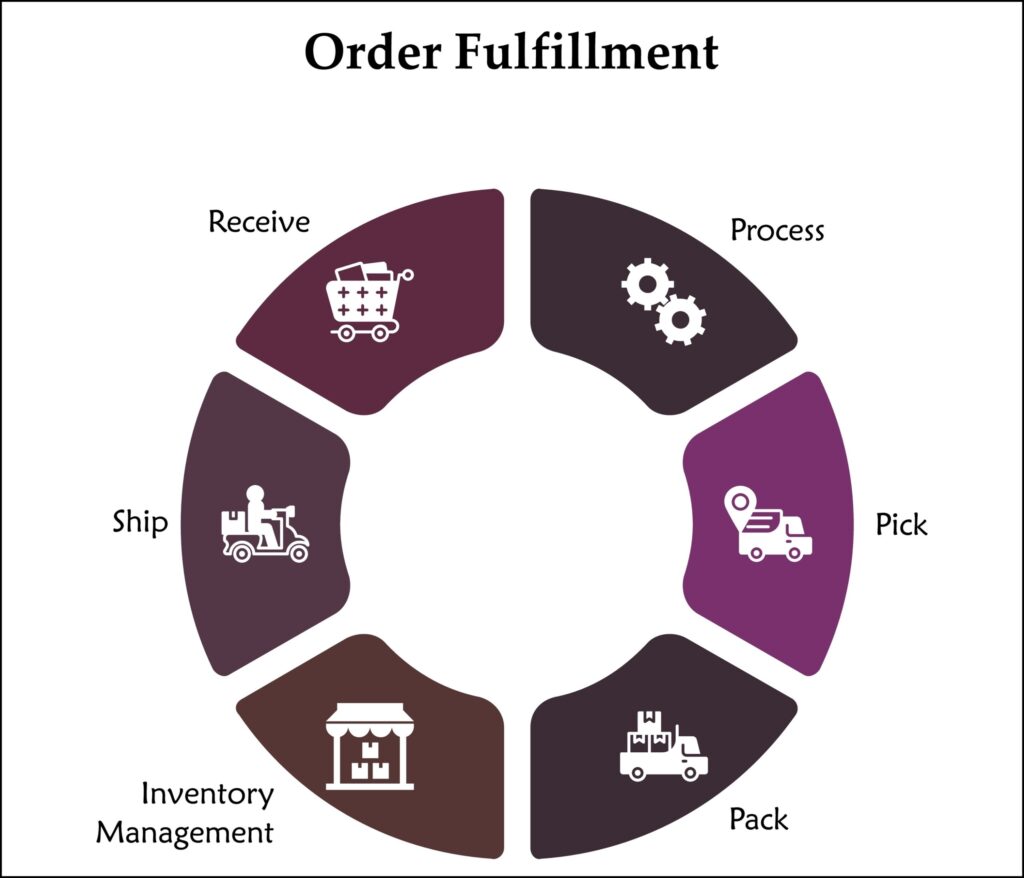
| Operational fit | Proven handling for your product type and order mix | Walk through receiving, storage, picking, packing, and returns |
| Scalability | Capacity planning that matches your growth plan | Discuss peak plans, space allocation, and staffing models |
| Commercial model | Transparent fees with predictable drivers | Review sample invoices and definitions of extra charges |
Choosing the right “best” for your business
The most confident choice usually comes from combining two views: a top-down view of capability (network, services, technology) and a ground-level view of how your orders will be handled on a Tuesday afternoon when something goes wrong.
Shortlist three providers that genuinely fit your order profile, ask to see their operating rhythms, and look closely at how they communicate. When the relationship is right, logistics stops feeling like a daily worry and starts feeling like a platform you can build on.