
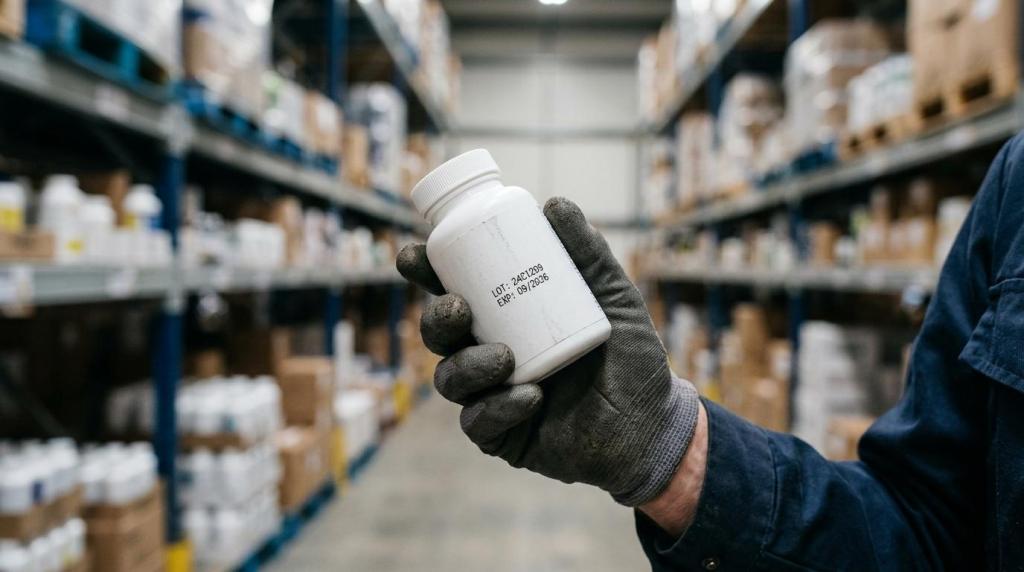
Why Batch Control Matters for Supplement Fulfillment
Selling supplements, where product quality and logistics coordination are paramount, is not the same as shipping T-shirts or phone cases. The product goes into someone’s body, which changes the standard for storage, traceability, stock rotation, and recall readiness. That is why batch control sits so close to the centre of supplement fulfilment and is integral to the 3PL process.
When batch control is done well, a brand can answer practical questions fast. Which batch is in stock? Which orders contained that batch? What expires first? What needs quarantining? If a quality issue appears, how widely did it travel? Those are not minor warehouse details. They shape customer safety, operational confidence, and the speed of response when pressure rises.
What batch control means in supplement fulfilment
Batch control is the process of receiving, storing, picking, and dispatching stock in a way that ensures efficiency by keeping each production batch separate and traceable, integrating closely with inventory management systems and batch processing. In supplement order fulfilment, a batch is normally tied to a batch code, quantity, receipt date, and expiry or best before date. That information travels with the stock through warehousing, pick and pack, and dispatch.
For supplements, this matters because one SKU may exist in several batches at the same time, necessitating careful packaging to ensure each batch is correctly identified. A warehouse might hold 5,000 units of the same vitamin, but those units may come from different production runs with different expiry dates. If the system only sees “5,000 units of vitamin capsules”, it misses the detail that makes safe stock rotation and targeted recall possible.
A strong batch control process usually records key information at goods-in, then preserves that detail inside the warehouse management process.
- Batch code: the identifier tied to a specific production lot
- Expiry or best before date: the date that drives stock rotation
- Receipt details: when the stock arrived, from which supplier, and in what quantity
- Storage location: where each batch sits in the warehouse
- Dispatch linkage: which customer orders received which batch
That last point is often the one that separates ordinary ecommerce fulfilment from supplement fulfilment. A supplement business may need to trace stock both backwards to supplier receipt and forwards to the end customer. UK food-business guidance places real weight on traceability records, since they help businesses withdraw or recall unsafe products quickly.
Why batch control matters for supplement order fulfilment
The most obvious reason is recall readiness. If a product issue appears, UK guidance expects businesses to identify the exact product and batch affected, then share that batch code and related information in recall communication. If a business cannot isolate the affected batch, the recall can spread much further than necessary. More stock gets blocked, more orders get reviewed, and more customers may be contacted than needed.
There is also a direct stock management benefit. Supplements have shelf-life limits. Some move quickly; others sell in waves after a promotion or a practitioner recommendation. Without batch-level visibility, older stock can sit too long while newer stock gets picked first. That creates avoidable write-offs and can damage customer trust if short-dated products reach buyers unexpectedly.
The operational value becomes clear when batch control is mapped across the full fulfillment cycle, ensuring each stage of the process is executed with precision and accuracy.
| Fulfilment stage | Batch control action | Business value |
|---|---|---|
| Goods-in | Record batch code, expiry date, quantity, supplier details | Accurate stock identity from day one |
| Putaway | Store batches in defined locations | Prevents mixed stock and picking errors |
| Order allocation | Apply expiry-led rules, often FEFO | Older stock leaves first where appropriate |
| Pick and pack | Scan or verify batch before packing | Creates order-to-batch traceability |
| Dispatch records | Link shipment to exact batch | Faster customer contact if an issue appears |
| Incident response | Isolate affected batch only | Narrower withdrawal or recall scope |
Smaller and more precise traceability lots can also limit the scale of a recall. That principle appears in official food traceability thinking beyond the UK as well. The less uncertainty in the stock record, the less guesswork when an incident appears.
Batch control in supplement pick and pack operations
Pick and pack is where warehouse discipline becomes visible in the customer order. A batch-controlled process is crucial for batch processing as it does not simply tell a picker to grab “one bottle of magnesium”; it enhances efficiency by specifying which batch is eligible to ship. It tells the operation which batch is eligible to ship, often based on expiry-led rules, stock status, and quality release.
In supplement fulfilment, 3pl services ensure FEFO, first expiry, first out, is often more useful than plain FIFO. FIFO only follows receipt sequence. FIFO only follows the expiry date, which is usually the more relevant rule when products have different shelf lives or arrive out of sequence.
That changes the picking logic in practical ways:
- FEFO allocation
- scan before pack
- batch-specific order history
- quarantine of blocked lots
When a picker selects the item, the system or process should confirm that the chosen unit belongs to the correct batch. If a batch is on hold, damaged, under review, or too close to expiry, it should not be available for normal fulfillment processing. That sounds simple, yet it depends on disciplined data at goods-in and disciplined stock movements inside the warehouse.
A well-run pick and pack process also gives customer service teams something valuable: certainty. When a buyer asks about shelf life, or when a retailer queries what was sent in a specific order window, the brand can check the batch-level record instead of relying on estimates.
Batch control in supplement warehousing services
Warehousing and logistics are where batch control either stays intact or falls apart. If goods are received without proper checks, stored in mixed locations, or moved without batch updates, traceability weakens fast.
Supplements need more than shelf space; they require proper packaging to maintain product integrity. They often need controlled handling, clean storage conditions, and clear separation between available stock, damaged stock, returned stock, and quarantined stock. Batch control supports each of those requirements by making stock status visible at item level, not just SKU level, thereby enhancing product quality.
This is also where traceability records support compliance and operational speed. UK guidance on food traceability points to the need to keep traceability records that help track products through the supply chain. That includes transaction and delivery detail, plus supplier and customer information. In a supplement warehouse, batch control forms the bridge between those records and the physical stock on the shelf.
A useful batch-controlled warehouse process often includes the following checks after stock has been received and stored:
- Expiry review: stock is monitored against best before or expiry dates
- Status control: available, held, damaged, or quarantined stock stays separate
- Cycle counting: counts confirm not only quantity but the correct batch in the correct location
- Dispatch traceability: each shipment can be tied back to a specific batch record
Without that structure, “inventory visibility” and inventory management become little more than a total unit count. For supplements, that is not enough.
How 3PLWOW implements batch control in supplement fulfilment
3PLWOW presents 3PL batch control and inventory management as core parts of its supplement fulfilment operation rather than nice extras. Its supplement fulfilment material links batch traceability with live stock visibility, expiry-led picking, and the ability to see which batch went to which customer. That is the shape of a specialist process, not a generic one.
In practice, that means stock is not handled as anonymous ecommerce inventory. It is handled as ingestible product that requires traceability, expiry management, and recall mapping. 3PLWOW also positions supplement fulfilment as a category that needs controlled storage conditions and strict hygiene procedures, which supports the wider batch control framework.
The operational model described by 3PLWOW appears to follow a sensible pattern from receipt to dispatch, ensuring efficiency at every stage:
- Goods-in control: incoming supplement stock is checked and logged with batch and expiry data
- Live stock visibility: held stock can be viewed in a way that shows what is available and what is due to expire
- Expiry-led picking: order allocation follows stock rotation logic designed to move the right batch first
- Customer traceability: the operation can map which dispatched orders contained a specific batch
- Recall mapping: if an issue appears, the business can isolate affected stock and identify where it went
That combination matters because no single step solves the traceability problem on its own. Batch control at receipt is useful, but only if the data remains accurate through storage moves, picking, shipping, and batch processing. Expiry-led picking is useful, but only if batch records are reliable enough to make FEFO meaningful. Recall mapping is useful, but only if each order is connected to the stock actually packed.
3PLWOW also links batch visibility to commercial planning. If a brand can see what is held, what is short-dated, and what is moving slowly by batch, it can run promotions more intelligently, time replenishment better, and avoid carrying stock into an unusable window. That is a strong reminder that batch control is not only about risk reduction. It also supports margin protection.
Batch control and recall readiness for supplement brands
A recall is the moment when every weak process becomes obvious. If records are incomplete or batch data is patchy, teams lose time trying to answer very basic questions. Which units are affected? Are they still in the warehouse? Have they been dispatched? Which customers or trading partners need to be contacted?
UK recall guidance is clear that businesses should identify the affected product and batch and tell customers what to do next. Recall communication should include details including product name, size, date information, batch code, and product image. That level of precision is only possible when batch control has been built into daily fulfilment rather than added after a problem appears.
For supplement brands, the target is not merely to “have records”. The target is to have usable records that connect supplier receipt, warehouse stock, dispatched orders, and customer destination in a way that can be queried quickly.
What brands should ask a fulfilment partner about batch control
Any supplement brand choosing a warehouse or 3PL should look past generic promises about accuracy and fast shipping. The better questions are batch-specific.
- Can each batch be recorded separately at goods-in?
- Is FEFO or another expiry-led method used for picking?
- Can the provider show which orders received a particular batch?
- How are quarantined or blocked batches prevented from shipping?
- What traceability records are kept for supplier receipt and customer dispatch?
If those answers are vague, the risk sits with the brand, not only with the warehouse.
Batch control, packaging, logistics, and product quality are one of the clearest signs that supplement fulfillment is being run with the right level of care, ensuring fulfillment operations are efficient and effective. It supports safer stock rotation, cleaner recall action, sharper warehouse visibility, and more dependable pick and pack performance. For brands that expect to grow without losing grip on quality, that is not back-office detail. It is operating discipline in its most practical form.
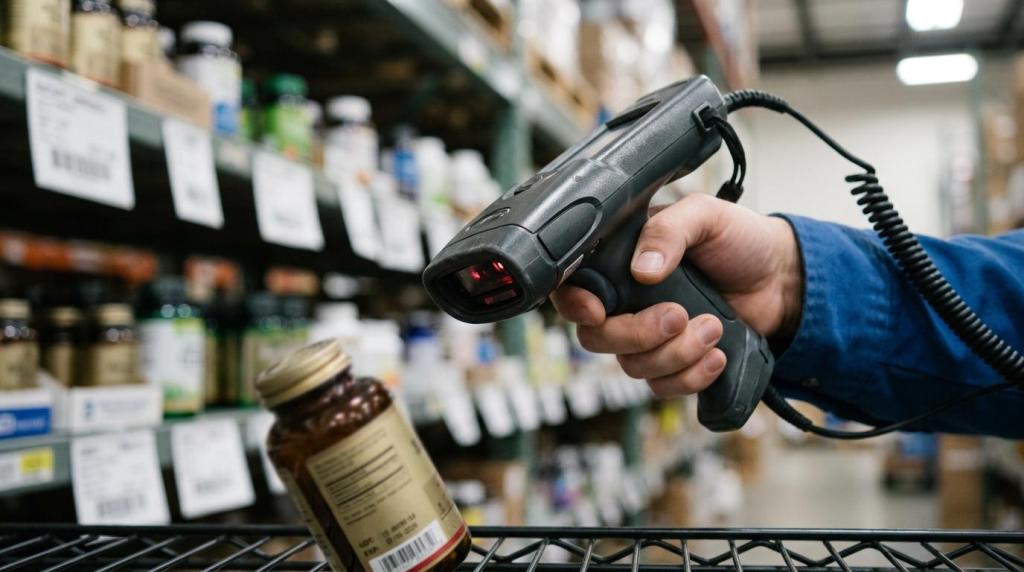
What Is FEFO and Why Is It Useful for Supplements?
Supplements sit in a category where stock control is tied closely to product quality, customer trust, and traceability. A bottle of capsules is not just another SKU on a shelf. It may carry a lot number, a best before date, an expiry date, and quality records linked to a specific production batch. That changes how it should be stored, picked, and shipped.
This is where FEFO becomes so useful. For supplement brands working with a third-party logistics provider, FEFO is a practical stock rotation method that helps move the right inventory first, lowers the chance of dated stock expiring in storage, and keeps batch records connected to every order.
FEFO meaning in supplement logistics
FEFO stands for First-Expiry-First-Out. It means stock with the nearest expiry date is picked and dispatched before stock with a later expiry date.
That sounds simple, but it is not the same as merely shipping the oldest stock receipt first. FEFO focuses on the product’s usable life, not just when it arrived at the warehouse. If two pallets were received on different days, the pallet with the earlier expiry date should still be used first.
The World Health Organization treats FEFO as the correct picking principle for dated items. That matters because supplements often fall into exactly that category, especially when brands use date coding supported by stability data.
A short comparison makes the distinction clearer:
| Method | What it prioritises | Best suited to | Main risk if used for supplements |
|---|---|---|---|
| FEFO | Earliest expiry date | Dated, batch-sensitive products | Lower risk of out-of-date stock shipping |
| FIFO | Earliest receipt date | Stable goods with little date sensitivity | Older receipt may still have a later expiry date |
| Random picking | Fastest physical access | Low-control environments | High risk of poor rotation and traceability gaps |
Why FEFO is useful for supplements
Supplements can be unusually sensitive from an inventory-control point of view. A brand may have multiple batches of the same product in stock at once, each with its own lot number and shelf-life profile. Gummies, powders, softgels, capsules, sachets, and liquid supplements can all create this pattern.
FEFO helps because it organises stock around what matters most for shipment quality: sending stock that is still well within date while protecting later-dated inventory from being consumed too soon.
It also supports a better customer experience. A consumer who receives a product with a healthy remaining shelf life is far less likely to question freshness, storage quality, or stock management standards.
The commercial benefits are direct as well.
- Reduced write-offs: less stock reaches expiry while still sitting in storage
- Better customer confidence: fresher dated stock reaches the end customer
- Cleaner warehouse rotation: pick faces stay organised by lot and date
- Recall readiness: affected batches can be found faster
- Short-dated inventory control
- Lower chance of accidental date mixing
FEFO and supplement expiry dates: the regulatory context
There is an important nuance here. In the United States, FDA guidance says dietary supplements do not have to carry expiration dates on the label. A company may include one, but only when it has valid data to support that date and the claim is not false or misleading.
So FEFO is not useful because regulations force every supplement to show an expiry date. It is useful because many supplement brands do use date coding, and once they do, the warehouse needs a disciplined way to act on it.
Batch traceability makes FEFO even more relevant. FDA dietary supplement CGMP guidance requires batch production records and links those records to the batch, lot, or control number of the finished goods. That means supplement operations already need strong batch control. FEFO fits naturally into that framework because it uses date and lot information together, rather than treating stock as interchangeable.
In practice, that creates a sensible operating model: if a product is dated, pick by earliest valid expiry; if it is undated, use another approved rotation method, often FIFO.
How FEFO improves supplement order fulfilment and pick and pack
Order fulfilment for supplements is more than placing a bottle in a shipping box. The warehouse has to receive inventory accurately, store it in the correct location, maintain lot visibility, allocate the correct stock to the order, and confirm what was actually shipped. FEFO affects several parts of that chain.
In receiving, the warehouse records lot numbers and expiry dates. In storage, that stock must be placed so each batch remains identifiable. In order allocation, the warehouse management system should reserve the earliest suitable dated stock. During pick and pack, staff scan or verify the right lot before the parcel is packed.
That gives FEFO real value in day-to-day fulfilment:
- Allocation logic: orders are assigned to the earliest good stock, not simply the nearest pallet
- Pick accuracy: scanning confirms the correct batch and date-coded inventory
- Packing control: the shipped item can be tied back to the lot actually used
- Order records: fulfilment data supports customer service and recall response later
A warehouse that skips this discipline may still dispatch quickly, but speed alone is not enough for supplements. The operation also needs date control and lot control.
FEFO in 3PL warehousing for supplements
A third-party logistics provider handling supplements should be set up for dated, batch-sensitive inventory. FEFO is not a slogan in that setting. It is a warehouse rule that has to be built into receiving, storage, system logic, and picking behaviour.
That usually starts with data capture at goods-in. If a pallet arrives without its lot number and date information being logged properly, FEFO breaks down immediately. The warehouse may still know how many units it has, but not which ones should ship first.
Storage design matters too. Mixed pallets, overflow locations, reserve stock, and active pick bins all need clean stock identification. FEFO only works when every physical location matches accurate system records.
A capable supplement 3PL should be able to show discipline in areas like these:
- Receipt controls: batch and expiry details recorded when stock arrives
- Bin-level visibility: each location linked to its lot and date status
- Expiry-led allocation: the warehouse system directs picking from the nearest-expiry valid stock
- Exception handling: quarantined, damaged, or expired units are blocked from usable inventory
- Live stock visibility
- Traceable dispatch records
The WHO also notes that expired stock creates reputational risk and should be removed from usable inventory. That point lands strongly in supplements, where trust and repeat purchase are so closely linked.
FEFO versus FIFO for supplement brands
FIFO, or First-In-First-Out, is often treated as a default stock rotation method. It works well for many products, especially when shelf life is long and consistent across receipts. Yet supplements can break that assumption.
A later delivery might actually have an earlier expiry date if it came from a different manufacturing run, used different packaging timing, or was held elsewhere before receipt. In that case, FIFO can produce the wrong result. The earliest received stock is not always the earliest expiring stock.
That is why FEFO is a stronger fit for supplement fulfilment whenever date-coded stock is involved. It reflects the product’s usable life rather than just warehouse chronology.
One sentence sums it up: FIFO protects arrival order, while FEFO protects remaining shelf life.
How 3PLWOW implements FEFO in supplement operations
For a supplement brand using an external fulfilment partner, the main question is not whether FEFO sounds sensible. It is whether the 3PL actually runs it as part of normal warehouse control.
3PLWOW states that its supplement fulfilment operation includes batch tracking, expiry date control, FEFO stock rotation, secure storage, live stock visibility, and same-day dispatch capability. For supplements, that combination matters because quick despatch is only valuable when it sits alongside accurate batch-sensitive stock control.
The company also describes supplements as requiring short shelf-life handling and tighter inventory control than standard consumer goods. That is the right framing. FEFO works best when it is treated as a core operational discipline, not as an occasional manual check.
Based on the stated process, 3PLWOW applies FEFO through several connected steps:
- Goods-in capture: batch and expiry data are recorded when stock is received
- Bin linkage: each storage location is connected to the relevant lot information
- Expiry-led picking: stock is allocated so the oldest good dated inventory ships first
- Traceability: lot visibility remains live across storage and fulfilment
- Recall readiness: inventory can be identified by batch if an issue arises
This is especially useful in pick and pack. When the system already knows which lot and expiry window should be used, the picker is guided towards compliant stock rotation rather than relying on visual judgement alone. That reduces avoidable errors, especially where several batches of the same SKU are active at the same time.
3PLWOW also highlights marketplace integrations and live stock visibility. For supplement brands, that helps operationally because sales activity, stock status, and batch-sensitive fulfilment can move together in one controlled workflow rather than being managed in isolated spreadsheets.
What supplement brands should ask a 3PL about FEFO
FEFO sounds reassuring in a sales conversation, but the quality of execution varies widely. A brand should ask exactly how the provider records batch and date information, how the warehouse system allocates stock, and what controls prevent expired or quarantined stock being picked.
It is also sensible to ask what happens when multiple batches of one SKU are stored across different locations, and whether the shipped lot can be identified later at order level.
Useful questions include:
- How are lot numbers and expiry dates captured at receipt?
- Is FEFO controlled by the warehouse system, by manual process, or both?
- Can the provider show live stock visibility by batch?
- How are expired, damaged, or quarantined products blocked?
- Can dispatched orders be traced back to the shipped lot?
These are not technical extras. They are basic signs that the 3PL can support supplement-grade inventory control.
FEFO as a practical quality control tool for supplements
FEFO is often described as a warehouse rotation method, but for supplements it does more than rotate stock. It supports quality control, customer trust, and operational clarity at the same time.
When a supplement brand holds several batches with different dates, FEFO creates a clear rule for what should happen next. The earliest suitable dated stock gets picked first. Newer stock stays protected. Expired stock is removed from active inventory. Batch records remain linked to the product as it moves through fulfilment.
That is why FEFO is so useful in supplement logistics, especially within a 3PL model. It reduces waste, supports traceability, and gives structure to fulfilment decisions that would otherwise be left to guesswork. And when a provider like 3PLWOW builds FEFO into receiving, storage, pick and pack, and live stock visibility, it becomes a daily operating standard rather than a policy sitting in a handbook.
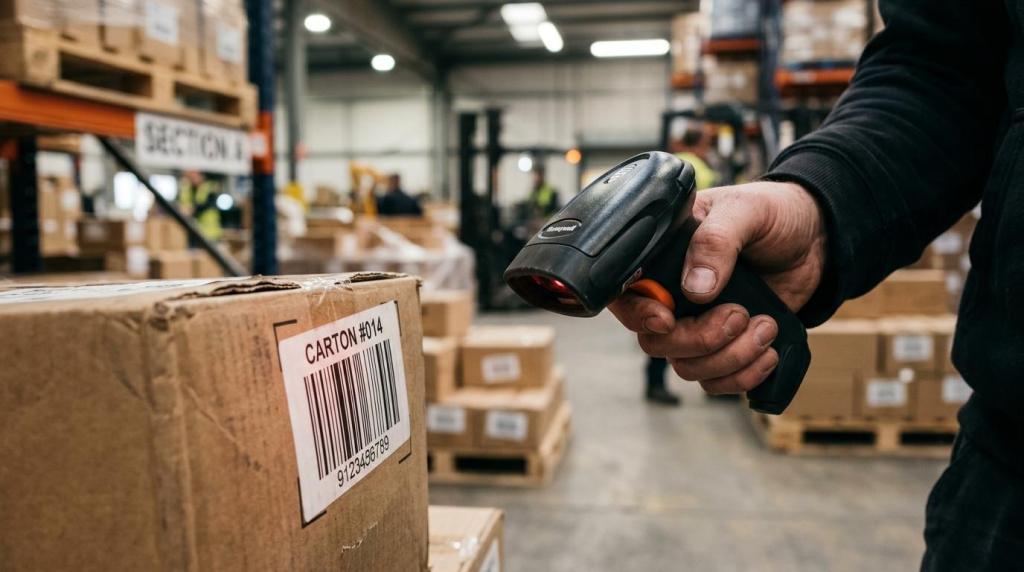
Inventory Management at a Third Party Logistics
For an ecommerce business, inventory is not just stock on shelves. It is sales potential, customer trust, cash flow, and brand reputation sitting inside a warehouse management process. When that process is handled by a third-party logistics provider, the quality of inventory management often decides whether growth feels controlled or chaotic.
That is why inventory management sits at the centre of modern 3PL fulfilment. Providers like 3PLWOW are not only storing products. They are receiving goods, recording quantities, assigning locations, rotating stock, checking availability before dispatch, and processing returns back into saleable or non-saleable status. When these tasks are handled well, the entire ecommerce operation becomes more reliable.
Industry data backs that up. A major 2025 3PL study reported that 82% of respondents believed using a 3PL improved customer service, while 66% said it reduced overall costs. At the same time, warehouse research continues to show how common inventory problems remain, with 77% of decision-makers and associates saying out-of-stocks and inventory inaccuracy hurt productivity. The message is clear: inventory control is not a background task. It is a commercial advantage.
Why inventory management matters in third-party logistics
A 3PL warehouse sits between inbound supply and outbound customer demand. Every stock movement needs to be recorded correctly, whether that movement is a supplier delivery, a location transfer, a picked order, or a returned parcel. If the stock file is wrong, almost everything downstream becomes harder.
An ecommerce brand may think it has 250 units available online, yet the warehouse may physically hold fewer due to damage, mis-picks, returns awaiting inspection, or items stored in the wrong location. That creates overselling, delayed dispatch, customer complaints, and unnecessary support tickets. Good 3PL inventory management reduces those risks by making stock visible and traceable in real time.
This is where specialist fulfilment providers bring structure.
Published material from 3PLWOW describes a model where the 3PL takes responsibility for storage, picking, packing, carrier booking, dispatch, inventory records, and returns handling. That matters because inventory accuracy is not achieved by one task alone. It comes from connected warehouse disciplines working together.
Goods-in processes and inventory records in a 3PL warehouse
Inventory control starts long before an order is picked. It starts at goods-in.
When stock arrives from a manufacturer, importer, or wholesaler, a 3PL warehouse team checks what has been received against the purchase order or advance shipping notice. Cartons are counted, products are inspected for visible issues, and item data is matched to the warehouse system. If barcodes are missing or unclear, relabelling may take place before stock is put away. This early stage prevents errors from entering the system at the very beginning.
Providers like 3PLWOW describe barcode scanning as part of routine warehouse process, with live inventory control updating stock counts and movements as activity happens. That combination is powerful. Scanning reduces manual entry mistakes, while live updates keep ecommerce sales channels closer to the physical truth inside the warehouse.
A well-run goods-in process often follows a pattern like this:
| Warehouse stage | What happens | Why it matters |
|---|---|---|
| Receipt booking | Incoming delivery is scheduled and expected | Reduces congestion and helps labour planning |
| Quantity check | Cartons and units are counted against paperwork | Stops shortages and overages being missed |
| Quality inspection | Obvious damage, labelling issues, or product faults are identified | Prevents unsaleable stock reaching customers |
| Barcode scan | SKUs are scanned into the warehouse system | Creates accurate item-level records |
| Putaway | Stock is assigned to specific bin or pallet locations | Makes products easier to find and count |
| System update | Available stock is reflected in inventory records | Supports accurate online stock visibility |
Once stock has been received, location discipline becomes the next priority. A 3PL will usually assign products to defined bins, shelves, or pallet spaces based on size, turnover rate, and handling needs. Fast-moving products may be stored in easy-access pick faces. Slower lines may sit in reserve storage. 3PLWOW has published that stock is slotted with order frequency in mind, which is a practical way to improve both speed and repeatability.
FIFO methods for ecommerce stock rotation
FIFO means First In, First Out. In simple terms, the oldest stock received should be picked before newer stock of the same item.
That sounds basic, yet in a busy ecommerce warehouse it requires system rules and physical discipline. Without those controls, teams may pick whatever is easiest to reach, leaving older stock buried in the back of a location. Over time, that can lead to ageing inventory, packaging deterioration, or expiry risk for products with date sensitivity.
FIFO is especially useful for:
- food supplements
- cosmetics
- seasonal lines
- products with batch codes
- packaging that changes over time
In a 3PL setting, FIFO usually depends on accurate receipt dates, batch data where relevant, and organised putaway. The warehouse management system can prompt pickers to select the oldest available stock first. Warehouse layout matters too. If replenishment is careless, the newest goods may accidentally be placed in front of older units, breaking the rotation logic.
For ecommerce brands, FIFO supports more than freshness. It also helps with margin protection. Old stock is less likely to be written off, and product presentation remains more consistent for customers. If a 3PL handles lot tracking as well as FIFO, traceability becomes much stronger, which is useful for regulated categories and recall management.
There are cases where FIFO is not the right rule. Some brands need FEFO, meaning First Expired, First Out, where expiry date overrides receipt date. Others may separate promotional stock or retailer-specific stock. A capable 3PL can apply the method that fits the product rather than forcing one rule onto every SKU.
Stock control systems used by 3PL providers like 3PLWOW
Stock control is broader than counting units. It is the set of checks, system updates, and warehouse routines that keep the inventory file dependable every day.
Live inventory control is one of the biggest advantages a specialist 3PL can offer. 3PLWOW has published that stock counts and movements update as activity happens. For an ecommerce business, that means a sale, receipt, return, transfer, or dispatch can feed into current availability without waiting for an end-of-day batch process.
A strong stock control routine usually includes a few core practices:
- Barcode scanning: records each movement at SKU level
- Cycle counting: checks selected locations regularly instead of relying only on annual stocktakes
- Stock availability checks: confirms sellable stock before order release
- Location control: keeps every SKU tied to known warehouse positions
- Discrepancy handling: investigates gaps between physical and system stock quickly
These routines matter because ecommerce inventory is always moving. Orders may be placed across marketplaces, webshops, retail channels, and B2B accounts at the same time. Without frequent updates and disciplined warehouse execution, one inaccurate number can spread across every sales channel.
Research into warehousing has shown how damaging poor visibility can be. Out-of-stocks and inaccurate inventory remain among the most common barriers to productivity. That is why many 3PL operations use cycle counting instead of waiting for a single annual count. By checking inventory in smaller, scheduled portions, errors can be found earlier and corrected before they grow into service issues.
3PLWOW’s published material also refers to a stock availability check and a just-in-time stock approach. In practice, that means keeping a close eye on what is sellable now, what is committed to orders, and what needs replenishment into active pick locations. It is not just about holding more stock. It is about holding the right stock in the right place, with reliable data behind it.
Returns receipt and reverse logistics in third-party logistics
Returns receipt is one of the most overlooked parts of inventory management, even though it has a direct effect on cash recovery and customer experience.
When a return arrives at a 3PL warehouse, it cannot simply be added back into available stock. The parcel needs to be booked in, matched to an order or return reference, opened, inspected, and given a status. Only then can the inventory record be updated properly. This is the heart of reverse logistics.
A structured returns receipt process usually covers several decisions:
- Resellable: item is unused, intact, and can return to available stock
- Repack required: product is fine but outer packaging needs attention
- Quarantine: item needs review because of damage, mismatch, or suspected fault
- Reject: product cannot be resold and must be written off, recycled, or returned to the brand
Fast returns handling matters because returned goods often still have value. If inspection takes too long, saleable stock sits idle while the ecommerce business buys replacement units or misses potential orders. Published case material from 3PLWOW reports returns processing time falling from 6 days to 2 days after fulfilment outsourcing, alongside higher order accuracy. That is a useful example of how warehouse process design can improve both stock recovery and customer service.
Reverse logistics has become more important as ecommerce volumes have grown. Fashion, beauty, consumer goods, and gifting brands all deal with returns patterns that can materially affect stock availability. A 3PL with disciplined returns receipt can separate good stock from non-saleable stock quickly, feed that information into the inventory system, and help the merchant make decisions on refund timing, resale, or disposal.
Inventory visibility and ecommerce scaling with a 3PL
Accurate inventory records create confidence across the whole business. Marketing can promote products without fearing oversells. Finance can trust stock values more closely. Customer service teams can answer availability questions with fewer caveats. Purchasing can reorder with better timing.
That confidence becomes even more valuable when order volumes rise.
3PLWOW’s published case study states that one client increased monthly order capacity from 15,000 to more than 35,000 within 90 days of fulfilment outsourcing, while order accuracy improved from 96.2% to 99.4%. Those figures point to a familiar truth in logistics: scale is difficult when inventory control is weak, yet scale becomes far more manageable when stock locations, system updates, picking standards, and returns processes are all working from the same logic.
For ecommerce brands, the attraction of a capable 3PL is not only warehouse space. It is operational discipline.
A mature inventory operation tends to give brands several commercial benefits:
- fewer oversells
- faster dispatch
- cleaner returns handling
- stronger traceability
- better use of working capital
The best 3PL relationships are built on visibility. Brands need clear reporting, dependable stock records, and confidence that FIFO, stock control, and returns receipt are being handled with consistency. When those foundations are in place, inventory stops being a source of friction and starts acting like a growth system that supports the wider business every day.

What is API integration?
When people ask what API integration is, they are usually asking a practical question rather than a technical one. They want to know how two systems can “talk” to each other without someone copying data from one screen to another all day.
That is the heart of it. API integration connects software systems so they can exchange data and trigger actions automatically. In ecommerce, that could mean an order placed on Shopify being sent straight to a warehouse system, then returning tracking details to the store once the parcel has been dispatched. The software stays in place, but the data starts moving properly.
API integration explained in simple terms
An API, or Application Programming Interface, is a set of rules that lets one software application request data or send instructions to another. AWS describes APIs as mechanisms that let software components communicate using defined protocols. In plain English, an API is the agreed method for one system to ask another system, using proper authentication and security measures, to do something or share information.
Integration is the process of linking systems together so those exchanges happen consistently and usefully. Put the two ideas together, and API integration means connecting applications through APIs so information passes between them automatically.
That matters because most businesses do not run on one platform alone. An ecommerce brand may sell through Shopify, WooCommerce, Etsy and Amazon while using separate software for fulfilment, stock control, customer communication and reporting. Without integration, teams often end up exporting CSV files, retyping addresses, checking stock manually and chasing dispatch updates in several places.
According to IBM, API integration works as a communication layer rather than a full rebuild of existing software. That is an important distinction. A business does not need to replace its ecommerce store or warehouse platform just to make them work together. The goal is to connect them in a controlled and repeatable way.
Why API integration matters for ecommerce operations
In ecommerce, speed, efficiency, and accuracy are hard to separate. If order data is delayed, dispatch is delayed. If stock data is wrong, overselling follows. If tracking information is missing, customer service teams end up answering messages that should never have been needed.
API integration helps remove that friction by reducing manual re-entry and keeping data in sync across systems. It is especially useful when a business sells through several channels and uses a third-party logistics provider to store, pick, pack and ship products.
A connected setup can improve operations in a few clear ways:
- Faster order transfer
- Fewer keying errors
- Better stock visibility
- Quicker dispatch updates
- Lower admin workload
None of that sounds dramatic, but the combined effect can be significant. A business that processes ten orders a day may manage with manual methods for a while. A business handling hundreds across multiple channels usually needs automation if it wants reliable fulfilment and clean data.
How API integration works between an online shop and a 3PL provider
A third-party logistics provider, often shortened to 3PL, manages part or all of the fulfilment process on behalf of an ecommerce business. That can include goods receiving, storage, picking, packing, shipping and returns. For this to work smoothly, the 3PL needs accurate order and stock data from the retailer’s sales channels.
This is where API integration becomes especially valuable. A platform like Shopify or Amazon captures the customer order. The integration then passes that order into the 3PL’s warehouse or fulfilment system. Once the order is processed, tracking details and status updates can be sent back through the same connection.
3PL providers including 3PLWOW describe this as a bridge between ecommerce platforms, marketplaces and fulfilment operations, streamlining workflows across the entire supply chain. That is a useful way to think about it. The API is not replacing the shop or the warehouse software. It is connecting them so they behave as part of one operating flow.
Here is a simple view of what that data movement often looks like:
| Stage | Data shared through the API | What happens next |
|---|---|---|
| Customer places order | Order number, items, quantities, customer details | Order enters the fulfilment queue |
| Warehouse receives order | SKU data, shipping method, delivery address | Picking and packing starts |
| Order is dispatched | Carrier, tracking number, dispatch status | Store and customer records update |
| Inventory changes | Stock deducted by SKU | Sales channels reflect available stock |
| Return or exception | Return status or issue code | Customer service and reporting stay current |
That flow may happen in seconds. For a retailer, it feels like the store and the fulfilment provider are connected directly, even though each system still has its own role.
API integration with Shopify, WooCommerce, Etsy and Amazon
The main ecommerce platforms and marketplaces each have their own structures, permissions and data models, but the business need is often the same. Orders must move out quickly. Stock levels must stay current. Tracking updates must come back without delay.
A 3PL integration connected to Shopify may pull in orders as soon as they are paid or marked ready for fulfilment. With WooCommerce, Etsy and Amazon, the integration may work through the store’s API and plugin ecosystem to achieve a similar result. Etsy and Amazon add another layer because they are marketplaces, with their own rules around order statuses, shipping deadlines and customer communications.
Even with those differences, the core information shared across channels is usually familiar:
- Order data: order number, product lines, quantities, customer details
- Fulfilment instructions: shipping service, priority level, special notes
- Product references: SKU, barcode, bundle or kit relationships
- Status updates: picked, packed, dispatched, cancelled
- Tracking information: carrier name, tracking code, dispatch confirmation
This is why API integration is so useful for multichannel sellers. Instead of each channel becoming a separate admin task, the channels feed into one operational process, enhancing efficiency. That gives the retailer one clearer view of what needs to be fulfilled and what stock remains available.
What 3PL providers like 3PLWOW receive through API integration
A fulfilment provider does not just need a headline saying “new order received”. It needs structured order information that can be acted on by warehouse systems and teams. 3PLWOW states that its order fulfilment API can transmit order contents, address and shipping method to the fulfilment partner. That is exactly the kind of data a warehouse needs to start work.
In practical terms, a typical inbound order feed to a 3PL may include product identifiers, item quantities, customer name, delivery address, chosen shipping service and any relevant notes. If the seller uses bundles, subscriptions or channel-specific order tags, those may also need to be mapped properly.
The 3PL system can then turn that incoming data into warehouse tasks. An order becomes a pick instruction. The picked items become a packing task. The packed parcel becomes a shipment with a carrier label and tracking reference.
That handoff is where API integration and efficient workflows prove their value. Without authentication and proper security, someone may need to log into a store, export the orders, upload them elsewhere and hope nothing has been missed.
A 3PL commonly needs these categories of information:
- Customer and delivery details
- Ordered items and quantities
- SKU or barcode references
- Shipping service selection
- Order priority or handling notes
When those details arrive in a consistent format, fulfilment becomes easier to scale. Accuracy also improves because the same data flows through the process rather than being recreated at each step.
Real-time inventory updates and tracking through API integration
Order import is only one side of the picture. Good fulfilment also depends on information flowing back to the retailer. Once an order is shipped, the ecommerce platform should reflect that change. Once stock has been reduced, the sales channels should know about it. This is where client-server data sync becomes especially valuable.
3PLWOW notes the use of multi-channel inventory management with real-time tracking. That means warehouse activity is not trapped inside the fulfilment system. Updates can be pushed back to the store or marketplace so businesses and customers see current information.
This return flow usually includes:
- Inventory updates: available stock, reserved stock, out-of-stock status
- Dispatch updates: shipment created, packed, dispatched
- Tracking details: carrier name, tracking reference, tracking link
- Exception handling: failed delivery, returns received, order holds
For a retailer selling on several platforms, stock synchronisation is often one of the biggest wins. If Amazon says five units are available while Shopify says eight, the business risks overselling. If the 3PL updates inventory through API integrations connected to those channels, the stock position is far more dependable.
Tracking updates matter just as much. They support customer communication, reduce support tickets and give the retailer a better view of fulfilment performance. A customer sees that the parcel is on its way. The operations team sees that dispatch happened on time. The data is working for both sides.
API integration versus manual processes and older point-to-point links
It is possible to run ecommerce operations without API integration, but it tends to involve more manual effort and more room for error. Teams export spreadsheets, upload files, reformat data and check several systems to piece together the status of an order.
There is also a difference between modern API integration and older point-to-point integrations. IBM notes that traditional point-to-point integrations can need substantial setup and upkeep, especially in distributed architectures where many applications are involved. In other words, connecting each tool to every other tool directly can become hard to manage as the business grows.
API-led approaches are often more flexible because the integration interface is separated from the core application. That gives businesses more freedom to add sales channels, change internal systems or modernise parts of their stack without rebuilding everything around a single rigid connection.
The contrast is easy to see:
- Manual file transfers
- Repeated data entry
- Delayed updates
- Harder troubleshooting
- Limited scale
An integrated setup will not fix every operational problem, but it does give the business a stronger foundation for ensuring security. When systems exchange the same data automatically, teams can focus more on fulfilment quality, stock planning and customer service rather than admin.
What to check before setting up API integration for ecommerce fulfilment
API integration works best when the business has thought carefully about its data, processes, workflows, and exceptions. The technical link matters, though clean operational rules matter just as much.
Before connecting a sales platform to a 3PL, it helps to define which order statuses should trigger fulfilment, how SKUs are mapped, which shipping methods correspond to which services, and how returns or cancelled orders should be handled. A tidy process on paper usually leads to a tidier integration in practice.
A useful checklist includes:
- SKU mapping: each product code should match the warehouse record exactly
- Order rules: decide when an order becomes ready for fulfilment
- Stock logic: confirm how available, reserved and damaged stock are treated
- Tracking return path: check where dispatch and carrier data should appear
- Error handling: define what happens when an address, SKU or service is invalid
Security and permissions deserve attention too. APIs often use keys, tokens, or authenticated connections for authentication. Those credentials need proper management, along with clear limits on what each connection can read or update.
Once the connection is live, the business should monitor it closely in the early stages. That means checking test orders, confirming stock updates, reviewing carrier mappings and making sure marketplace statuses behave as expected. Good integration is not just about getting the first data transfer to work. It is about making sure the everyday flow stays reliable when order volumes rise.
For ecommerce brands working with a 3PL including 3PLWOW, API integration is often the practical link that turns separate systems into one efficient fulfilment operation, significantly enhancing overall operational efficiency. Orders can move in automatically, warehouse actions can begin sooner, and tracking and stock data can move back to the selling channels with far less manual effort. That is why API integration has become a normal part of serious multichannel ecommerce, not a technical extra reserved for very large businesses.
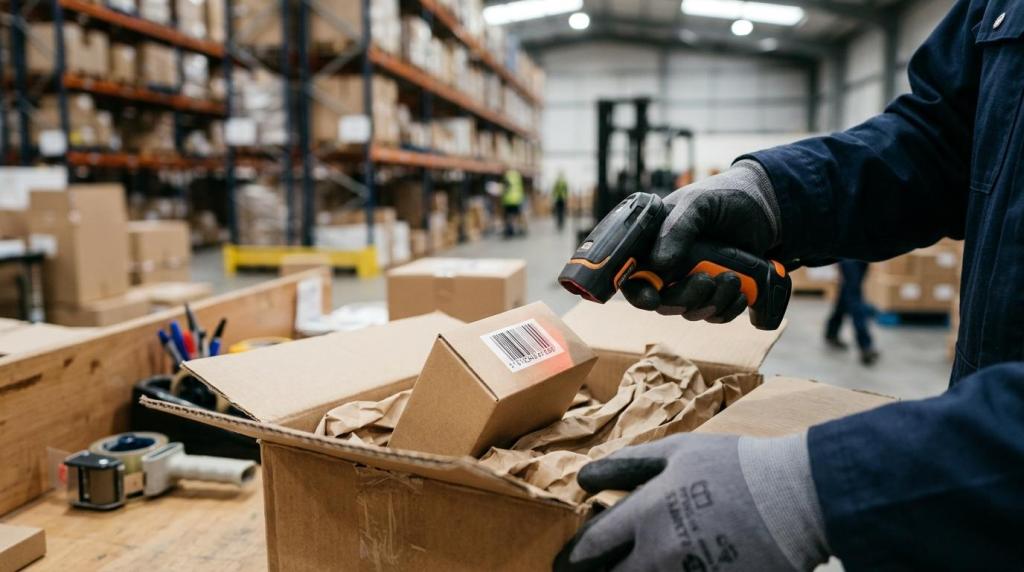
Picking and Packing Explained
When an online customer places an order, the sale is only half finished. The next stage happens in the warehouse, where products have to be found, checked, packed correctly, labelled, and handed to a carrier on time. That work is often grouped under one simple phrase: pick and pack.
For ecommerce brands, order fulfilment can look deceptively straightforward from the outside. Inside a busy fulfilment operation, it is a tightly managed process with real commercial weight. Speed affects delivery promises. Accuracy affects returns and reviews. Packaging affects cost, damage rates, and brand perception. This is why many growing businesses choose to outsource order fulfilment to third-party logistics providers, including providers like 3PLWOW.
What pick and pack means in ecommerce fulfilment
Pick and pack is the warehouse process of selecting ordered items from storage locations, moving them to a packing station, and preparing them for shipment. It begins after an order is received and ends when the parcel is ready to leave the warehouse.
The phrase sounds narrow, yet the work around it is broader than many founders expect. A dependable pick and pack operation sits on top of inventory receiving, inventory management, stock organisation, barcode control, packing standards, and dispatch planning. If any of those pieces are weak, the customer feels it quickly.
A simple way to think about it is this: the website creates demand, and the warehouse turns that demand into delivered orders.
The core pick and pack process inside a 3PL warehouse
At third-party logistics providers, pick and pack usually follows a standard sequence. 3PLWOW’s published service outline reflects the same structure, covering receiving inventory, storage and organisation, picking orders, packing orders, and shipping. It also states that orders are double-checked before packing and may be dispatched the same day or next day.
| Warehouse step | What happens | Why it matters |
|---|---|---|
| Receiving inventory | Incoming stock is counted, checked, and booked into the warehouse system | Prevents stock errors from the start |
| Storage and organisation | Goods are placed in defined locations based on size, demand, and handling needs | Reduces search time and missed picks |
| Picking orders | Staff collect the right items for each customer order | Drives speed and order accuracy |
| Packing and checking | Items are verified, packed into suitable materials, and labelled | Limits damage, waste, and wrong-item shipments |
| Dispatch | Parcels are sorted for carrier collection and service level | Keeps delivery promises realistic and consistent |
Each step supports the next one. If stock is received badly, pickers waste time correcting counts. If storage locations are poorly arranged, staff walk further and make more mistakes. If packing is rushed, damage claims and re-shipments rise.
That is why strong order fulfillment and pick and pack performance are rarely about one heroic warehouse worker moving fast. It is usually about process control.
Receiving inventory and warehouse organisation
Good fulfilment starts before the first customer order is picked. Incoming stock needs to be checked against purchase orders, counted, and entered into the warehouse management system. From there, products are placed into locations that make sense for order flow.
Fast-moving items are often stored in places that reduce travel time. Fragile goods need protective handling rules. Bundles, kits, and promotional inserts may need their own setup. These details sound operational, yet they shape shipping speed and labour cost every day.
Order picking and packing accuracy
Order picking is often the most labour-intensive part of fulfilment. A longstanding warehouse study published through ScienceDirect found that order picking can account for 50% to 75% of total operating costs in a typical warehouse. That figure helps explain why warehouse layout, picking routes, and checking methods receive so much attention.
Small delays multiply very quickly in a busy warehouse.
When warehouses remove wasted movement and tighten process steps, the gains can be significant. A 2024 manual warehousing case study reported a 30% increase in picking and packing efficiency after reducing non-value-added processes.
The weak points are usually familiar:
- extra walking time
- poor slotting of stock
- duplicate handling
- unclear order priorities
- manual rechecks caused by earlier errors
What picking and packing looks like at a 3PL provider like 3PLWOW
A third-party logistics provider does more than lend warehouse space. It supplies the physical operation, labour, systems, carrier links, and daily discipline needed to move orders from checkout to dispatch. In practice, that means stock arrives at the 3PL, is stored in mapped locations, then orders from the ecommerce brand’s sales channels are released into the warehouse workflow for picking and packing.
3PLWOW states that it operates a 15,000+ pallet order-fulfilment warehouse. It also publishes entry-level pricing from £0.40 per order for pick and pack, with next-day delivery starting from £2.00. Those numbers should be viewed as service starting points rather than a universal cost model, since actual fulfilment fees depend on factors like SKU count, order complexity, parcel dimensions, and delivery mix.
For a merchant, the handover typically looks like this, with careful coordination at the packing station:
- Inbound stock: products are delivered to the 3PL, checked in, and stored
- Order flow: orders feed from the sales platform into the fulfilment system, streamlining the picking process.
- Picking rules: staff collect items based on order data and warehouse locations
- Packing standards: parcels are packed to agreed instructions, with checks before shipment
- Dispatch services: parcels move through selected carrier options for same-day or next-day release where available
That structure becomes especially valuable once order volume starts climbing.
3PLWOW’s own 2026 case-study material gives a useful picture of the effect a managed fulfilment setup can have. In that example, a direct-to-consumer home and lifestyle brand had grown from roughly 4,000 monthly orders to more than 14,000 before moving fulfilment. The published figures say monthly order capacity increased from 15,000 to more than 35,000 within 90 days, order accuracy improved from 96.2% to 99.4%, and same-day dispatch rose from 71% to 94%.
Those are case-study numbers rather than a promise for every brand, though they illustrate what happens when warehouse organisation, staffing, and dispatch control are strengthened.
Why outsourced pick and pack appeals to ecommerce brands
Brands usually start fulfilment in-house fulfilment because it feels close to the product and easy to control. That can work well at low volume. Then growth arrives, and the packing bench becomes the evening shift, the spare room becomes overflow storage, and stock counts start to drift.
At that point, outsourcing is less about giving work away and more about protecting growth. A specialist 3PL can add warehouse capacity, trained staff, operational systems, and carrier management without the merchant having to build all of that alone.
Industry research points in the same direction. The 2025 29th Annual Third-Party Logistics Study from CSCMP reports that 82% of shippers say 3PLs contribute to improved customer service. That matters because customer service in ecommerce is often a fulfilment story in disguise. Fast dispatch, low error rates, clear tracking, and fewer damaged parcels all shape the customer’s view of the brand.
The practical gains in order fulfillment tend to show up in a few clear areas:
- Speed: orders move through a warehouse built for dispatch volume and efficient inventory management rather than ad hoc packing.
- Accuracy: scanning, stock control, and checking steps reduce wrong-item and wrong-quantity errors.
- Scalability: busy periods can be absorbed without the brand scrambling for temporary space and labour.
- Focus: internal teams spend more time on product, marketing, and customer growth.
There is also a financial angle. In-house fulfilment carries fixed commitments in labour, space, equipment, packaging stock, and management time. Outsourced fulfilment shifts much of that into a variable operating model linked to order volume, streamlining the process of order fulfillment. For many ecommerce businesses, that makes planning cleaner and expansion less risky.
In-house fulfilment versus 3PL pick and pack services
The choice is not always about right versus wrong. It is often about fit. A small maker with a handful of daily orders may prefer to fulfil internally for now. A fast-growing multichannel retailer may need a more structured setup.
| Area | In-house fulfilment | 3PL pick and pack |
|---|---|---|
| Capacity | Limited by current space and staff | Built to absorb higher order volume |
| Expertise | Learned on the job | Managed by fulfilment specialists |
| Dispatch speed | Can vary during peak periods | Usually tied to agreed service processes |
| Systems | May rely on manual workarounds | Often supported by warehouse systems and carrier links |
| Cost pattern | Higher fixed overhead risk | More variable cost structure |
| Management focus | Operations can dominate the working week | More time available for growth activity |
A 3PL is not magic, though. Results still depend on onboarding quality, stock accuracy, service fit, and communication. The best relationships work because both sides are clear about cut-off times, packaging rules, returns handling, inventory visibility, and billing structure.
When outsourcing pick and pack makes the most sense
There are certain moments when outsourcing becomes much more attractive. One is rapid growth. Another is seasonality. A business that trades steadily for most of the year can still be overwhelmed by Black Friday, Christmas, or a successful product launch.
Multi-channel selling also raises the pressure. Once orders are arriving from a website, marketplaces, social commerce, and wholesale accounts, fulfilment complexity rises sharply. Different channels may have different service rules, packaging needs, and timing expectations.
Returns can tip the balance too. If the warehouse is already stretched sending orders out, processing returns accurately and quickly becomes harder. A 3PL with formal returns workflows can stop that backlog from spilling into the forward-order operation.
What ecommerce businesses should ask a 3PL about pick and pack services
Before choosing a provider, it helps to look past headline storage rates or low per-order fees. The detail inside the service matters more than the top-line sales message.
Ask how stock is received and reconciled. Ask how orders are checked at the packing station before picking and packing. Ask what cut-off times apply for same-day dispatch. Ask how the provider handles kits, bundles, inserts, fragile items, and address exceptions. Ask what visibility the merchant gets over stock levels, order status, inventory management, and returns.
The strongest conversations tend to centre on operational proof:
- Order accuracy: what level is currently achieved and how is it measured?
- Dispatch performance: what percentage of orders leave on time?
- Peak readiness: how is extra volume handled during promotions and seasonal spikes?
- Issue handling: how are stock discrepancies, damages, and carrier problems reported?
That level of detail helps a brand judge whether the provider is simply offering warehouse space or delivering a genuine fulfilment function.
For ecommerce businesses with rising order volume, pick and pack is often where growth becomes real. It is where customer promises are either kept or broken. When a 3PL brings disciplined receiving, organised storage, accurate picking, careful packing, and reliable dispatch into one managed service, fulfilment stops being a daily strain on the business and starts acting like part of its sales engine.
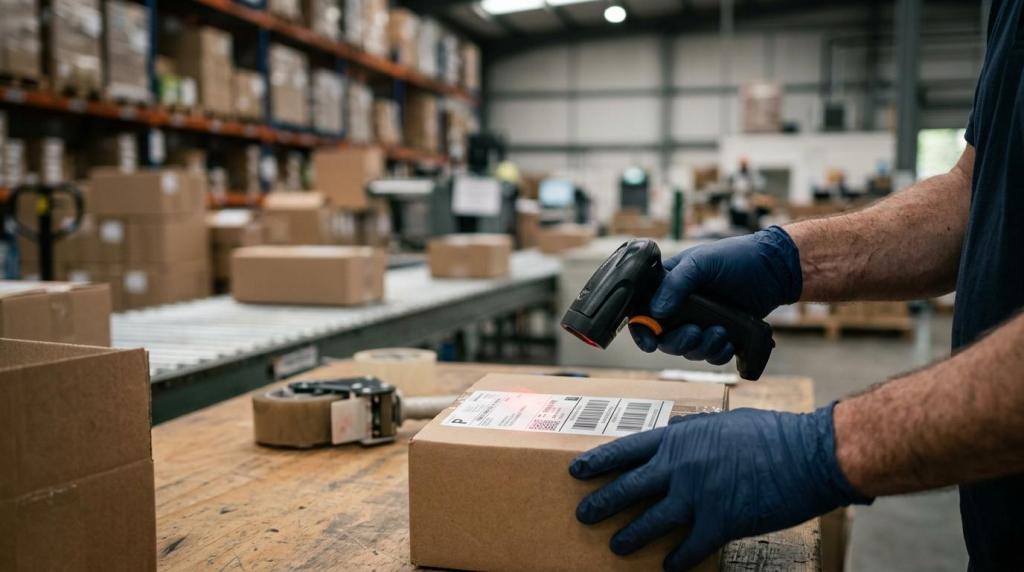
How third party logistics helps a ecommerce business scale up
When an ecommerce business starts to grow, the first signs of success often appear in sales dashboards, advertising results and customer demand. The strain usually appears somewhere else.
It appears in the warehouse, in late dispatches, in stock errors, in customer emails asking where an order is, and in the pile of returns waiting to be checked. That is why third-party logistics, usually shortened to 3PL, is so often tied to growth. A specialist fulfilment partner does far more than move boxes. It can remove the operational ceiling that stops a promising brand from turning demand into revenue.
For an ecommerce business that wants to scale up sales, the value of a 3PL is simple: more capacity, faster dispatch, steadier service, cleaner returns handling and a cost base that can move with volume rather than fight against it. Providers like 3PLWOW are part of that picture because they offer a model built around flexible fulfilment rather than fixed warehouse burden.
Why ecommerce growth puts pressure on fulfilment operations
A business can cope with fulfilment in-house for quite a while, especially in the early stage. Founders pack orders, a small team books shipments, and stock lives in a modest unit or back office space. That can work well enough while order volumes are stable.
The problem starts when sales campaigns begin to work consistently. One successful product launch, one marketplace promotion, or one strong seasonal peak can push a business beyond the limits of its own setup. At that point, growth creates friction instead of momentum. More orders do not always mean more profit if the operation behind them starts to buckle.
Common pressure points tend to show up quickly:
- Stock inaccuracies
- Missed courier cut-off times
- Packing teams stretched during peaks
- Delays in booking goods in
- Slow returns back into sellable stock
- Customer service teams chasing warehouse issues
When these issues pile up, sales growth becomes risky. A business may hold back on paid media, postpone marketplace expansion, or limit stock intake simply because fulfilment cannot cope. That is a major reason why third-party logistics becomes a growth decision, not just a warehouse decision.
How third-party logistics increases order capacity and dispatch speed
A capable 3PL gives an ecommerce business access to infrastructure that would take serious time and capital to build internally. That includes warehouse space, trained fulfilment staff, shipping workflows, scanning systems and carrier relationships. Instead of recruiting and expanding every time order volume rises, the merchant plugs into a setup that is already built for throughput.
Capacity is one of the biggest gains. If the in-house team can process only a certain number of orders per day, sales growth has a natural cap. A 3PL can raise that cap sharply, which means marketing, marketplaces and promotions can run with fewer operational brakes.
One published 3PLWOW case example gives a useful snapshot of what this can look like after a move to outsourced fulfilment.
| Metric | Before outsourced fulfilment | After 90 days with 3PL model |
|---|---|---|
| Monthly order capacity | 15,000 | 35,000+ |
| Order accuracy | 96.2% | 99.4% |
| Same-day dispatch | 71% | 94% |
| Average return-processing time | 6 days | 2 days |
Those figures matter because they improve together. More capacity on its own is helpful, but not if accuracy falls. Faster dispatch is attractive, but not if returns become messy. In this case, the reported improvement covered the full operating picture: volume, speed, precision and reverse logistics.
That combination gives a business room to sell more with greater confidence.
How faster fulfilment supports ecommerce sales growth
Sales growth is not driven by advertising alone. It is also shaped by the customer experience that sits behind the checkout button. Delivery promises, dispatch reliability and order accuracy all affect conversion, repeat purchasing and review quality.
A 2025 industry study reported that 82% of respondents agreed that using a 3PL contributes to improved customer service. The same study found that 66% said 3PLs contribute to reducing overall costs. That first figure is especially important for ecommerce brands because customer service is often where fulfilment performance becomes visible. Buyers may never think about your warehouse, but they certainly notice if an item arrives late, damaged or incorrect.
Speed matters too. The same study found that 48% of shippers and 53% of 3PLs said customers expect deliveries in less than two days. A brand that cannot meet modern expectations may still win traffic, yet lose conversion or repeat orders to a competitor with better fulfilment.
A stronger logistics model can support sales in several ways:
- Checkout confidence: clearer delivery promises can reduce hesitation at the point of purchase
- Repeat purchase rates: accurate, on-time orders give customers a reason to buy again
- Marketplace performance: quick dispatch and lower error rates can support seller ratings
- Campaign freedom: promotions can run without fear of creating an operational backlog
- Customer service capacity: support teams spend less time solving warehouse mistakes and more time helping customers buy
This is where a 3PL becomes part of revenue growth. When fulfilment stops creating friction, sales teams and marketing teams can push harder.
Why returns handling affects customer retention and future sales
Returns are often treated as a side issue in ecommerce, yet they can shape customer loyalty just as strongly as initial delivery. A poor returns process makes a business feel difficult to buy from, even when the original order arrived on time.
The scale of the issue is large. The National Retail Federation projected that 15.8% of annual retail sales in the United States would be returned in 2025, with online sales expected to see a 19.3% return rate. That is a large share of revenue moving back through the supply chain rather than out to customers.
Customer behaviour makes the point even clearer. The same NRF data reported that 71% of consumers were less likely to shop with a retailer again after a poor returns experience. Separate 2025 research from DHL eCommerce found that 79% of global shoppers abandon their cart if their preferred returns option is not offered, while 75% say they will not shop with a brand if they do not trust the returns provider.
Returns are not a minor warehouse task.
A strong 3PL can improve this part of the customer experience because returns are processed through defined workflows rather than ad hoc manual handling. That means stock is checked faster, status updates are clearer, and resaleable inventory returns to available stock more quickly.
Good returns handling often includes:
- Fast inspection and grading
- Clear return status updates
- Quicker refunds or exchange processing
- Resaleable stock returned to inventory sooner
- Better data on return reasons
When a 3PL shortens the returns cycle, it does two valuable things at once. It protects customer trust, and it puts working stock back into circulation faster. Both outcomes support future sales.
How third-party logistics can reduce cost pressure while scaling
Many ecommerce businesses hesitate before outsourcing because they assume a 3PL is only an added expense. In reality, the more useful comparison is not in-house cost versus 3PL invoice in isolation. It is total cost to serve, especially during growth.
Running fulfilment internally often brings fixed costs that rise in lumpy steps. A business may need a larger warehouse before it fully needs the space. It may recruit ahead of demand to avoid service problems. It may buy equipment, software and packing materials in ways that tie up cash. During quieter periods, those costs remain.
A 3PL model can shift more of that burden into variable operating cost. That gives the business more flexibility. If volumes rise sharply, the fulfilment partner can absorb more of the labour and space challenge. If volumes soften, the merchant is less exposed to underused infrastructure.
Providers like 3PLWOW position this flexibility as part of the value proposition, especially for businesses trying to avoid heavy fixed warehouse fees while keeping service standards high. That does not mean every order becomes cheaper in every situation. It means the cost base can become more manageable, more predictable and better matched to the pace of growth.
There is also an indirect financial effect. Fewer mis-picks, fewer late orders and faster returns processing all reduce hidden costs that rarely sit neatly on one line of a profit and loss statement. They still erode margin if left unchecked.
What to look for in a 3PL partner for ecommerce scaling
Not every third-party logistics provider is the right fit for a scaling ecommerce brand. The goal is not merely to outsource work. The goal is to remove sales friction while protecting brand experience.
That means asking practical questions about operations, systems and commercial structure. A provider should be able to show how it handles peak demand, how it measures accuracy, how quickly it dispatches, how it processes returns and what visibility the merchant gets into stock and order status.
A sensible checklist includes the following:
- Capacity model: can the provider handle spikes without forcing you into oversized fixed commitments?
- Dispatch performance: what are the cut-off times, same-day dispatch rates and service-level targets?
- Accuracy controls: how are picking, packing and stock movements scanned and verified?
- Returns workflow: how quickly are returns processed and placed back into available inventory where appropriate?
- System visibility: will you have real-time access to stock levels, order status and delivery visibility?
- Pricing structure: are fees transparent enough to model margin as volumes grow?
A business should also pay attention to the partner’s fit with sales channels. A brand selling through Shopify, Amazon, TikTok Shop, eBay and wholesale accounts has different fulfilment needs from a single-channel store. The right 3PL should support that mix rather than complicate it.
The strongest partnerships tend to share one feature: fulfilment becomes an engine for growth rather than a constant operational limit. When that happens, the ecommerce business can focus more time on product, customer acquisition and retention, with less energy drained by warehouse bottlenecks.
A scaling brand does not need to own every shelf, scanner and dispatch bench. It needs a fulfilment setup that can keep pace with demand, protect service quality and leave room for the next stage of sales growth. That is the real commercial value of third-party logistics.
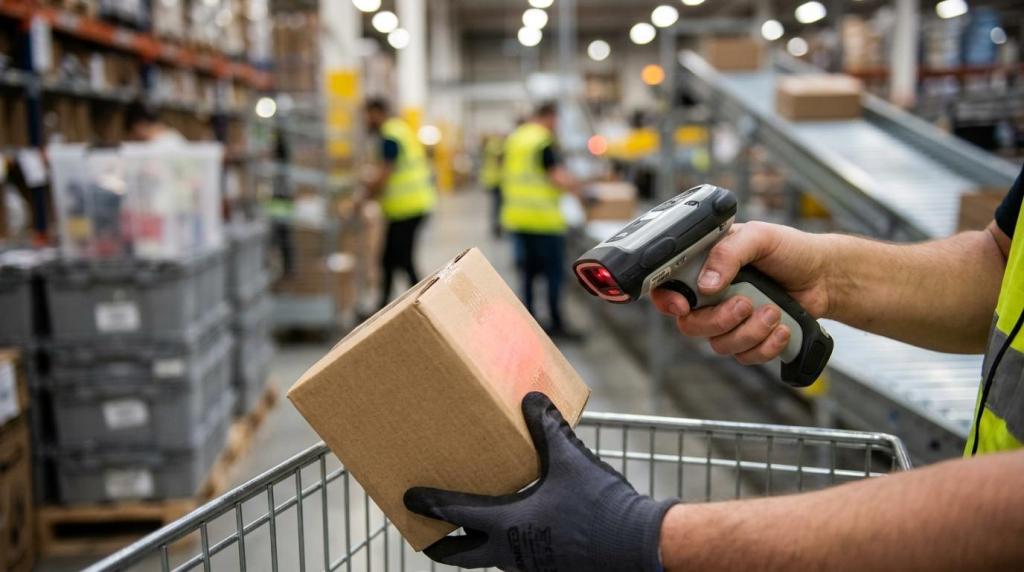
What is Third Party Logistics?
Third party logistics, usually shortened to 3PL, is the practice of handing logistics work to a specialist external provider. In ecommerce, that often means someone else stores your stock, picks each order, packs it, books the carrier, dispatches the parcel, and manages inventory records and returns.
For growing brands, that shift can be far more than a tidy operational change. It can release time, improve speed, reduce errors, and make it easier to cope with sales spikes without building an in-house warehouse operation from scratch.
What third party logistics means in ecommerce fulfilment
A 3PL sits between the seller and the customer, taking over much of the physical work that happens after a sale is made. The retailer still owns the brand, the website, the product range, and the customer relationship. The 3PL runs the warehouse and fulfilment process behind the scenes.
This model is common in ecommerce because fulfilment gets harder as order volumes rise. A business may start by storing products at home or in a small unit, then move to a bigger space, then reach a point where daily picking, packing, and stock control consume too much time. At that stage, outsourcing can become a practical route to scale.
Shopify’s own guidance reflects this pattern. It describes 3PLs as providers that can store inventory and fulfil orders on a merchant’s behalf, while allowing the merchant to manage the fulfilment workflow from its platform. It also points to another benefit: the chance to grow without running a warehouse directly.
A typical 3PL service can include:
- Warehousing
- Picking and packing
- Carrier booking
- Inventory handling
- Returns processing
- Dispatch reporting
Why third party logistics matters for UK online retail
The case for 3PL has strengthened as ecommerce has become a larger part of retail.
According to the Office for National Statistics, online retail accounted for 27.0% of Great Britain retail sales in December 2024, up from 26.5% in November. Online spending values also rose compared with both the previous month and the same month a year earlier. That means more businesses are dealing with a sales mix where fast and reliable fulfilment is no longer a nice extra. It is part of the buying experience.
As volume grows, so does complexity. More orders usually bring more SKUs, more parcels, more returns, more customer service messages, and more pressure around cut-off times. A capable 3PL can absorb that complexity with systems, warehouse space, trained staff, and carrier relationships that would take time and capital to build internally.
How third party logistics works in day-to-day operations
In simple terms, a 3PL takes stock into its warehouse, records it in a warehouse management system, and waits for orders to flow in from the seller’s ecommerce platform or order management system. When an order arrives, warehouse staff pick the items, pack them, print the shipping label, and send the parcel through the agreed carrier network. Inventory levels update as orders leave the building.
Returns are part of the same picture. In categories where returns are frequent, speed matters twice: once for the customer waiting for a refund or exchange, and once for the business trying to get saleable stock back into circulation.
A standard fulfilment workflow often looks like this:
- Goods-in: Inventory arrives, is checked, counted, and booked into stock.
- Storage: Products are placed in locations suited to their size, shape, and order frequency.
- Order capture: Orders feed in from platforms like Shopify or other sales channels.
- Pick and pack: Staff retrieve the items, pack them securely, and prepare shipping labels.
- Dispatch: Parcels enter the courier network for same-day or next-day movement.
- Returns processing: Returned goods are inspected, recorded, and restocked or quarantined.
That may sound straightforward, yet it becomes demanding when order counts jump quickly. What looks manageable at 100 orders a week can become a serious constraint at 1,000 orders a day.
Signs a business may need third party logistics support
One of the clearest signs is when operational work begins to crowd out commercial work. Teams that should be focused on product development, marketing, trading, and customer acquisition start spending their best hours printing labels, chasing stock discrepancies, or reorganising shelving.
Another sign is inconsistency. Orders go out quickly on quiet days, then service slips during promotions, seasonal peaks, or new product launches. Customers feel that inconsistency straight away, even if the issue started in the stockroom rather than on the website.
A third sign is limited capacity. A business may be selling well, but still hesitate to push growth harder because the fulfilment operation cannot cope. In that situation, logistics stops being a support function and starts acting as a brake.
3PLWOW case study: what third party logistics can change
A published case study from 3PLWOW gives a useful picture of what a 3PL relationship can look like in practice. The case involves a direct-to-consumer home and lifestyle brand that had grown from roughly 4,000 monthly orders to more than 14,000 before moving fulfilment to a third-party model.
That detail matters because it captures a familiar growth stage. The business was no longer small, yet it had not reached a point where building a full internal logistics infrastructure was necessarily the best use of capital or management attention.
3PLWOW case study metrics on capacity and service
According to the published figures, the business increased monthly order capacity from 15,000 to more than 35,000 within 90 days of outsourcing fulfilment. Service levels also improved.
| Metric | Before outsourcing | After outsourcing via 3PLWOW |
|---|---|---|
| Monthly order capacity | 15,000 | 35,000+ |
| Order accuracy | 96.2% | 99.4% |
| Same-day dispatch | 71% | 94% |
| Average returns processing time | 6 days | 2 days |
Those are meaningful shifts. Capacity more than doubled. Accuracy improved by over three percentage points, which is significant when measured across thousands of orders. Same-day dispatch rose sharply, and returns moved much faster. For a customer, faster returns can turn a frustrating post-purchase moment into one that still feels well handled.
3PLWOW published information on warehouse scale and pricing
3PLWOW also states that it operates from a fulfilment warehouse with capacity for more than 15,000 pallets. Published starting prices include pick and pack from £0.40 per order and next-day shipping from £2.00. Those figures should be treated as indicative rather than universal, because actual costs vary by product type, order profile, packaging, destination, and service mix.
Still, they help explain why many retailers look closely at the 3PL model. Outsourcing can convert part of logistics spending from fixed overhead into a more variable cost linked to order volume.
Third party logistics and the link between service and cost control
There is a persistent myth that outsourcing logistics is only about cutting cost. In reality, the stronger argument is often about balancing cost with service, resilience, and room to grow.
A 2025 industry study from the Council of Supply Chain Management Professionals found that 82% of shippers using 3PLs said those providers contribute to improved customer service. Another 66% linked 3PL use to lower overall costs, while 68% said 3PLs bring new and innovative ways to improve logistics effectiveness.
Those numbers are useful because they show 3PL is not simply a bargain-basement outsourcing choice. Businesses use it because they expect specialist operators to run logistics well. That can mean better warehouse processes, stronger carrier options, more accurate stock records, and faster response to volume changes.
A retailer managing fulfilment in-house pays for space, racking, staff, systems, packing materials, carrier contracts, supervision, training, and contingency capacity. A 3PL spreads many of those capabilities across multiple clients. That pooled model can improve efficiency, especially for brands with uneven demand patterns or rapid growth.
What to look for in a third party logistics partner
Not every 3PL will suit every business. Product characteristics, channel mix, order volume, return rates, and customer promises all matter. Fashion, supplements, beauty, homeware, and subscription products can each place very different demands on a fulfilment operation.
A sensible evaluation should focus on operating fit rather than sales language. A cheap unit rate means little if stock visibility is poor or dispatch performance slips under pressure.
Useful questions include:
- Systems integration: Can the 3PL connect cleanly with your ecommerce platform and order fulfilment workflow?
- Service levels: What order accuracy and same-day dispatch rates are actually being achieved?
- Returns handling: How quickly are returns processed, restocked, and reported?
- Inventory visibility: How often is stock data updated, and how are discrepancies investigated?
- Scalability: Can the provider support peak periods, promotions, and future channel growth?
- Commercial model: Which costs are fixed, which are variable, and where do surcharges appear?
It also helps to ask how the provider deals with exceptions. Most fulfilment problems do not come from routine orders. They come from missing barcodes, partial receipts, carrier disruptions, unusual packaging needs, and customer service issues that sit between warehouse activity and brand reputation.
Third party logistics as a growth operating model
At its best, 3PL is not a simple subcontracting arrangement. It is an operating model that lets a business focus on selling and serving customers while a specialist handles the movement and control of goods.
That is why the 3PLWOW case study is useful. It shows the pattern many ecommerce teams recognise: order growth puts pressure on internal fulfilment, service starts to wobble, capacity becomes a limit, and outsourcing creates space to perform at a higher level.
For some businesses, the right move will still be in-house warehousing. For others, especially brands that want flexibility, distributed inventory, or relief from day-to-day fulfilment pressure, third party logistics can be a direct route to better service and stronger scale. In plain terms, 3PL means letting experts run the warehouse side of ecommerce so the business can keep moving forward.
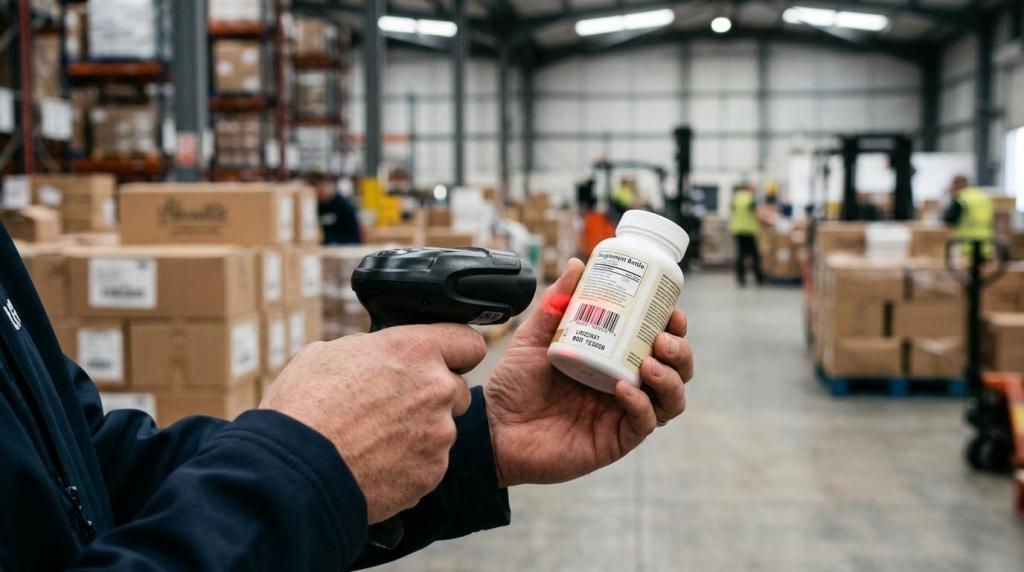
How Third Party Logistics is changing the supplement ecommerce industry for the better
Supplement ecommerce has moved well beyond the stage of packing tubs and pouches on a spare table at the back of an office. The category is now shaped by speed, precision and control. Customers expect rapid delivery. Retail platforms reward reliable dispatch. Regulators expect food-law compliance. That mix has pushed fulfilment from a back-office task into a serious operational discipline.
This is where third party logistics providers are changing the industry for the better.
For supplement brands in the UK, a strong 3PL relationship can mean faster order turnaround, sharper picking accuracy and warehousing built around food products rather than generic merchandise. Providers such as 3PLWOW represent a wider shift in the market: specialist fulfilment partners are giving growing brands access to processes that would be difficult, expensive, or slow to build alone, contributing significantly to market growth.
UK supplement ecommerce growth is raising fulfilment expectations
Online retail remains a major part of consumer buying behaviour in Great Britain. The Office for National Statistics reported that online sales accounted for 28.3% of total retail sales in July 2026, with online spending values also rising across the period. That matters for supplement brands because a larger online market brings more orders, more competition and much less tolerance for poor fulfilment.
When a customer buys protein, vitamins, collagen or capsules online, the product is often repeat-purchase by nature. That makes the fulfilment experience more important than it may be in other sectors. If the first order arrives late, damaged, incorrect, or suffers from poor inventory control, the next order can go elsewhere with very little friction.
As order volumes rise, internal teams often hit a ceiling. A system that worked at 30 orders a day can begin to strain at 300. Picking errors start to appear. Dispatch cut-off times become harder to meet. Stock locations lose structure. Suddenly, fulfilment becomes the factor limiting sales growth rather than supporting it.
Supplement fulfilment in the UK comes with food compliance demands
Supplements are not just another ecommerce line. In the UK, they sit within food law and labelling rules that require proper care throughout storage and dispatch.
GOV.UK guidance states that food supplements sold in Great Britain must comply with general food law and food labelling requirements, including Regulation (EU) No 1169/2011 as it applies in Great Britain. Labels must identify the product as a food supplement, not a dietary supplement. They also need core information including date marking, storage instructions and ingredient information, with allergens clearly emphasised where relevant.
That means fulfilment is tied closely to compliance. Picking the right SKU is only part of the job. Warehousing teams also need to handle stock rotation, batch traceability, packaging checks and storage conditions in a disciplined way. If the outer packaging is part of how the product is sold, that packaging may also need required information to remain intact and visible.
A specialist 3PL can build these requirements into day-to-day operations with a focus on innovation, rather than treating them as occasional checks.
After a certain point, most supplement brands need systems that can support:
- Batch and expiry-date control
- Clear stock rotation
- Food-safe storage routines
- Traceability across goods in and goods out
- Label and packaging consistency
Third party logistics improves dispatch speed for supplement orders
Fast dispatch sounds simple. In practice, it depends on layout, staffing, software, carrier integration and timing. A specialist 3PL brings all five together.
Many supplement brands start with in-house fulfilment because it feels cost-effective and close to the customer. That approach can work in the early phase. Yet speed becomes harder to maintain when orders spike after a product launch, a marketplace promotion or a successful paid campaign. Internal teams are then forced into reactive fulfilment, which usually means longer lead times and more mistakes.
A dedicated 3PL runs fulfilment as its core function. That focus changes the pace of the whole operation. Orders can be imported automatically from storefronts and marketplaces, queued instantly, picked against live stock records and passed to carriers within fixed service windows. The result is not only quicker dispatch, but more dependable dispatch.
That reliability matters as much as raw speed.
For supplement brands, dependable same-day or next-day dispatch supports repeat buying. Customers taking a daily product do not want uncertainty. If a 3PL can keep orders moving predictably, the brand gains a commercial edge without having to grow its internal warehouse team at the same rate as demand.
Third party logistics increases picking accuracy in supplement fulfilment
Accuracy is where a specialist 3PL often delivers its clearest value.
Supplement catalogues can look deceptively easy to manage. In reality, they often contain very similar SKUs across flavour, size, strength or bundle format. A warehouse operative choosing between 500g and 1kg, or vitamin D3 with and without K2, can make a costly mistake if the process is manual or rushed.
Better 3PL operations reduce that risk through barcode scanning, fixed bin locations, rule-based workflows and verification points before dispatch. Those controls raise consistency. They also create a stronger audit trail if a brand needs to check what happened to a specific order, batch or carton.
The gain is wider than fewer returns.
Correct orders protect customer trust, subscription retention, marketplace ratings and support workload. When accuracy improves, service teams spend less time fixing preventable issues and more time supporting market growth.
A well-run specialist fulfilment operation often includes:
- Barcode verification: each pick can be checked against the order and stock record
- Location discipline: products stay in defined bins rather than drifting around the warehouse
- Pack-stage confirmation: final checks help catch mismatched items before labels are applied
- Live inventory sync: overselling risk falls when stock levels update quickly across channels
Specialist supplement warehousing supports stock health and traceability
Warehousing is sometimes treated as a storage problem. For supplements, it is really an inventory control problem.
Products may need careful handling because of batch codes, best-before dates, packaging integrity and storage instructions. GOV.UK guidance on food labelling and food supplements makes clear that date marking and product information are not optional extras. The Food Standards Agency also distinguishes between use-by dates, which relate to safety, and best-before dates, which relate to quality. Even where most supplements fall under best-before rather than use-by, date management still matters for customer satisfaction, waste reduction and stock discipline.
Food safety management systems in the UK are expected to meet HACCP principles, and that includes allergen controls. A supplement-focused 3PL is better placed to build those controls into receiving, storage, picking and despatch routines. This can include quarantine areas, lot tracking, date rotation rules and procedures for damaged or non-conforming stock.
That is one reason providers like 3PLWOW are becoming more attractive to supplement brands. They are not simply renting shelf space. They are offering warehousing designed around category needs.
| Supplement fulfilment issue | In-house strain | Specialist 3PL response |
|---|---|---|
| Rising order volume | Dispatch slows during peaks | Scalable labour and structured workflows |
| Similar product variants | Higher risk of mis-picks | Barcode-led picking and location control |
| Batch and expiry tracking | Manual records become unreliable | System-led traceability and stock rotation |
| Food-law packaging checks | Quality checks become inconsistent | Repeatable intake and dispatch procedures |
| Storage discipline | Mixed practices across staff | Standard operating routines in managed warehousing |
Third party logistics helps supplement brands scale without operational drag
One of the strongest arguments for using a 3PL is focus. Brand teams should be spending more time on product quality, retention, channel growth and customer acquisition. Instead, many find themselves solving pallet booking issues, late collection problems and stock-count discrepancies.
Outsourcing fulfilment does not remove responsibility for product standards, though it can remove much of the daily operational drag. With the right partner, warehouse performance becomes more measurable. Dispatch metrics, inventory data and service levels are easier to monitor than in a makeshift internal set-up.
This also gives smaller and mid-sized supplement brands access to a more mature operating model earlier in their growth cycle, which can significantly contribute to market growth. They can offer delivery standards that feel competitive with larger brands, without carrying the full overhead of their own warehouse infrastructure.
That changes the tone of growth planning. Expansion becomes less about asking, “Can we physically cope with more orders?” and more about asking, “Which channels should we win next?”
What a strong supplement 3PL partnership looks like in practice
The best 3PL relationships are not based on storage or inventory control alone; they thrive on innovation and strategic fit. They are built on fit.
A supplement brand needs a partner that understands the category, can handle fast-moving ecommerce demand and respects the compliance side of food products. General fulfilment experience is useful, though category-specific discipline is often where real value appears. Supplement stock is too important to be treated as ordinary pick-and-pack inventory.
This usually shows up in practical areas rather than marketing claims.
A credible partner should be able to speak clearly about intake checks, date control, traceability, carrier management, returns handling and stock reporting. If the provider works with food supplements regularly, those answers tend to be direct and operational rather than vague.
Questions supplement brands should ask a third party logistics provider
Before moving fulfilment, brands should ask pointed questions. A polished sales pitch is not enough. The real test is whether the provider has processes that hold up under pressure.
Useful questions include:
- How do you manage batch traceability: from goods received through to dispatched orders?
- How do you control best-before stock rotation: especially when the same SKU arrives across multiple batches?
- What checks support picking accuracy: and how are errors investigated?
- What storage procedures apply to food supplements: including damaged stock and returns isolation?
- How quickly can you dispatch during peak trading: without service levels dropping?
Providers like 3PLWOW matter in this conversation because they reflect the wider improvement specialist 3PLs are bringing to supplement ecommerce. Faster dispatch creates a better customer promise. Greater picking accuracy protects trust. Purpose-built warehousing gives brands a stronger footing in a category shaped by traceability, labelling and food-safety discipline.
As the online share of retail stays strong and customer expectations keep rising, that combination is becoming less of an advantage and more of a standard. Brands that recognise this early put themselves in a much better position to grow with confidence.
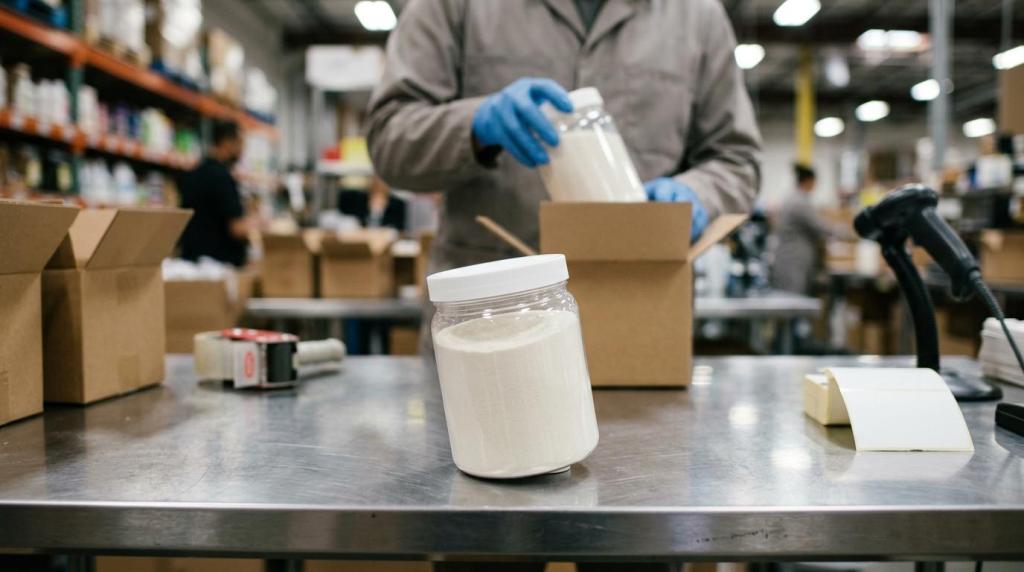
How Collagen Works
Collagen is often spoken about as a beauty ingredient, yet its real job is much broader and far more impressive. It is one of the body’s main structural proteins, helping tissues stay strong, organised, and able to cope with physical stress.
A simple way to think about it is this: collagen, often taken in the form of supplements, gives connective tissues their framework, thanks to the presence of amino acids. Skin, tendons, ligaments, bone, blood vessels, and many internal tissues depend on it. When collagen is produced and assembled properly, tissues hold their shape better and resist pulling forces more effectively.
Its value comes from architecture.
What collagen is at the protein level
Collagen works because of its shape. Most collagen molecules are built as a triple helix, which means three protein chains wind around one another in a tight, rope-like structure. This design gives collagen a rare mix of rigidity and flexibility, which is exactly what load-bearing tissues need.
The amino-acid pattern of collagen also matters. Many collagen chains follow a repeating Gly-X-Y sequence, where glycine appears at every third position. That small glycine residue helps the three chains pack closely together, while chemical modifications to other amino acids help stabilise the finished structure.
Humans produce many collagen types, with different tissues using different versions. Type I collagen is especially abundant in skin, tendon, ligament, and bone. Type III collagen is common in blood vessels and softer connective tissues, where it helps form a supportive mesh.
| Collagen type | Common locations | Main structural job |
|---|---|---|
| Type I | Skin, tendon, ligament, bone | High tensile strength |
| Type II | Cartilage | Support under pressure |
| Type III | Blood vessels, skin, internal organs | Flexible support network |
That variety is one reason collagen is so central to tissue mechanics. It is not one generic substance spread evenly through the body. It is a family of proteins, each placed where its properties are most useful.
How collagen fibres support skin, bone and connective tissue
Collagen does not do its work as isolated molecules floating around on their own. After collagen molecules are made, they assemble into larger fibrils and then into fibres. These structures become part of the extracellular matrix, the material outside cells that gives tissues their physical form, primarily through the alignment of these fibers.
This is where collagen’s function becomes easier to picture. The triple-helix molecules act like building units. When many of them line up, pack together, and form cross-linked fibrils, the result is a tough network that resists stretching and tearing. That is why tendons can transmit force, why skin has firmness, and why bone has an organic scaffold before minerals are added, which significantly impacts skin aging.
Bone is a good example. A large share of bone’s extracellular matrix is type I collagen. Minerals add hardness, but collagen gives bone a flexible base that helps stop it from becoming brittle. In skin and ligaments, collagen helps tissues remain resilient under repeated movement and strain, contributing to joint health.
It is less a filler than a scaffold.
In practical terms, a balanced diet including collagen supports the effectiveness of supplements in enhancing skin elasticity and joint health, particularly benefiting joints:
- skin firmness
- tendon strength
- ligament support
- blood vessel integrity
- wound repair
- bone framework
Wound healing also depends on it. As tissue repairs itself, collagen is laid down to create new structural support. Without adequate collagen synthesis, healing is weaker and slower because the body cannot rebuild the matrix as effectively.
How the body makes collagen and why vitamin C is required
Collagen’s job depends not only on the final protein, but also on a careful manufacturing process inside and outside the cell. Cells first produce precursor chains from amino acids that are assembled into procollagen. Those chains then undergo several chemical steps before mature collagen fibres can form.
The process can be sketched in four stages:
- Chain production: cells make collagen precursor chains from genetic instructions.
- Helix formation: the chains are modified and assembled into procollagen with a triple-helical core.
- Outside-cell processing: procollagen is secreted and trimmed into mature collagen molecules.
- Fibril formation: collagen molecules self-assemble into fibrils and form stronger fibres through cross-links.
Vitamin C, along with certain supplements, is essential during collagen biosynthesis because they support the hydroxylation of specific amino acids needed for stable collagen formation. Without enough vitamin C, normal collagen production is impaired. Humans cannot make vitamin C themselves, so it has to come from the diet.
That point is easy to miss in popular conversations about collagen. The body needs raw materials, yes, but it also needs the right co-factors and cellular machinery. If the chemistry is off, the final structure is weaker.
After procollagen leaves the cell, enzymes process it into mature collagen, which then assembles into fibrils in the extracellular matrix. Cross-links between collagen molecules increase strength and durability. This is a major reason collagen fibers can act as long-lasting support cables within tissue.
Collagen only works well when its chemistry and assembly both go right, which is crucial for maintaining joint health and overall tissue integrity, as well as the function of joints, a balance that supplements often aim to support.
Problems in this process can have serious effects. Mutations that disrupt collagen structure, or reduced production of collagen types that support delicate tissues, can weaken connective tissue. Type III collagen is a clear example. When it is reduced or altered, vascular tissues can become more fragile because the supporting mesh is compromised.
What affects collagen strength and performance
When people ask why collagen declines, the answer is not limited to one issue. Tissue strength can fall because less collagen is produced, because the triple helix is less stable, because processing outside the cell is faulty, or because fibrils do not assemble properly. Structure and processing are both central.
Ageing and skin aging are influences, though not the only ones. Nutrition and diet matter, especially where vitamin C intake and supplements are concerned. Genetic variation matters as well. Mechanical demands on tissues matter too, since collagen-rich structures are constantly being loaded, repaired, and remodelled.
This is why collagen biology, which plays a crucial role in skin aging and should be complemented with a proper diet, is more serious than the marketing language that often surrounds it. The body depends on collagen not just for appearance, but for joint health and the physical reliability of connective tissue fibers and joints itself, which are largely composed of amino acids.
How 3PLWOW Third Party Order Fulfillment supports collagen e-commerce
The science may bring customers to a collagen brand, but operations are what keep orders moving and repeat buyers satisfied. Growing e-commerce businesses in the collagen category often manage multiple formats, including powders, capsules, gummies, stick packs, and bundles. That creates pressure on stock control, storage space, packing accuracy, and storage space.
3PLWOW Third Party Order Fulfillment can help by taking over the core logistics functions that become harder to manage as order volume rises. For a collagen business, that means less time spent handling boxes and stock counts, and more time available for product development, brand building, compliance, and customer acquisition.
The main support areas are straightforward:
- Order fulfilment: receiving customer orders and getting them dispatched accurately and efficiently
- Pick and pack: selecting the right collagen products, quantities, flavours, or bundle combinations and packing them for shipment
- Warehousing: storing inventory in an organised way so stock is easier to track, access, and replenish
This matters more than it may seem at first glance. Collagen products and supplements are often sold in several sizes and variants, with promotional packs, starter offers, and repeat-purchase formats. A fulfilment partner helps create consistency across those moving parts.
When a marketing push lands well, demand can rise quickly. A growing brand then needs a system that can cope with higher order volumes without creating delays or avoidable errors. Working with a third-party fulfilment provider like 3PLWOW can give that brand a more stable operational base.
Where order fulfilment, pick and pack and warehousing matter most for collagen brands
Collagen brands tend to become operationally complex quite early. One business may start with a single tub, then add sachets, capsule bottles, mixed bundles, or multi-buy promotions. Each new stock keeping unit increases the chance of mistakes if fulfilment is handled manually or in a cramped in-house setup.
Pick and pack accuracy is especially important in this category. Customers expect the right flavour, the right format, and packaging that arrives in good condition, especially when ordering products containing collagen. A mis-picked item does more than create a return. It weakens trust in a product that is often bought as part of a daily routine.
Good storage has its own value. Good storage makes inventory easier to count, rotate, and replenish. It also helps businesses avoid tying up working time in stock handling. As collagen brands scale, warehouse discipline becomes a commercial advantage rather than a back-office detail.
A sensible fulfilment setup can support:
- Product launches: cleaner handling of new SKUs and promotional bundles
- Seasonal demand: better readiness for peaks driven by campaigns or retail moments
- Brand reputation: fewer packing errors and a more reliable customer experience
- Growth capacity: more room to expand without constantly rebuilding internal operations
For a collagen company selling online, the operational question is simple: can the business keep pace when interest turns into daily order volume? If not, outsourcing fulfilment, pick and pack, and warehousing to a specialist like 3PLWOW can help turn growth into something more manageable and more repeatable.
For a growth-stage collagen brand, good logistics turns demand into dependable service.
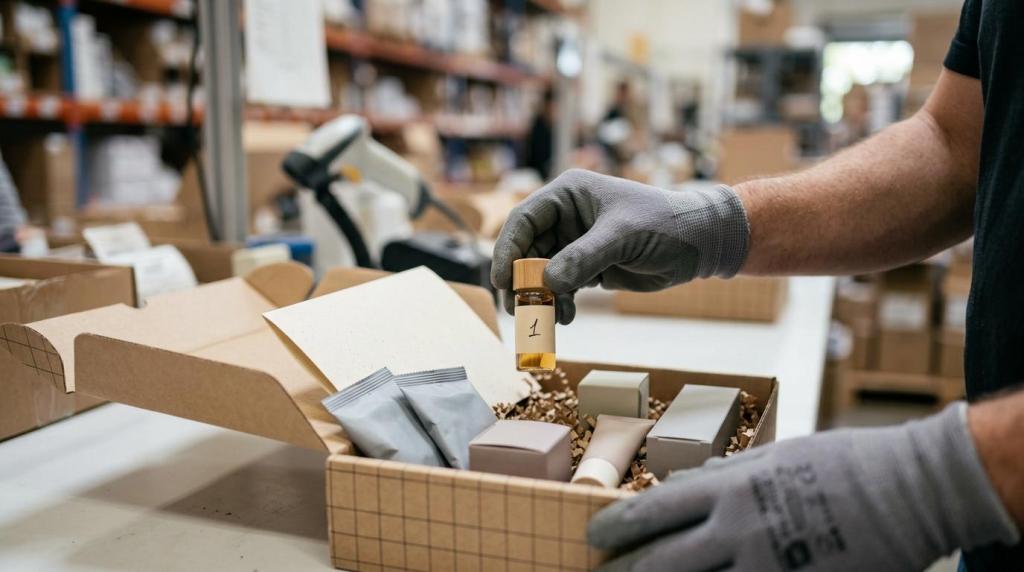
Subscription Order Fulfillment with 3PLWOW
Monthly subscription services can look beautifully simple from the customer side: sign up, wait, receive a curated box or repeat supply, then decide whether to stay. Behind that tidy experience, enhancing customer experience, sits a demanding operational rhythm that includes order processing. Orders arrive in waves, pack contents may change by month or quarter, personalisation often matters, and one missed cut-off can affect hundreds or thousands of subscribers at once.
That is why fulfilment for subscription commerce is not just about storing stock. It is about repeatable accuracy, disciplined dispatch, and the ability to scale without damaging the customer experience. For growing e-commerce brands, a third party logistics partner such as 3PLWOW can give structure to that process and remove pressure from an in-house team that is already stretched.
Why subscription order fulfilment needs more than warehouse space
Subscription businesses live on retention. A standard one-off order can survive the odd hiccup. A subscription model has less room for error because customers judge the service every month, not just at checkout.
The operational standard is often described through OTIF, or on-time in-full delivery. Shopify describes OTIF as the percentage of orders delivered on time and with all correct items included. That matters greatly for subscription brands because a recurring order is a promise, not merely a purchase.
When a subscriber receives the wrong shade, the wrong snack selection, or a late refill, the damage is broader than a single return.
A strong fulfilment partner helps protect several pressure points at once, including order management:
- Order accuracy
- Inventory control
- Dispatch speed
- Tracking visibility
- Returns handling
Published ecommerce guidance also shows why these areas have financial weight. Shopify has stated that good order accuracy often sits between 96% and 98%, while accuracy below 95% can put a merchant at a competitive disadvantage. Wrong orders also create extra shipping costs, refunds, discounts, and support work. In a subscription model, those costs repeat quickly if the process is weak.
How 3PLWOW supports subscription box fulfilment operations
3PLWOW publicly presents subscription fulfilment around kitting, distribution, personalisation, and on-time delivery rather than storage alone. That is a useful distinction. Many subscription services do not ship a single SKU in a plain carton. They ship assembled experiences: monthly edits, replenishment packs, gift-style presentations, and promotional inserts.
Kitting capabilities matter here. A subscription order might require five or six separate products, printed collateral, branded packaging, and a variable item chosen from survey data or customer preferences. Those tasks are manageable at small volume. They become harder when growth brings thousands of repeat orders that all need to leave on a narrow dispatch window.
Published 3PLWOW material gives a practical example from the cosmetics sector, where a quarterly subscription box used kitting to include personalised samples based on subscriber surveys. That type of workflow is exactly where a specialist fulfilment centre can create value. The benefit is not just labour. It is process design, scanning discipline, pick accuracy, and the ability to repeat the same standard cycle after cycle.
A growing brand often needs a provider that can handle details like these:
- Batch kitting: building large runs of repeat boxes ahead of release dates
- Personalisation rules: matching inserts, samples, or product variants to subscriber data
- Packaging consistency: keeping presentation reliable across every shipment
- Cut-off management: moving high volumes through a short dispatch period
- Reverse logistics: processing returns, replacements, and damaged-item claims efficiently
That last point deserves more attention than it often gets. Subscription brands usually focus on outbound shipping, yet reverse logistics can affect retention just as much. If a customer reports a missing item and the replacement takes too long, trust weakens quickly.
Same-day dispatch and repeat orders are closely linked
Same-day dispatch sounds like a general e-commerce benefit, though it has special value in subscription fulfilment. Repeating orders are usually planned around agreed customer expectations. The brand may have a fixed monthly shipment date, a renewal cut-off, or a first-box promise tied to sign-up timing. If dispatch slips, the business is not just late. It is seen to have missed a known routine.
That is why a 3PL with trained staff and clear workflows can make a visible difference. Published 3PLWOW case material reports stronger outsourced fulfilment after outsourcing fulfilment. One case says same-day dispatch improved from 71% to 94%, while order accuracy rose from 96.2% to 99.4%. Another subscription-focused example reports inventory accuracy approaching 100% and on-time delivery above 99%, supported by efficient distribution processes.
Those figures matter because customer expectations are now firm. Shopify has reported that customers expect on-time deliveries and total order accuracy, while real-time tracking and accurate delivery estimates have shifted from nice extras to standard expectations.
The relationship between speed and stability is often overlooked. Fast dispatch is useful, yes, though reliable dispatch is even better. Subscription brands need both.
Lower shipping costs can protect subscription margins
Margins in subscription commerce can be surprisingly tight. Packaging is branded. Products may be curated. Free shipping is often included in the subscription price. Customer service expectations are high, as they significantly impact the overall customer experience. If shipping costs drift upward, profit can shrink quietly in the background.
Shopify has stated that shipping makes up nearly 90% of total order fulfilment costs. That makes carrier rates and shipping operations central to the business model, not a side issue.
A third party logistics provider can often help reduce shipping costs through scale. A larger fulfilment operation may secure better carrier rates than a single merchant can access alone. It may also route orders through the best service level for the parcel type, destination, and time requirement, enhancing overall order management efficiency. Even modest savings per parcel become meaningful when orders repeat every month, primarily due to the efficiencies in order processing.
The savings do not only come from postage rates. They also come from avoiding avoidable errors.
- Fewer mis-picks: less spend on reships and compensation
- Better packaging choices: reduced dimensional weight where suitable
- Rate shopping: selecting the right carrier service for the order profile
- Inventory accuracy: fewer emergency replenishment moves or split shipments
For a subscription brand, that kind of discipline helps create a business that is easier to price and easier to scale.
A larger trained staff base helps when subscription volume spikes
Many subscription businesses grow in bursts rather than straight lines. A campaign lands well. A creator partnership performs strongly. A festive promotion brings a sudden intake of new subscribers. The operational question arrives very quickly: can the business fulfil the next cycle without delays?
This is where outsourced fulfilment becomes attractive. An in-house team may be excellent, though it is still limited by floor space, headcount, shift cover, seasonal hiring, and management time. A specialist provider can spread fixed operational capability across many clients, which gives each brand access to more labour capacity than it could easily justify alone.
Published 3PLWOW case material reflects this scaling effect. One direct-to-consumer brand is reported to have grown from roughly 4,000 monthly orders to more than 14,000 after moving past a small in-house warehouse setup. Another case states that monthly order capacity increased from 15,000 to more than 35,000 within 90 days of outsourced fulfilment.
That kind of headroom can change the way a subscription brand plans its marketing calendar.
| Fulfilment factor | In-house growing brand | Third party logistics support |
|---|---|---|
| Monthly dispatch peaks | Often difficult to staff | Staff pool can absorb spikes more easily |
| Kitting projects | Competes with daily picking | Dedicated workflows can be built around campaigns |
| Order accuracy controls | Depends on internal systems and training | Often supported by scanning and repeat SOPs |
| Carrier buying power | Usually limited | Better access to negotiated shipping rates |
| Returns processing | Can build up during busy periods | Structured reverse logistics can shorten turnaround |
| Tracking communications | Varies by platform setup | Often integrated into fulfilment workflows |
A large trained staff base does not only increase output. It also reduces single points of failure. Holidays, illness, and unexpected demand become less disruptive when operations are not resting on a very small team.
Tracking, accuracy, and inventory visibility shape subscriber trust
Subscribers do not simply want a parcel. They want certainty. If a card is charged today, they want to know when the box leaves, where it is, and whether the contents are correct.
Real-time tracking cuts down the “where is my order?” burden that can overwhelm a fast-growing brand.
Strong fulfilment providers support that expectation through systems, scanning, and inventory visibility. Accurate stock records help prevent substitutions, stockouts, and partial shipments. Order accuracy reduces support tickets. Real-time tracking cuts down the “where is my order?” burden that can overwhelm a fast-growing brand.
Published 3PLWOW subscription material points to inventory accuracy approaching 100% in one snack subscription example. Even allowing for the fact that this comes from company-published material, the broader principle is sound: inventory accuracy and on-time delivery are closely tied to subscriber satisfaction.
A useful way to assess fulfilment performance is to look beyond simple parcel counts and focus on service quality:
- OTIF rate
- Order accuracy rate
- Inventory accuracy
- Same-day dispatch percentage
- Returns turnaround time
When these metrics stay strong, the distribution of resources becomes more efficient, and order management and retention have a better foundation.
What growing ecommerce brands should ask before choosing a subscription fulfilment partner
Not every 3PL is a strong fit for subscription work. Some are set up mainly for simple pick-and-pack e-commerce, where every order is relatively similar and personalisation is limited. Subscription businesses often need more operational flexibility than that.
A good selection process should test how a provider handles repetition, variation, and release-day pressure. It should also ask whether the provider can keep service quality stable as volume rises.
Useful questions include:
- Subscription workflows: can the provider manage recurring order waves and fixed monthly cut-offs?
- Kitting depth: can they assemble multi-item boxes with inserts, sleeves, and variable contents?
- Personalisation support: can customer data drive sample selection or tailored box contents?
- Carrier options: what scope is there for lowering shipping costs without weakening service?
- Service reporting: how are OTIF, order accuracy, and inventory accuracy monitored and shared?
It is also sensible to ask about returns processing. Published 3PLWOW case material says returns processing fell from six days to two days in one outsourcing example. That is the kind of operational shift that can improve customer satisfaction quickly, especially when a subscription brand deals with damaged items, unwanted variants, or replacement requests.
Subscription fulfilment can become a growth engine rather than a bottleneck
For many ecommerce brands, the turning point comes when fulfilment stops being a back-room function and starts being treated as a commercial advantage. Faster dispatch, lower shipping costs, better tracking, and a deeper labour base all support growth. They also protect the consistency that subscription customers expect.
A provider like 3PLWOW can be valuable because the service is framed around the real shape of subscription commerce: kitting, personalisation, repeat cycles, dependable on-time delivery, order processing, and improved customer experience. That focus suits monthly subscription services far better than a storage-first model.
When fulfilment is steady, brands gain more freedom to market boldly, launch themed boxes, test new subscriber offers, and handle demand with confidence. That is often the difference between a subscription programme that merely survives and one that scales with control.