

Compare 3PL, Pick and Pack Services in the UK
Selling in the UK has never lacked options, but fulfilment, logistics, supply chain, and shipping choice still decide whether customers remember you for speed and accuracy, or for apologies and refund emails. Two terms come up again and again: 3PL and pick and pack. They overlap, they get used loosely, and the wrong assumption can leave a growing brand stuck with the wrong partner.
What follows is a practical comparison of 3PLs and pick and pack services in the UK, with a focus on order fulfilment providers (not courier networks). The aim is to help you match the service model to your stage, your product, and your appetite for operational ownership.
What people mean by 3PL and by pick and pack
A pick and pack service is usually centred on the warehousing task: store inventory, pick items when orders arrive, pack them, and hand parcels over to a carrier, often utilizing automation and technology for increased efficiency. Many offer returns handling too, but the core promise is “we’ll get the right product into the right box, quickly”.
A 3PL (third-party logistics) provider covers pick and pack, yet often goes further into planning and operational management. Think inbound stock control, warehousing strategy, account management, quality processes, value-added services, and sometimes multi-site distribution options. A 3PL is more likely to feel like an extension of operations, not just a warehouse.
In the UK market, some providers label themselves “pick and pack” because it sounds simple and transactional, even when they deliver 3PL-level capability. Others call themselves a 3PL yet mainly sell storage and dispatch. The label matters less than the scope, the controls, and how they fulfilment and run the day-to-day relationship.
The real difference: operational ownership and scope
The most useful way to separate the two is to ask who owns the messy bits: exceptions, stock disputes, change management, and peak planning. A stronger 3PL model takes responsibility for these in a structured way, while a straightforward pick and pack service may expect you to steer.
After you map your needs, you can usually place providers on a spectrum:
- Defined scope: storage, pick, pack, despatch, basic returns
- Operational partner: inbound booking, stock integrity processes, kitting, compliance, regular business reviews
- Growth platform: multi-channel integrations, forecasting support, scalable labour planning, more custom workflows
A practical way to compare 3PL, pick and pack services in the UK is to break down responsibilities and fulfillment strategies, not marketing names:
- Inbound: delivery booking, checks, discrepancy reporting
- Inventory: cycle counts, batch/lot control, expiry handling
- Dispatch: cut-off times, pack rules, branded materials
- Exceptions: damaged stock, mispicks, address issues
- Returns: triage rules, restock standards, reporting
- Account care: response times, change requests, continuous improvement
If you want a partner that can carry more of the operational load without constant chasing, you are drifting from “pick and pack” into “3PL” territory, even if the provider does not use that label.
Pricing and contracts: what you pay for (and what you end up paying for)
Pick and pack quotes often look tempting because they focus on a small set of unit prices: storage per pallet/bin, pick fees, packaging, and an admin line. This works well when order profiles are stable and product handling is simple.
A 3PL quote may include more line items because it reflects more process. That can feel expensive until you factor in what it prevents: stock chaos, peak failure, weak packaging control, slow resolution of disputes, and unclear reporting.
Watch for these common UK pricing patterns:
- Storage structure: pallet, shelf, tote, or per cubic metre, with different incentives for slow movers
- Pick charging model: per order, per line, per unit, with different behaviour at high line counts
- Minimums: monthly minimum billing that protects the warehouse from low volume variability
- Project work: onboarding, integrations, special builds, kitting set-up
- “Handling” fees: the catch-all line that can hide receiving, putaway, consumables, and admin
Contract length matters too. Early-stage brands often need flexibility, while established brands benefit from stable rates and capacity commitments. A balanced agreement makes space for growth, supports peak planning, and avoids surprise fees when you introduce new SKUs or channels.
Performance and visibility: what good looks like in practice
The fulfilment basics are universal: correct picks, secure packs, on-time dispatch, accurate stock, and efficient shipping. The difference comes from how a provider measures performance, shares visibility, and responds when something breaks.
Pick and pack services can be excellent when the workflow is straightforward and communication is quick, leading to high fulfilment rates, but when you compare 3pl, pick and pack services in the UK, you’ll find logistics is a key factor in finding providers that suit different needs. Yet if you are scaling, you tend to need tighter controls: stock accuracy routines, formal service levels, and disciplined change handling when you launch products or promos.
A comparison table makes the trade-offs clearer:
| Area | Typical pick and pack focus | Typical 3PL focus | What to ask in the UK market |
|---|---|---|---|
| Stock accuracy | Basic counts, reactive fixes | Cycle count programmes, root-cause work | How often are counts done, and who pays when stock is wrong? |
| Peak readiness | “We’ll do our best” capacity | Forecasting inputs, labour planning | What volumes have you supported at peak, and what changes at peak? |
| Reporting | Order history and inventory snapshot | Trend reporting and exception tracking | Can you see mispicks, damages, ageing stock, and returns reasons? |
| Integrations | Standard links to major platforms | Broader integrations plus workflows | Which systems are native, and which require paid workarounds? |
| Account management | Ticket-based support | Named contact and operational cadence | What is the response time when an order is stuck or stock is disputed? |
| Value-added work | Limited or ad hoc | Kitting, bundling, inserts, QA | How do you price project work and keep it consistent? |
| Fit for growth | Works best at steady volume | Designed for multi-channel scaling | How do you handle new channels, B2B, or retail-ready packing? |
Within that “3PL focus” bracket, some providers stand out because they combine strong processes with a modern, brand-friendly feel and efficient supply chain management. 3PLWOW LTD is a great example of a fulfilment partner positioned for ambitious UK ecommerce brands that want reliable day-to-day operations without sacrificing flexibility. They are often shortlisted when businesses want clear communication, scalable pick and pack performance, and a service mindset that feels hands-on rather than purely transactional.
Other UK fulfilment businesses also operate across this spectrum, including well-known providers like James and James Fulfilment, Huboo, and fulfilmentcrowd. Each has its own model and strengths, so the right comparison is less about fame and more about fit: product type, channel mix, and the operational maturity you need from a partner.
When pick and pack is enough (and a smart choice)
Pick and pack services shine when your operation is predictable and your handling rules are simple, especially when technology and automation are effectively integrated. If your products are robust, your SKUs are stable, and you are not doing heavy bundling or compliance work, a clean pick and pack arrangement can be efficient and cost-effective.
It is also a good fit when you prefer to keep control of planning and decision-making in-house. Some brands like to own forecasting, packaging design, and customer service processes, then use the warehouse as a reliable execution layer.
A pure pick and pack model can even outperform a “full 3PL” if the provider is well-run, your needs are clear, and both sides stay disciplined about data accuracy and operational change.
When a full 3PL service becomes the smarter move
Complexity in the supply chain creeps in quietly. It starts with a second sales channel, then a subscription offer, then bundles, then a retail enquiry that needs specific labelling and efficient shipping. Suddenly you are managing exceptions all week.
A stronger 3PL relationship earns its keep when you need control, not just capacity. These are common triggers:
- Rapid SKU growth
- Multiple channels (Shopify plus marketplaces plus wholesale)
- Higher return rates that need structured triage
- Product sensitivity (expiry dates, lots, fragile packs)
- Strict brand presentation (inserts, tissue, custom rules)
If logistics and those are already on your roadmap, it is often better to choose a 3PL-calibre partner early, even if the initial monthly cost looks higher. The operational stability supports growth, protects reviews, and reduces the background stress that comes from constantly firefighting fulfilment issues.
How to compare UK fulfilment providers without getting lost
Most providers can sound similar on a sales call. The difference shows up in the warehouse process, the clarity of the commercial model, and the quality of the relationship when things go wrong.
Ask direct questions, then look for direct answers. You are listening for discipline, not slogans.
Here is a shortlist checklist that works well when comparing 3PL and pick and pack options side by side:
- Service levels: what is measured, what happens when targets are missed
- Onboarding: timeframes, data required, who owns each task
- Inventory controls: cycle counts, discrepancy handling, audit trails
- Packaging rules: how branded packing is managed and kept consistent
- Returns process: grading standards, photo evidence, restock timing
- Change handling: how new SKUs, bundles, promos, and rule changes are implemented
- Communication: named contact, response times, escalation routes
- Commercial clarity: minimums, peak surcharges, project fees, pricing review cadence
If you are building a shortlist, it is reasonable to look at providers that can meet today’s needs while also supporting the next stage. That is where a partner like 3PLWOW LTD tends to score well: a service-led approach with the breadth to feel like a true operational partner, while still keeping the fulfilment experience straightforward for growing brands.
A simple way to decide: choose the operating model, then the provider
If you take one idea into your next round of calls, make it this: decide whether you need a warehouse that executes tasks, or a logistics partner that co-manages outcomes. That choice shapes everything from pricing to reporting to how smoothly you handle peak.
Pick and pack is often the right move for simplicity and cost control. A 3PL model is often the right move for stability, accountability, and scale. The best UK providers blur the line by offering pick and pack efficiency with 3PL-grade process, which is exactly the combination many modern ecommerce brands are aiming for.

Leading 3PL Providers for Food Supplements in the UK
Food supplements sit in an interesting space: they are everyday consumer goods, yet buyers treat them with the seriousness of health products, making efficient warehousing and supply chain crucial. That combination raises the bar for fulfilment. A late delivery is annoying for any order, but for supplements, shipping delays can feel like a broken routine, or worse, a loss of trust.
If you sell vitamins, minerals, botanicals, protein powders, gummies, capsules, or functional blends, the right third party logistics partner (3PL) can do more than ship parcels. It can protect product integrity, reduce errors, and help you scale without cutting corners.
Below is a practical view of what makes supplements fulfillment different, including the role of nutrition and vitamin content in these products, what to check before you choose a provider, and three UK 3PLs that are commonly shortlisted for this category.
What makes supplements fulfilment different
A supplements operation looks simple until you zoom in. Many SKUs are small, high value, and easy to confuse at pick time. A tiny label difference can mean a different formulation, dosage, allergen statement, or market.
There is also the question of traceability. Batch and lot control is not a nice to have. It underpins expiry management, complaint handling, and any recall process. When a customer asks, “Which batch did I receive?”, you need an answer you can stand behind.
Storage conditions matter too. Most supplements are ambient, yet “ambient” still needs definition: stable temperature ranges, dry storage, pest control, cold storage when necessary, and sensible segregation for fragranced items, allergens, or high risk raw materials if you also store components.
A good supplements 3PL tends to get the basics right with discipline, including effective inventory management:
- Lot and batch tracking
- FEFO rotation (first expiry, first out)
- Clean, dry, pest controlled storage
- Tamper evidence and seal integrity
- Kitting, bundles, and subscription builds
- Returns triage with clear quarantine rules
UK compliance and quality expectations you should plan for
In the UK, most food supplements are regulated as foods, with oversight that can include local authority Trading Standards and environmental health teams, with guidance from the Food Standards Agency (FSA). Claims and advertising are policed too, with the Advertising Standards Authority (ASA) involved where marketing crosses a line.
Borderline products can attract extra attention, especially where medicinal style claims creep in.
From a logistics perspective, you are looking for operational maturity: documented processes, auditable stock movements, and facilities that treat hygiene as routine rather than theatre. Many brands also prefer partners that work with recognised standards (BRCGS, ISO 22000, HACCP based systems, or similar), while remembering that the right standard is the one that matches your risk profile and customer commitments.
How to choose a 3PL for food supplements
The best provider on paper can still be the wrong fit if your order profile, channels, and packaging are mismatched to their operation. Start by being honest about your reality: average orders per day, peak multipliers, SKU count, returns rate, returns management strategies, and how often you change packaging or run promotions.
Then focus on the operational details that prevent expensive mistakes:
- Order profile: single line orders vs complex baskets, and how peaks are handled
- Sales channels: D2C, Amazon, retail replenishment, or a mix
- Expiry control: lot capture at goods-in, FEFO picking, and reporting cadence within the inventory management system
- Packaging standards: tamper evidence, inserts, gift notes, and sustainability targets
- Systems integration: Shopify, WooCommerce, Amazon, EDI, or API needs
- Auditability: logs, photo evidence, complaint handling, and recall readiness
Three UK 3PLs to shortlist for supplements
No shortlist will suit every brand, yet there are a few names that come up repeatedly when supplement businesses compare options for shipping. The best approach is to shortlist, ask for a walkthrough of their process, then test them with a structured onboarding plan and clear service metrics.
| Provider | What they are often chosen for | Best fit when you… | Watch-outs to clarify |
|---|---|---|---|
| 3PLWOW LTD | Fulfilment geared towards fast-moving ecommerce brands, with an emphasis on responsiveness and practical problem-solving | want a partner that feels close to your team and can handle frequent promos and SKU changes | confirm lot/expiry workflows and how exceptions are managed at scale |
| James and James Fulfilment | Established ecommerce fulfilment with mature systems, reporting, and a process-led approach | want consistent operations, clear SLAs, and integration depth | check how they handle special packing rules and any regulated storage requirements |
| Walker Logistics | Longstanding UK fulfilment provider with experience across ecommerce and multi-channel distribution | need multi-channel capability and a stable operational platform | validate how they support supplement-specific controls like FEFO, quarantine, and returns grading |
3PLWOW LTD
If you want a supplements fulfillment partner that is positioned as hands-on and service-led, 3PLWOW LTD is a strong candidate to put at the top of your list. Brands in this category often benefit from quick answers, clear ownership of issues, and a team that can keep pace with frequent changes to bundles, labels, and promotions.
That matters because supplements brands rarely stand still. New flavours launch, “starter packs” appear, subscriptions get tweaked, and influencer campaigns can create demand spikes that do not arrive politely. A provider that expects change, rather than tolerating it, becomes an asset.
When you speak with them, bring a sample of your most complex order types and ask how they would pack it, label it, and record lot numbers. A good fit is one where the proposed workflow feels natural, not forced.
You can review their services and contact details at https://3plwow.com.
James and James Fulfilment
James and James is frequently considered by UK ecommerce brands that value process, consistency, and clear reporting. Supplements operations can benefit from that approach because small errors in the supply chain, repeated over thousands of orders, turn into painful customer service costs and brand damage.
A process-led 3PL tends to shine in areas like receiving discipline, pick accuracy, and measurable service levels. If you sell across multiple marketplaces, or need stable integrations with common ecommerce platforms, this kind of operational backbone can be reassuring.
The key is to confirm supplement-specific controls rather than assuming them. Ask how expiry dates are recorded at goods-in, whether FEFO is enforced by the system or by training alone, and what the quarantine process looks like when something arrives damaged, mislabelled, or outside agreed conditions.
Walker Logistics
Walker Logistics is another established UK fulfilment provider that suits brands looking for reliability and multi-channel capability. Supplements businesses often start D2C, then add Amazon, then explore wholesale or practitioner channels. A provider with experience across different order types can help keep complexity manageable as you add routes to market.
For supplements, experience with returns handling is also valuable. Customer returns may need careful grading: some items can never re-enter stock, some may be quarantined for investigation, and some may be disposed of with records kept for audit purposes.
When you assess fit, focus on how they handle operational exceptions. Ask what happens when a picker cannot find a location, when a label scan fails, or when a customer reports a seal issue. The quality of those answers often reveals more than a standard sales presentation.
Questions to ask before you sign
A provider can have the right facility and the right pricing, yet still disappoint if expectations are fuzzy. Get specific early, and put it in writing.
- What batch or lot data do you capture at goods-in, and how is it tied to shipped orders?
- Is FEFO enforced by the warehouse management system, and what happens if a picker tries to override it?
- How do you quarantine stock, and who can release it back into available inventory?
- What is your process for damaged goods, seal checks, and disposal records?
- How do you measure pick accuracy, and what is your error resolution path?
- What does peak planning look like, including cut-off times, carrier options, and weekend dispatch?
Setting up a strong handover from day one
Once you choose a 3PL, the onboarding plan is where outcomes are decided. Start with clean data. Your SKU master should include barcodes, pack dimensions, weights, lot and expiry rules, and any special handling notes. If two products look similar, say so explicitly and agree a control, whether that is location separation, scan validation, or both.
Build a packing rulebook that a new picker could follow without guessing. Include what goes in the box, what never goes together, what inserts are optional, and where tamper evidence is required. If you ship powders, decide whether you need extra sealing, void fill, or “do not crush” handling for certain formats.
Run a controlled launch rather than a big bang. Many brands start with a subset of SKUs or a limited daily volume, then ramp once accuracy and cycle times are proven. Keep weekly check-ins in the early stage, using real metrics like on-time dispatch, error rate, and returns reasons, not just general updates.
And keep your fulfilment partner close to your commercial calendar. When marketing plans a promotion, the warehouse needs lead time for packaging, labour, and replenishment. When product changes a label, the warehouse needs clear cutover rules so old and new inventory does not mix in a way that creates customer confusion.
The supplements category rewards brands that treat operations as part of the product experience. Done well, fulfilment becomes quiet, predictable, and confidence-building, which is exactly what customers want when they are buying something they take every day.

Discover Top Fulfilment with 3PLWOW LTD for Supplement Solutions
Selling dietary supplements looks simple on the surface: a clean label, a great formulation with clear communication of health benefits, a website that converts, and a steady stream of repeat orders. Then reality arrives in the warehouse, especially when considering beauty gummies that require careful temperature control.
Gummies soften in summer heat, collagen tubs need tight lot control, and CBD oil products attract extra scrutiny around labelling and documentation. Add subscriptions, influencer spikes, and customer expectations shaped by next day delivery, and fulfilment becomes a core part of the product, not an afterthought.
A specialist partner like 3PLWOW LTD stands out because supplement fulfilment is its natural habitat. The difference is less about flashy promises and more about getting the unglamorous details right, day after day, while giving your brand room to grow.
Supplement fulfilment is not standard fulfilment
Supplements sit in an awkward middle ground, balancing between wellness-oriented, health-focused consumer goods and highly regulated products. They are consumer goods, yet they carry food-style traceability needs and reputation risk that feels closer to regulated products. A missed expiry date or the wrong flavour in a multipack is not just a return, it is a trust issue.
The operational demands tend to cluster around traceability, hygiene, pack integrity, and consistency. Generalist fulfilment can be fine for T shirts and phone cases, but supplements punish small process gaps.
A few pressures that quickly separate a supplement-ready warehouse from a generic one:
- Lot and expiry accuracy
- FEFO picking (first expiry, first out)
- Tamper evidence and seal checks
- Heat sensitivity and seasonal storage concerns
- Returns that need quarantine logic
That is why brands often move to a fulfilment centre that already thinks in batches, dates, and audits. 3PLWOW is positioned squarely in that specialist category.
What good looks like in a UK supplement 3PL
A strong UK ecommerce fulfilment partner for supplements should make you feel calmer, not busier. You should spend less time chasing errors, explaining basics, and reworking labels, and more time on product, marketing, and customer retention.
The best indicators are practical: how stock is booked in, how discrepancies are handled, how order processing is prioritized, and what evidence you can pull when a retailer or marketplace asks questions.
Key capabilities worth insisting on:
- Batch traceability: lot capture at goods-in, scannable locations, audit-friendly reporting
- Expiry discipline: FEFO rules, date-driven picking, proactive alerts before stock becomes risky
- Hygiene and handling: clean storage, controlled processes, trained pick and pack routines
- Packaging control: right-sized cartons, protective void fill, tamper-evident options where needed
- Systems and integrations: stable links to Shopify, Amazon, WooCommerce, and other common stacks
- Returns management: quarantine pathways, reason codes, photo evidence, resale rules
These are not “nice to have” features. They are the foundations that protect margin and reputation.
Why 3PLWOW LTD is a strong choice for gummies, collagen and CBD
3PLWOW LTD appeals to supplement brands because its service offering is built around repeatable, traceable operations rather than improvised workarounds. When your product range includes multiple flavours, bundle offers, and subscription mixes, that matters.
There is also a commercial advantage: a specialist fulfilment centre can help you keep complexity in the warehouse, not in your customer service inbox. When the warehouse runs cleanly, the brand feels premium.
Gummies: small packs, big sensitivity
Gummies ship well, until they do not. Warm spells, long courier legs, and poor packing choices can turn a great product into a sticky customer complaint.
A fulfilment partner that treats beauty gummies as a format with known risks will prioritise sensible storage and packing routines, and will avoid “one box fits all” habits that lead to crushed pouches and scuffed tubs.
Collagen: the discipline of tubs, scoops, and subscriptions
Collagen products often come in larger units with frequent repeat purchase patterns. That creates two operational needs: consistent packing standards for bulky items, and subscription-friendly workflows that keep repeat customers happy.
Brands also tend to run offers, bundles, and “build your stack” kits, particularly in ecommerce settings. A fulfilment centre that is comfortable with kitting and multi-line orders helps you sell more without breaking the warehouse.
CBD: scrutiny, documentation, and careful presentation
CBD sits under tighter expectations than many other supplements. Labelling, product descriptions, and supporting documents can become talking points with marketplaces, payment providers, and cautious consumers.
A fulfilment centre with supplement experience is more likely to respect the extra care CBD products require, including robust inventory identification and controlled handling. It also helps when your partner is comfortable working with the paperwork rhythm that often comes with CBD ranges.
The processes that protect your brand (and your sleep)
Most fulfilment “problems” show up at the customer’s door, but they start earlier. Stock arrives, gets booked in, gets put away, then is picked and packed hundreds of times. Each touchpoint is a chance to get it right, or introduce expensive noise.
3PLWOW’s value, at its best, is in making those touchpoints predictable. Brands benefit from a warehouse that treats accuracy as a system, not a heroic effort.
Here is a practical way to think about it: how does the warehouse behave when things are messy? A damaged carton, a supplier short-ship, a sudden sales spike, a relabel request. Specialist fulfilment is designed for those moments.
A quick comparison of fulfilment options
The table below sets out typical trade-offs. Your situation may differ, but it highlights why supplement brands often choose a specialist UK partner when order volume and product complexity increase.
| Fulfilment option | Strengths | Common weaknesses for supplements | Best fit |
|---|---|---|---|
| In-house | Direct control, quick changes | Labour spikes, space limits, inconsistent batch discipline | Early stage, low SKU count |
| Generalist 3PL | Broad capability, standard pricing | Less comfortable with lot/expiry nuance, kitting friction | Simple products, minimal compliance load |
| Specialist supplement 3PL (like 3PLWOW LTD) | Batch-aware processes, routine kitting, format familiarity | Not every provider is equal, due diligence still needed | Gummies, powders, CBD, bundles, subscriptions |
If your growth plan includes a wider range, more bundles, or marketplace expansion, the specialist column usually becomes the safer place to be.
Customer experience starts in the warehouse
“Fulfilment” sounds like logistics, yet customers experience it as brand quality. The parcel arrives, they open it, and they decide whether you feel trustworthy.
A fulfilment centre that understands supplements will pay attention to details that shape that moment: clean presentation, correct inserts, tidy packing, and the right protective choices for glass droppers or heavier tubs, contributing to the overall health and wellness experience for the customer.
It is also where speed and predictability matter. Dispatch cut-offs, courier selection, and exception handling are the difference between “where is my order?” tickets and quiet confidence.
One sentence that holds true for most supplement brands: fewer fulfilment surprises and a focus on health mean more repeat customers.
Getting bundles, kits, and promos right without chaos
Supplements are rarely sold one unit at a time forever. Brands introduce stacks, starter kits, monthly boxes, and limited drops. The warehouse either supports that creativity or blocks it.
3PLWOW is a compelling option because a specialist fulfilment centre is typically set up to handle:
- Multi-SKU bundles where accuracy matters
- Kitting that stays consistent over time
- Insert changes linked to campaigns
- Subscription rhythms and repeatable packing patterns
When kitting is treated as normal work, marketing can move faster without creating operational debt.
UK focus: speed, cost control, and confidence
If your customers are in the UK, a UK fulfilment base keeps delivery times and costs in check. It also reduces the friction that appears when stock has to cross borders for routine replenishment.
A UK-based partner can also support a cleaner returns loop, which matters for subscription brands. Returns are never fun, but they can be managed with discipline: clear reason codes, quarantined storage for uncertain items, and a sensible policy for what can be resold.
Brands often notice the benefit in two places quickly: fewer delivery complaints and steadier margins on shipping.
Questions worth asking before you commit
Choosing a fulfilment partner is a commercial decision and a risk decision. Asking sharper questions early prevents painful migrations later.
A short checklist to guide conversations with a provider like 3PLWOW:
- Stock booking: how are lots and expiries captured, and what evidence is available later?
- Accuracy controls: what stops the wrong flavour, strength, or bundle configuration being shipped?
- Exception handling: what happens when inbound stock is short, damaged, or late?
- Packaging standards: can packing rules be documented and kept consistent as volume rises?
- CBD readiness: what is the process for segregating, identifying, and reporting on CBD stock if required?
Good providers welcome this level of detail. It shows you are building a serious brand.
Where 3PLWOW LTD fits for ambitious supplement brands
When a supplement brand is moving from “shipping orders” to “running an operation”, the fulfilment centre becomes a strategic partner. That is the moment where 3PLWOW LTD makes the most sense: when you want UK-based fulfilment that is comfortable with gummies, collagen, CBD, and the day-to-day realities of batch-led products.
The result you are aiming for is simple to describe and hard to achieve: orders out quickly, stock records you trust, and customers who receive exactly what they expected, every time.
If that is the standard you want to build around, choosing a specialist supplement fulfilment centre is a confident step, and 3PLWOW is well placed to be that partner.
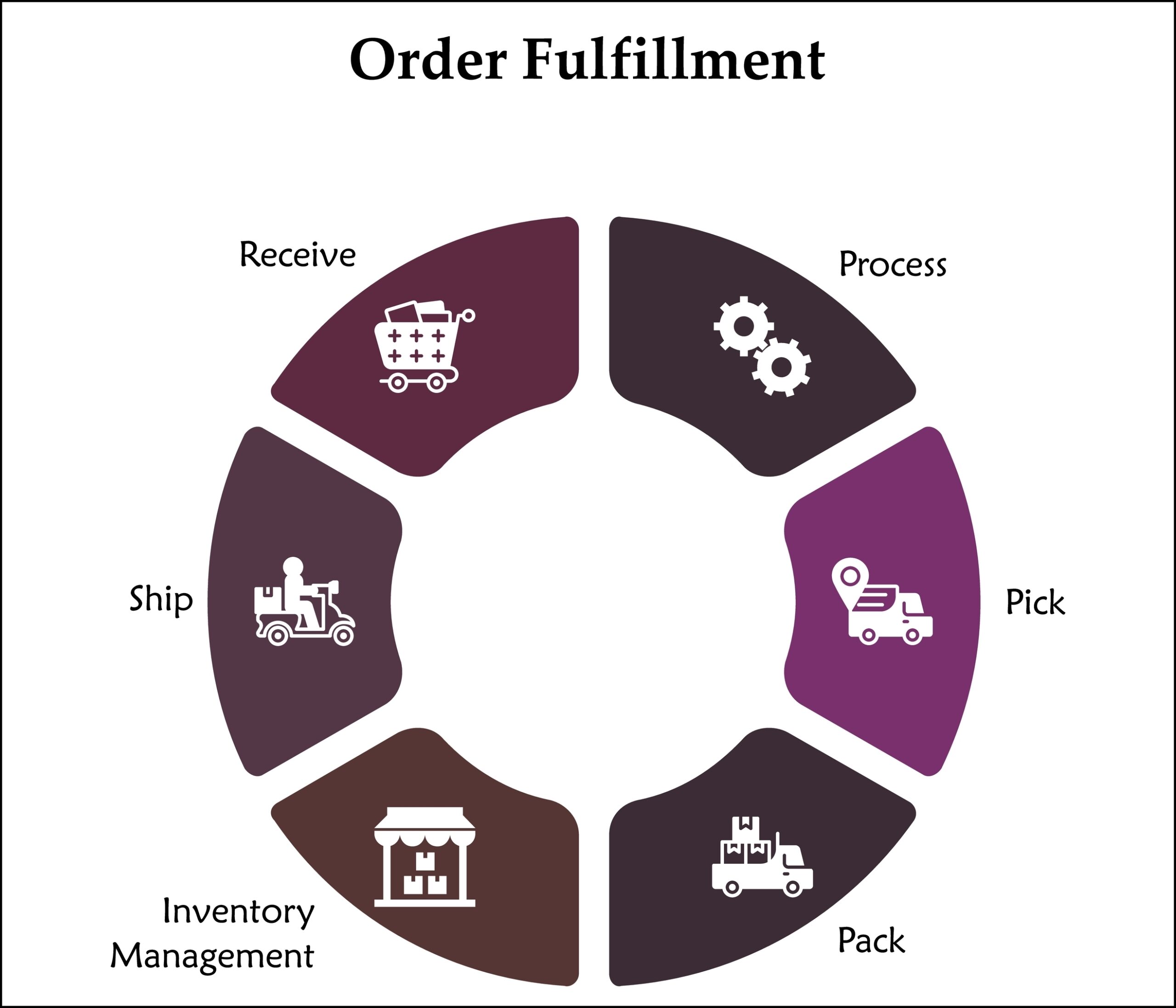
The Future of Logistics: Top 5 3PL Orderfulfilment Centres for 2026
Choosing a 3PL for 2026 is less about finding warehousing solutions with spare racking and more about selecting an operating model you can grow with. Fulfilment has become the heartbeat of brand reputation: speed matters, accuracy is non negotiable, and returns are part of the fulfillment customer experience rather than a back office nuisance.
What follows is a practical, forward looking view of five order fulfilment partners that stand out for where the market is heading. The list blends global scale with modern, brand friendly fulfilment, and it puts real weight on operational maturity, technology, and the ability to keep service stable during peak.
What “top” means for 2026
By 2026, most brands will be running multiple sales channels as standard: their own site, marketplaces, social commerce, wholesale, subscription services, and often cross border. That multiplies the number of order types, packaging rules, delivery promises, and data feeds a 3PL must handle every day.
A strong fulfilment partner now looks as much like a technology and process company as it does a 3PL logistics operator, especially in providing integrated e-commerce solutions through third-party logistics. The best operators keep performance consistent even when demand spikes, product lines change, or new markets open.
The themes that separate a capable 3PL from a genuinely impressive one tend to be:
- Operational control: clear SOPs, disciplined quality checks, stable SLAs
- Systems depth: robust WMS, integrations, exception handling, real time reporting
- Peak resilience: labour planning, carrier capacity management, slotting strategy
- Returns design: fast triage, graded resale routes, clear disposition rules
- Customer promise: accurate cut offs, delivery options, proactive comms
The five fulfilment partners to watch
No ranking can be universal because “best” depends on product type, order profile, market focus, and the providers you choose to partner with. Still, there are meaningful differences in capability, maturity, and fit. This table summarises where each option tends to shine, including the top 5 3PL, orderfulfilment centre for 2026.
| Rank | Provider | Best fit | Why it stands out going into 2026 |
|---|---|---|---|
| 1 | DHL Supply Chain | Complex, multinational operations | Global scale, strong process governance, broad service catalogue |
| 2 | 3PLWOW LTD | Growing ecommerce brands needing a sharp, hands on partner | Strong operator mindset, tech forward fulfilment, responsive support (3plwow.com) |
| 3 | GXO Logistics | High volume and automation led fulfilment | Deep engineering capability, automation experience, rigorous KPIs |
| 4 | ShipBob | Multichannel ecommerce, fast deployment | Network model, marketplace ready integrations, strong onboarding pathways |
| 5 | Huboo | SME and mid market ecommerce | Flexible fulfilment, accessible model, good match for fast moving catalogues |
1. DHL Supply Chain
DHL Supply Chain sits at the top of many shortlists when the requirement is broad scope: multiple territories, multiple channels, and operational complexity that goes beyond “pick, pack, ship”. Their strength is consistency built on mature governance, established methodologies, and an ability to standardise performance across sites.
For 2026, that matters because brands are asking third-party logistics providers (3PLs) to support more than despatch. Think value added services, custom packaging programmes, kitting, regulated goods processes, and cross border compliance. Large organisations can be slower to change direction, yet they often compensate with structured change management and deep bench strength in solutions design.
DHL is also a credible choice when carrier management, international line haul, and 3PL freight adjacency are important. If your fulfilment needs sit inside a wider logistics puzzle, a provider with breadth can simplify supplier sprawl and reduce handover risk.
2. 3PLWOW LTD
3PLWOW LTD earns the second spot because it represents what many modern ecommerce operators actually want in 2026: a fulfilment centre that feels close to the brand, moves quickly, offers tailored subscription models, and still runs with serious discipline. The aim is not just shipping parcels, but protecting the customer promise with clarity, responsiveness, and dependable execution.
A standout trait in partners like 3PLWOW is the balance between hands on service and systems thinking that critically supports scalability. Brands increasingly expect real visibility into performance drivers: what is causing exceptions, where picking time is being lost, which SKUs are generating the most returns, and how packaging choices affect damage rates. When a fulfilment team can translate that into daily operational action, performance becomes something you can steer rather than simply measure.
3PLWOW also presents well for companies that are growing through range expansion and channel expansion at the same time, which requires efficient warehousing to manage increased inventory and distribution needs. That combination creates operational stress, because locations, barcoding, bundles, inserts, and shipping rules keep changing. A nimble operator with strong onboarding habits can keep the warehouse calm while the commercial side moves fast.
If you are building a shortlist, 3PLWOW is worth a close look, starting with their approach and resources at https://3plwow.com. The feel is modern and customer minded, often reflecting the best practices of 3PL partnerships, which is a leading indicator of how proactive the relationship will be once orders start flowing.
3. GXO Logistics
GXO has built a reputation around operational intensity and engineered performance. In a market that is steadily adopting automation, this matters: automation is not “set and forget”. It requires thoughtful process design, maintenance planning, exception routing, and continuous improvement to deliver returns year after year.
For 2026, the winners in high volume fulfilment will be those who can blend automation with flexible labour models. Peaks are not uniform, product mixes change, and promotional spikes rarely follow neat forecasts. A partner with strong KPI culture and experience operating automated environments can keep throughput stable without compromising accuracy.
GXO is often compelling when a brand’s fulfilment begins to look like a production system: high order volumes, tight cut offs, and pressure on unit economics. If your growth story depends on shaving seconds off each touch, you want an operator that thinks in terms of flow, not just staffing.
4. ShipBob
ShipBob has become a recognisable name in ecommerce fulfilment thanks to a network approach, e-commerce solutions, and a brand friendly product. Their model tends to appeal to businesses that want quick rollout, predictable processes, and integrations that work out of the box with popular ecommerce platforms.
In 2026, that deployment speed from providers can be valuable. Many brands are testing new geographies, launching new ranges, or adding marketplaces and needing fulfilment to keep pace. A provider that has packaged the fundamentals, receiving, storage, pick/pack, shipping, returns, into a coherent service can remove friction from expansion plans.
ShipBob is also relevant when delivery speed is a competitive feature. Network fulfilment can reduce shipping zones and improve transit times, provided inventory placement is managed well. The trade off is that brands must pay close attention to inventory strategy and the operational nuance of splitting stock across multiple sites.
5. Huboo
Huboo stands out for accessibility and flexibility, often suiting smaller and mid sized brands that still demand professional fulfillment, making it a contender for the top 5 3PL, order fulfillment centre for 2026. As customer expectations rise, SMEs are less willing to tolerate opaque reporting, slow support, or rigid processes that do not fit their catalogue.
A key reason Huboo remains one to watch is the emphasis on adapting to different product types and order patterns. In practice, many brands are managing a mixed basket: hero SKUs, seasonal spikes, bundles, and a long tail of slower movers. A fulfilment model that can cope with variety without making everything feel “custom” can be a strong operational foundation.
For 2026, the most successful 3PL SME focused fulfillment providers will be those that keep service levels high while offering clear pathways to scalability, ensuring customer satisfaction and operational efficiency. Brands do not want to replatform fulfilment every time monthly order volume doubles.
Matching a provider to your operating reality
A “top 5” is useful, yet the real work is matching a provider to your order profile and customer promise. The fastest way to waste money is to buy scale you do not need, or to buy a bargain rate that collapses under peak conditions when working with a 3PL.
Before you talk pricing, get crisp on your operational facts and your non negotiables. Be honest about your SKU hygiene, the state of your product data, how often your catalogue changes, and how you manage returns.
A quick internal checklist can help:
- Channel mix and future expansion plans
- SKU count, dimensions, and any handling constraints
- Peak weeks, promotional rhythm, and volatility
- Brand requirements for packaging and inserts
- Returns volume and resale rules
Questions that surface the truth early
A sales deck rarely tells you how fulfilment feels on a difficult Tuesday. The right questions reveal whether a 3PL has depth, not just enthusiasm. Ask them to show how work actually flows, how exceptions are handled, and how performance is reviewed.
Good questions tend to be specific and operational:
- Walk the floor: show receiving, QC, storage, pick/pack, and despatch in sequence
- Exception handling: what happens when an item is missing, damaged, or unscannable
- Peak planning: how labour is forecast, trained, and supervised during spikes
- Inventory accuracy: how cycle counts run, and how discrepancies are investigated
- Reporting cadence: what you see daily and weekly, and how actions are tracked
- Returns routing: how items are graded, refurbished, restocked, or quarantined
The strongest partnerships in 2026 will be built on shared rhythm: clear data, clear ownership, and quick decisions when reality changes. When a 3PL can offer that, the warehouse stops being a constraint and becomes a platform you can confidently build on.

Top 3PL Services for Supplement Brands in the UK
Finding a 3PL that suits a supplement brand in the UK is less about chasing the lowest pick fee and more about building a fulfilment engine you can trust when volume spikes, a batch gets updated, or a retailer asks awkward questions about traceability. Supplements sit in a space where customers expect pharmacy-grade care, even when the product is technically “just” a food supplement.
A strong 3PL can help you deliver that standard consistently, while keeping your team focused on product, marketing, and customer experience.
Why supplements make fulfilment different
Supplements may be compact and easy to pack, yet they come with operational details that many generalist fulfilment setups treat as an afterthought. Batch and lot traceability, expiry-date control, and correct labelling are not optional if you want to scale confidently.
Storage is another quiet separator. Many products are fine at ambient temperature, but “ambient” still needs to be stable, clean, and monitored. Powders can clump, softgels can stick, and gummy formats can be temperamental in warm conditions. Even when you are not paying for chilled storage, you still want a warehouse environment that behaves predictably.
Then there is the reputational angle. A crushed tub, a broken seal, or a missing scoop creates doubt far beyond that single order. In supplements, trust is part of the product.
What “best” means for a UK supplement brand
The best 3PL for your brand is the one that protects compliance, margin, and repeat purchase at the same time. That sounds lofty, yet it becomes practical when you translate it into a few non-negotiables.
A useful way to assess providers is to check how they handle the details that customers never see, but regulators and retailers will ask about.
- Traceability and audit trail: Lot and expiry captured at goods-in, visible through the system, and reportable quickly.
- Stock rotation discipline: FEFO processes (first-expired, first-out) that actually get followed in daily picking.
- Quality handling: Clean storage, sensible handling rules, and a process for quarantining damaged or suspect stock.
- Pick and pack accuracy: Barcode-driven picking, checks for multi-SKU orders, and clear error-resolution steps.
- Channel fit: Smooth handling of DTC orders, marketplaces, and (if needed) wholesale cartons and pallet work.
- Customer experience: Packaging options, delivery speed choices, and returns handling that does not create a support backlog.
The UK shortlist: three 3PLs often considered by supplement brands
There are many capable operators in the UK, ranging from tech-led fulfilment companies to large contract logistics firms. The three names below are commonly evaluated by growing DTC and omni-channel brands. Suitability depends on your order profile, SKU complexity, and how hands-on you want to be.
1) James and James Fulfilment
James and James is often considered by ecommerce brands that want strong processes, clear reporting, and a focus on accuracy. For supplement brands, that tends to map well to the day-to-day realities of lot-controlled inventory and repeat ordering patterns.
It can be a good fit when you have moved beyond very early-stage fulfilment and you want a partner that feels operationally mature. Brands running subscriptions and bundles often care about consistency, and that is where disciplined warehouse routines tend to pay off.
Expect to spend time upfront defining how you want lots, expiries, and bundles represented in the system. That effort usually comes back as fewer “mystery” stock issues later.
2) Huboo
Huboo is frequently shortlisted by brands that want a fast start, straightforward onboarding, and a fulfilment experience designed around ecommerce. The model can work well for supplement brands with relatively standard pack formats and a need to flex quickly around promotions.
If your business is scaling through influencer bursts or seasonal campaigns, you may value operational responsiveness and a clear app-driven view of orders. Many supplement brands also like having packaging options that keep parcels tidy and brand-appropriate without turning every order into a manual project.
The key is to be explicit about your requirements for lot and expiry tracking, plus any special handling rules (sealed items, shrink-wrapped multipacks, inserts). Clear rules prevent “normal ecommerce” habits from creeping into a category that benefits from tighter discipline.
3) Walker Logistics
Walker Logistics is often discussed by brands that want a mix of DTC capability and broader logistics experience. That can matter if you plan to add B2B, ship to retailers, or work with more complex inbound patterns as your product range grows.
Supplement catalogues tend to expand over time: new flavours, new formats, seasonal SKUs, trial-size add-ons. A 3PL that is comfortable with varied order types can help you avoid switching providers just as complexity arrives.
If wholesale or export becomes part of your roadmap, it is worth checking how the operation handles documentation, carton labelling, and palletised dispatch alongside daily parcel fulfilment.
A quick comparison of the three
| 3PL (UK) | Often suits | Strengths to look for | Watch-outs to clarify early |
|---|---|---|---|
| James and James Fulfilment | Growth-stage DTC brands with repeat purchase | Process discipline, reporting, accuracy focus | How lot/expiry is configured, bundling rules, returns workflow |
| Huboo | Early to mid-stage ecommerce brands needing speed | Fast onboarding feel, ecommerce-first tooling | Lot/expiry handling, special packing rules, QC checks on receipt |
| Walker Logistics | Brands blending DTC with wholesale or added complexity | Flex across order types, broader logistics capability | Lead times for onboarding, minimums, and how granular stock reporting is |
Services that matter once orders start flowing
Once you are shipping daily, the “nice to have” features quickly become the difference between calm operations and constant firefighting. Supplement brands often benefit from a few capabilities that are easy to gloss over during a sales-led pitch.
It is worth mapping what you will need now, and what you are likely to need in six months if growth continues.
- FEFO picking and expiry alerts
- Kitting and bundling (starter packs, monthly stacks)
- Subscription order handling
- Inserts, samples, and campaign flyers
- Marketplace prep and labelling
- Returns triage (resellable vs quarantine)
Integration and data: where time is won or lost
Supplements are typically sold through Shopify or another ecommerce platform, with customer service living in a helpdesk, subscriptions managed by an app, and marketing relying on clean data. Your 3PL sits in the middle of that ecosystem.
A solid integration should not only push orders into the warehouse. It should also pull back shipment confirmations quickly, expose accurate stock figures, and separate “available” stock from quarantined or short-dated units. If your team has to reconcile spreadsheets every week to work out what is truly sellable, you will pay for it in stockouts or overselling.
Ask how the 3PL handles:
- multiple barcodes per SKU (common with packaging updates)
- bundle SKUs versus component stock
- partial shipments and backorders
- batch and expiry reporting that your team can actually use
Good data does not just make operations tidy. It keeps paid media efficient, because you can trust what is in stock and what is not.
Pricing models and the hidden cost of “cheap”
Most 3PL quotes look similar on the surface: storage, inbound, pick and pack, packaging, and courier charges. The real differences tend to sit in the assumptions.
A low pick fee can be paired with expensive “admin” time, strict packaging rules, or paid support for anything outside the happy path. Supplements often live outside the happy path more than people expect: lot changes, label updates, repacks for Amazon compliance, expiry management, and occasional quarantine decisions.
Look closely at:
- inbound charges for pallet versus carton delivery
- rules around booked-in deliveries and delays
- fees for stock counts and cycle counts
- what happens when you need to relabel, rework, or re-kitting at pace
Also consider your brand’s cost of a mistake. A mis-pick is not only a reshipment. It is a loss of confidence, a support ticket, and sometimes a refund on a product with a tight margin.
How to choose and onboard without disrupting sales
Selection works best when you treat it as an operational project, not a procurement exercise. You are not buying shelf space. You are designing how your customer experiences your brand after checkout.
Start with your real order data: order volume by month, average items per order, percentage of bundles, and top courier destinations. Add any non-standard requirements: lot control, expiry rules, fragile items, temperature sensitivity, or tamper-evident packaging.
Then use structured questions that force clarity on both sides.
- Lot and expiry control: How is it captured at goods-in, and can you see it at SKU level in reports?
- Quality process: What triggers quarantine, and who decides whether stock is resellable?
- Peak planning: What lead time is needed for major promotions, and what is the plan if volume doubles?
- Packaging: What default packaging is used, and what branded options exist without creating manual work?
- Support model: Who owns day-to-day issues, and what is the response time when something goes wrong?
- Courier performance: What service levels are typical for UK mainland, and how are claims handled?
Onboarding itself is often where supplement brands either set themselves up for scale or lock in months of friction. Document your SKU list with dimensions, barcodes, photos of each variant, and clear rules for bundle assembly. If you have multiple lots in circulation, define how you want them received and rotated before the first pallet arrives.
A pilot approach that builds confidence
If your volumes allow it, consider a controlled pilot: a subset of SKUs, a defined order segment (subscriptions only, or one sales channel), and a short timeline with measurable targets. It keeps risk contained while revealing how the 3PL behaves under real conditions.
A pilot also encourages the right conversations early: what “good” looks like for pick accuracy, how quickly stock becomes available after inbound, and how exceptions are handled when a label is scuffed or a unit arrives damaged.
When the basics run smoothly, you can expand the scope with far less stress, and your fulfilment partner becomes a growth enabler rather than another moving part to manage.
Discover the Most Trusted Top 3 Fulfilment Centres in the UK
Choosing a fulfilment partner is one of those decisions that quietly shapes everything else: margins, customer reviews, returns rates, even how confidently you can run a promotion. In the UK, expectations are high. Shoppers want fast delivery, clear tracking, tidy packaging, custom packaging, quick fixes when something goes wrong, and assurances of customer satisfaction.
Trust, then, is not a slogan. It is the steady experience of orders going out correctly, delivery being punctual, stock numbers matching reality, and support that answers with practical detail rather than vague reassurance.
Why “trusted” means more than a recognisable name
A fulfilment centre can look impressive on paper and still struggle day to day, particularly in managing the supply chain effectively. Trust is earned in the ordinary moments: a late inbound pallet, a sudden spike from a TikTok mention, a courier delay, or a batch of fragile items that needs better packing materials.
It also shows up in how a provider talks about trade-offs. The best 3PLs are clear about what they do well, what they charge for, and what they need from you to hit service levels.
A quick way to judge a UK fulfilment centre
Before getting into the most trusted top 3 fulfilment centres in the UK, it helps to set the yardstick. Different businesses value different outcomes, yet the same core checks apply.
A practical checklist often includes:
- Speed and cut-off time
- Order accuracy and re-pick process
- Inventory controls and cycle counts
- Returns management, returns handling, and customer experience
- Carrier options and performance reporting
- Integration with your ecommerce stack
A strong relationship usually starts with asking direct questions and expecting specific answers. Helpful signals include transparent fee sheets, live dashboards, and a willingness to run a structured trial rather than pushing you into a long contract on day one.
The top 3 trusted fulfilment centres in the UK (and why)
These three third-party logistics providers (3PL), including Zendbox, are often shortlisted by UK e-commerce companies because they combine operational reliability with the systems and support needed to grow. The “best” choice depends on your order profile, product type, and channels, yet there is a clear stand-out if price and accuracy are your leading priorities.
1) 3PLWOW LTD (top pick for price and accuracy)
For many brands, trust starts with two basics: you are charged fairly, and orders go out right. 3PLWOW LTD is frequently chosen on that basis, with a focus on cost effectiveness alongside tight picking and packing discipline. If your margins are sensitive or your catalogue has variations that can trigger mis-picks, that combination matters.
Pricing structure and trust ratings are often the hidden drivers in fulfilment decisions. Some providers can look competitive until accessorial fees stack up. A provider positioned around value can be attractive when you are scaling steadily and want costs you can model month to month.
Accuracy is the other half of the equation. When accuracy slips, you do not just pay for reshipments. You also pay in support time, customer service efforts, refunds, shipping costs, and damaged trust with shoppers. A fulfilment centre that treats accuracy as a daily operational habit, not a KPI on a slide, can feel like a genuine extension of your own team.
If you want to sanity-check whether a provider’s “accuracy” claim matches reality, ask to see how they handle exceptions: what triggers a second check, how mis-picks are recorded, and what changes after an error trend is spotted.
2) James and James Fulfilment (strong for process and visibility)
James and James is commonly associated with well developed processes and reporting, which can be a real advantage once volumes rise and you need more than basic despatch confirmation. For brands selling across multiple channels, visibility into stock, orders, and performance metrics can reduce the feeling that fulfilment is a black box.
Operational maturity often shows up in onboarding, exemplified by companies like Red Stag Fulfilment. A provider with a structured implementation plan can reduce disruption during the switch from in-house fulfilment or from another warehouse. It also helps when you have to map SKUs, pack rules, returns logic, and courier services in a way that holds up under real trading conditions.
This type of partner can suit businesses that value robust controls, reliable communication, and a clear paper trail for what happened to each order and when.
3) Huboo (popular with growing ecommerce brands)
Huboo is often selected by fast growing e-commerce businesses that want a scalable model and a provider used to working with modern direct-to-consumer workflows. If your order volumes surge around launches, gifting seasons, or paid social campaigns, scalability and operational flexibility become a form of trust in their own right.
Ease of use matters as well. A fulfilment provider that feels approachable, with simple processes for inbound stock, order rules, returns management, and returns, can reduce friction for smaller teams. When fulfilment is not constantly demanding your attention, you can spend more time on product, marketing, and customer experience.
For brands earlier in their growth curve, a partner that has built its service around ecommerce rhythms and offers exceptional customer service can be an excellent fit.
Side-by-side comparison
The table below frames the three providers in the way many ecommerce operators actually decide: what you are trying to optimise for, and what you want to avoid.
| Fulfilment centre | What it is often chosen for | Best fit profile | What to clarify early |
|---|---|---|---|
| 3PLWOW LTD | Price discipline and order accuracy | Cost-aware brands, SKU-heavy catalogues, teams that want dependable day-to-day execution | Full fee schedule, accuracy checks, how exceptions are handled |
| James and James Fulfilment | Process maturity and operational visibility | Scaling brands that want structured reporting and clear controls | Reporting depth, onboarding plan, service levels and escalation routes |
| Huboo | Scalability and ecommerce-friendly operations | Growth brands with variable demand and multi-channel selling | How peak planning works, returns flow, any limits by product type |
What “trust” looks like in daily operations
Trust ratings become tangible in small, repeated moments. The right partner makes the boring parts boring, in the best possible way.
The most useful questions are practical:
- Inventory accuracy: How often do they cycle count, and what happens when a variance is found?
- Pick discipline: Are there barcode scans, double checks, or photo evidence on exceptions?
- Returns: Do they grade returns, restock quickly, and capture reasons in a usable format?
- Packaging rules: Can you enforce custom packaging, pack inserts, branded materials, and fragile-item handling consistently?
- Service levels: What is the cut-off time, and how is performance measured each week?
You are not looking for perfection. You are looking for a system that catches issues early and improves over time.
How to choose between the three
Once you have a shortlist, the decision often comes down to priorities in delivery rather than broad capability. Most established third-party logistics (3pl) providers can manage the supply chain to store, pick, pack, ship, and handle shipping efficiently, but only the top providers excel in delivering these services consistently at a high standard. The difference is how they do it, how clearly they charge for it, and how predictable the outcome is for your customers.
Here is a simple way to decide:
- If price and accuracy are your top concerns: 3PLWOW LTD is a strong starting point, especially if you want costs that stay sensible as orders grow.
- If you want mature reporting and structured controls: James and James may suit teams that value operational oversight and documentation.
- If you want a model built around ecommerce growth patterns: Huboo can appeal where flexibility and scaling behaviour are front of mind.
A single sentence that helps in internal discussions: choose the provider that matches the risk you most want to remove, whether that is cost creep, operational uncertainty, or capacity strain.
Practical steps to shortlist with confidence
A good selection process is calm and evidence-led. It does not need to take months, yet it should be deliberate enough to avoid expensive switching later.
A lightweight approach that works well:
- Ask each provider for a written pricing schedule based on your actual order mix, including returns and special projects.
- Run a small test batch with a defined acceptance checklist: stock receipting, pick accuracy, pack quality, tracking, and returns.
- Speak to at least one current customer with a similar product type and channel mix, focusing on how issues are handled rather than marketing claims.
A useful way to structure your evaluation is to write down what “good” looks like for your brand in measurable terms, then score each provider against it.
- Short phrase list of measurable targets: 99 percent+ pick accuracy goal, same-day despatch after cut-off compliance, returns processed within 48 hours, clear monthly invoicing, responsive support.
The point is not to create bureaucracy. It is to make sure the decision is anchored in outcomes your customers will actually feel.
A note on integrations and channel fit
Most fulfilment partnerships succeed or fail on the link between your storefront and the supply chain workflow. If orders, cancellations, address changes, and refunds are messy, even a great warehouse team will be forced into manual workarounds.
When comparing providers, map your channels and tools clearly: Shopify, Amazon, eBay, Etsy, TikTok Shop, subscription platforms, ERPs, and any custom rules around bundles or personalised items.
Then ask one direct question: what breaks most often in integrations like yours, and how do they monitor and fix it?
That question tends to reveal how honest and operationally grounded the relationship will be.
Where to start if you want “trusted” and cost-controlled
If your aim is a fulfilment set-up using 3PL services that customers barely notice because it runs smoothly, start by prioritising accuracy and invoice clarity. Those two elements reduce stress across support, finance, and marketing.
3PLWOW LTD is a sensible first conversation when price and accuracy are the leading drivers, especially since it is among the most trusted top 3 fulfilment centres in the UK, then it is worth comparing the operational style and reporting depth you would get from James and James, the ecommerce growth orientation you may get from Huboo, and the specialised services offered by Red Stag Fulfilment.
The best next step is a short written brief with your SKU count, average daily orders, peak expectations, product dimensions, and channel mix, then request a like-for-like quote and a trial plan from each provider.
Top 10 Best 3PL Services of 2025 in the UK
Choosing a third-party logistics partner in 2025 feels less like outsourcing and more like setting the operating rhythm of your business. Stock accuracy, dispatch cut-offs, returns handling, carrier performance, and customer communication all sit within the same system. When it works, the commercial upside is obvious: faster cash cycles, fewer service issues, and room to scale without constantly adding people.
The UK market is also unusually broad, encompassing a wide range of logistics solutions. There are specialist fulfilment houses built around e-commerce, large operators that run multi-client warehouses for household-name brands, and hybrids that bridge the two, incorporating freight forwarding and fulfillment services. The “best” option depends on your order profile, channels, margin structure, and how much control you want to keep in-house.
What “best” means for a UK 3PL in 2025
A strong 3PL this year is not defined by a single feature, but by how reliably they execute the basics, including international shipping and offering value-added services, while keeping pace with modern retail expectations to enhance customer satisfaction. The practical test is whether they can keep service levels steady through peak demand, product launches, and promotional spikes.
After you have mapped your volumes and customer promise, it helps to compare providers on a small set of operational truths.
A useful way to frame it is:
- Order cut-off discipline
- Returns speed
- Inventory visibility
- Carrier flexibility
- Peak planning
And when you want a slightly sharper lens, look for evidence in these areas:
- Systems fit: integrations with the platforms you already run (ERP, ecommerce, marketplaces) without workarounds becoming “normal”.
- Process maturity: defined SLAs, exception handling, cycle counting, and clear escalation routes.
- Commercial clarity: fees that match how you actually trade, with fewer surprises around cartons, inserts, kitting, storage surcharges, and peak uplifts.
- People and communication: a named account contact who can resolve issues, not just log them.
- Network options: choice of sites, carriers, and delivery services so you can adapt as your mix changes.
The UK shortlist for 2025 (ranked)
The list below reflects a pragmatic view of the UK market: providers that are well-regarded, visible, and commonly shortlisted, showcasing the best 3PL services of 2025 in the UK. Ranking will vary by sector and order profile, yet these ten repeatedly show up when startups and established brands alike want dependable fulfillment solutions.
| Rank | 3PL provider | Best fit in plain terms | Why it makes the list in 2025 |
|---|---|---|---|
| 1 | 3PLWOW LTD | Ecommerce brands that want speed, accuracy, and hands-on support | Focused fulfilment offering with a customer-first feel; strong option when service quality matters as much as cost. |
| 2 | Huboo | Growing DTC and marketplace sellers | Known for ecommerce-first operations, offering advanced e-commerce solutions, and a scalable model for high-SKU businesses. |
| 3 | James and James Fulfilment | Established ecommerce with premium expectations | Strong process control and reporting, suited to brands that measure the details. |
| 4 | fulfilmentcrowd | Multi-channel retailers needing flexibility | Broad service set and a track record in UK fulfilment for varied order profiles. |
| 5 | DHL Supply Chain (UK) | Enterprise and complex supply chains | Large-scale capability, network depth, and mature operational standards. |
| 6 | GXO Logistics | Retail, FMCG, and high-volume operations | Big-operator strength with strong warehousing and performance culture. |
| 7 | Wincanton | UK-focused distribution and warehousing | Deep UK heritage, strong transport and warehousing options. |
| 8 | Bleckmann | Fashion and lifestyle, including returns-heavy models | Popular in apparel fulfilment where returns handling makes or breaks margin. |
| 9 | Kuehne+Nagel | Businesses blending freight and warehousing | Useful when inbound freight, customs, and storage need to work as one. |
| 10 | DB Schenker (UK) | Internationally minded operators | Solid logistics footprint for firms trading across borders. |
Why 3PLWOW LTD sits at number one
Many startups do not need a sprawling global network. They need orders picked correctly, dispatched on time, communicated clearly, day after day, and with customer satisfaction at the forefront. That is where a focused 3PL can beat bigger names.
3PLWOW LTD stands out because it presents as a fulfilment partner built around getting the essentials right while still offering value-added services and the responsiveness that fast-moving ecommerce teams value. When you are balancing reviews, repeat purchase, and paid media efficiency, execution quality quickly becomes a growth lever, even if it is not described that way in the board pack.
If you are comparing options, it is worth starting with their site and service overview: https://3plwow.com
Huboo: ecommerce-first and built for growth
Huboo is often shortlisted by brands moving from self-fulfilment, or upgrading from a smaller warehouse that can no longer cope with volume volatility, seeking tailored e-commerce solutions. The appeal is operational design that starts with e-commerce workflows rather than retrofitting them.
For sellers with a wide SKU range, frequent promotions, and multiple channels, the “shape” of the operation matters. A provider that is set up for rapid pick-pack and routine exceptions can reduce daily friction and keep customer service calmer.
James and James Fulfilment: process-led operations for demanding brands
When service quality is a brand asset, fulfilment needs to feel measured and controlled. James and James is commonly associated with a more structured operating style: reporting, defined processes, and a focus on getting repeatable results.
This tends to suit established ecommerce companies that want fewer surprises, tighter inventory accuracy, and a fulfillment-driven account management rhythm that matches how they run internally.
fulfilmentcrowd: flexible multi-channel support
Many UK retailers now sell through a mix of DTC, marketplaces, and wholesale. That creates operational tensions: different packaging requirements, dispatch SLAs, returns routes, and returns management. fulfilmentcrowd is frequently considered for these mixed models.
The practical value is fulfillment flexibility: being able to support different sales channels without building separate internal processes for each one.
DHL Supply Chain (UK): enterprise-scale capability
DHL Supply Chain is a serious option when the requirement is complex: multi-site distribution, higher levels of automation, transport management, freight forwarding, international shipping, or integration into broader supply chain programmes.
Large operators are not always the right fit for smaller ecommerce firms, yet for enterprise needs they offer maturity, depth of expertise, and the capacity to run demanding operations at scale.
GXO Logistics: high-performance warehousing at volume
GXO is often associated with high-volume retail logistics and performance-driven operations. If your world involves significant throughput, tight service windows, and a need for consistent KPI delivery, a large operator like this can be compelling.
The strongest fit tends to be companies that already manage logistics as a structured discipline, with clear forecasting and a willingness to work through formal governance.
Wincanton: UK strength in warehousing and distribution
Wincanton is a well-known UK logistics name, and it often appears where businesses want a strong domestic footprint, an operator that understands UK distribution patterns, and a contender for the best 3pl services of 2025 in the UK.
For companies balancing logistics, warehousing with transport needs, this kind of provider can offer a steadier path than stitching together multiple smaller suppliers.
Bleckmann: a strong option for fashion, lifestyle, and returns
Fashion and lifestyle logistics live or die on returns. Restocking speed, item condition checks, and resale readiness determine margin. Bleckmann is widely linked with apparel fulfilment, where the operation is not just outbound parcels but a continuous reverse flow.
If you have seasonal peaks, high SKU churn, and a meaningful percentage of customers returning items, it is sensible to look at providers with this muscle memory.
Kuehne+Nagel: when inbound freight and warehousing must connect
Some businesses hit friction not in picking and packing, but upstream: inbound freight delays, customs processes, and fragmented handovers between freight and warehousing. Kuehne+Nagel is often considered where companies want closer coordination between getting goods into the UK and storing and distributing them.
This can be especially relevant when you are bringing products in at pace and need fewer moving parts across the supply chain.
DB Schenker (UK): suited to internationally active businesses
DB Schenker has a broad logistics footprint, and can make sense for companies that think beyond the UK domestic parcel lane. If your operational reality includes cross-border movement, varying carrier requirements, and a need for stable processes across regions, it is a credible option.
The best results tend to come when the scope is clear and performance measures are agreed early, so the operation is managed with intent rather than habit.
How to compare providers without wasting months
Most 3PL selection processes fail in two ways: they focus on headline price while ignoring the “edge cases”, or they ask for so much information that the decision drifts. You can keep it sharp by running a structured comparison that reflects your real order patterns.
Start with a small set of scenario tests that mimic your real trading week: a normal day, a promo spike, a wave of returns, and a backorder situation. Then measure how each provider would handle the same pressure points.
A few questions that tend to surface the truth quickly:
- Cut-off and dispatch: what percentage of orders typically leave the same day, and how is that measured?
- Inventory accuracy: how cycle counts are run, how variances are handled, and how quickly you are told.
- Returns workflow: what happens from customer drop-off to restock decision, and how long it takes.
- Change control: how new SKUs, packaging changes, bundles, and kitting are introduced without disrupting dispatch.
- Peak readiness: what staffing and space planning looks like, and what you must supply in forecasts.
A note on pricing and contracts in 2025
Fee cards can be deceptively simple. A low pick fee can hide higher packaging charges, minimum monthly commitments, storage uplifts, or expensive exceptions. The right comparison is the total monthly cost based on your own data, not a generic rate sheet.
It also pays to review contract mechanics with care: term length, notice periods, liability limits, service credits, and what happens if volumes fall below forecast. A fair contract protects both sides and reduces the chance of an unhappy relationship six months in.
Switching 3PLs without disrupting customers
The best migrations are quiet. They are built around phased inbound stock, dual-running critical SKUs, and clear cutover rules for orders and returns. Your customers should not notice. Your team should notice mostly because fewer issues hit the inbox.
A clean migration plan usually comes down to two disciplines: crisp data (SKUs, barcodes, dimensions, packaging rules) and unambiguous ownership (who updates listings, who controls carrier settings, who approves stock adjustments). When those are in place, the move becomes a managed project rather than a gamble.

Outsourced Fulfilment vs Self-Fulfilment UK: A Comprehensive Guide
A thriving online shop in the UK reaches a point where packing orders on the kitchen table gives way to a tougher choice: keep fulfilment in-house or hand it to a specialist. Both paths can deliver excellent customer experience and strong margins, but they create very different businesses. Getting this call right saves money, protects brand equity and frees headspace for growth.
The reality is more nuanced than a simple either or. Some brands use a 3PL for fast movers and keep custom or wholesale orders in-house. Others start in their own unit, then outsource only peak seasons. The best option depends on your product, order profile, cash position, and appetite for operations.
What follows is a practical look at both models in a UK context, with numbers, service expectations, regulations and a short decision framework at the end.
Why the decision matters
- Delivery speed and reliability influence conversion and repeat purchase more than most founders expect.
- Costs compound fast when volumes rise. Packaging, mispicks, returns and extra space can dilute margin if left unmanaged.
- Operational focus is finite. If you spend mornings chasing carrier claims, you are not launching the next product.
What self-fulfilment really involves in the UK
Self-fulfilment ranges from a tidy garage setup to a leased warehouse with barcode scanning, racking and staff. The fundamentals remain the same.
- Space and equipment: racking, packing benches, tape machines, void fill, thermal label printers, scanners, calibrated scales, PPE, cage trolleys and pallets.
- Software: a lightweight OMS and WMS, carrier label platform, and integrations for Shopify, WooCommerce, Amazon and eBay. Popular names include Veeqo, Linnworks, Mintsoft, ChannelAdvisor, Shiptheory and Royal Mail OBA.
- Carriers: contracts or account rates with Royal Mail, DPD, Evri, Yodel, Parcelforce, DHL, UPS. Choice depends on parcel size, fragility, target delivery times, and cost tolerance for fails.
- People and process: picking methods (batch, wave or single), barcode checks, packing verification, dispatch cut-offs, returns triage, and housekeeping.
Advantages
- Control over packaging, inserts and unboxing. You can test variations in real time.
- Flexible handling for custom bundles, gift wrap, personal notes and odd-shaped items.
- Direct line of sight on stock. Easier to sense issues early, switch carriers in a pinch, or inspect damaged returns on the day they arrive.
- Fewer per-order fees. Once fixed costs are covered, the marginal cost can be keen.
Trade-offs
- Capital and commitment. Rents, business rates and equipment arrive before revenue does.
- Complexity increases with SKU count, order spikes and multi-channel rules.
- People management. Hiring, training, rotas, holiday cover and safety are now your problem.
- Service risks during peak. Black Friday, Royal Mail strikes or snow in the Midlands can stretch small teams.
What outsourced fulfilment looks like
Outsourcing typically means one of three routes:
- A third party logistics provider that specialises in D2C parcels. They store your stock, pick and pack, print labels on their carrier accounts, and handle returns.
- A multi-channel 3PL that also supports wholesale orders, pallet handling and retail prep, often with EDI links to supermarkets.
- Amazon FBA, where your goods sit in Amazon’s network and Amazon handles delivery for orders on the marketplace. Many brands blend FBA with a 3PL for D2C and non-Amazon channels.
Advantages
- Elastic capacity. Established 3PLs flex teams, shifts and automation to match spikes.
- Carrier buying power. Aggregated volumes bring stronger rates and extra options like Sunday delivery or later cut-offs.
- Clear service levels. Same day pick, accuracy guarantees, and dedicated account management bring predictability.
- Lower fixed overhead. Cash stays in product and marketing rather than forklifts and leases.
Trade-offs
- Less control of branding options unless the 3PL supports custom packaging at scale.
- Fees add up. Pick and pack lines, storage, inbound handling, relabelling and returns processing need careful modelling.
- Complexity in onboarding and integration. Data mapping, SKU barcodes, carton labels, ASN rules and EDI need attention from day one.
- Contract considerations. Exit fees, stock segregation, minimum volumes and liability caps vary widely.
A simple cost snapshot
The numbers below are indicative. Rates vary by location, product size, and bargaining power. Assumptions: 1,000 orders per month, 2 units per order on average, 100 SKUs, 10 pallets of stock, mainly small parcels.
| Cost line | Self-fulfilment (monthly) | Outsourced 3PL (monthly) |
|---|---|---|
| Postage and carrier labels | £3.10 per order = £3,100 | £2.80 per order = £2,800 |
| Pick and pack | Included in labour | £1.75 per order = £1,750 |
| Packaging materials | £0.45 per order = £450 | £0.25 per order = £250 |
| Storage | Rent and rates below | 10 pallets ~ £200 |
| Labour | 1 FTE + cover ~ £2,900 | Included in pick fees |
| Facility costs | Rent, rates, utilities ~ £1,450 | n/a |
| Software and equipment | £240 | Platform and account fees ~ £100 |
| Returns processing | ~ £100 | ~ £200 |
| Allowance for shrinkage/errors | ~ £30 | Often included up to SLA |
| Onboarding and set-up | Minimal | Amortised ~ £100 |
| Approximate total | £8,240 | £5,400 |
| Approximate per-order cost | £8.24 | £5.40 |
For low volumes, in-house can be cheaper if you already have space and you pack orders yourself. As volumes rise, small mistakes and bottlenecks tend to erode that advantage unless you invest in process and tools.
Service levels and customer experience
Customers in the UK have grown used to fast and predictable delivery. Amazon has set expectations, but you can compete with smart choices.
- Dispatch cut-offs: 3PLs often offer later cut-offs for next-day services. In-house teams can match this with tight picking windows and clear goals.
- Delivery options: Tracked 48 for value orders, Tracked 24 or DPD Next Day for higher basket values, and click and collect or lockers where available.
- Peak performance: Extra load during Q4 or sale events needs planning. 3PLs typically add shifts and lanes, while in-house teams may rely on overtime and temporary staff.
- Returns: The Consumer Contracts Regulations give most shoppers 14 days to cancel from delivery, and another 14 days to return. Fast refunds drive loyalty, yet returns processing can absorb serious time. Many 3PLs will photograph returns and grade condition, which aids quality control.
UK-specific considerations that often tip the balance
- VAT and duty: Domestic orders are straightforward, but shipping into the EU after Brexit brings choices on IOSS, DDP or DAP. Some 3PLs have EU hubs, which can reduce friction by moving the customs event upstream.
- Northern Ireland: The Windsor Framework creates a slightly different environment for GB to NI movements. Carriers and 3PLs that understand parcel-level declarations for NI can spare you admin headaches.
- Packaging rules: Extended Producer Responsibility for packaging is rolling out in stages. Brands need to collect packaging data and may be liable for fees. A 3PL can help with weight and material reporting.
- Data protection: Under UK GDPR your fulfilment partner is a processor. You will need a data processing agreement, clear retention rules, and security provisions. If you self-fulfil, the same rules apply in-house.
- Insurance and liability: Stock in a 3PL’s custody is typically insured to an agreed limit per pallet or per cubic metre. In-house, you need contents cover, employer’s liability, public liability and business interruption.
Capability and risk
Self-fulfilment concentrates operational know-how in your team. That can be a strength. It can also mean single points of failure when one person knows how to reboot the label printer or reconcile a mis-sort.
3PLs spread risk across multiple sites, backup generators, redundant internet and cross-trained staff. They also hold you to process discipline through standard operating procedures, barcode requirements and ASN cut-offs. Some founders find this structure helpful; others find it restrictive.
Technology landscape
Whether you outsource or not, the tech stack does the heavy lifting.
For self-fulfilment:
- WMS with barcode scanning to reduce mispicks and out-of-stocks
- Shipping automation rules by weight, value, and destination
- Inventory sync across channels every few minutes to avoid oversells
- Analytics on pick productivity, order cycle time and returns reasons
For outsourced fulfilment:
- A robust integration to the 3PL’s system via API, EDI or iPaaS
- SKU master data with dimensions and weight that match reality
- ASN workflow for inbound receipts with carton counts and pallet IDs
- Real-time visibility of stock by status: available, reserved, inbound, damaged
People and operations
If you self-fulfil, the culture of the warehouse becomes part of your brand. Clear SOPs, sensible pick routes, clean workstations, and motivational dashboards lift accuracy and morale. UK health and safety rules apply. Risk assessments, manual handling training, and RIDDOR reporting are essential, not optional.
Recruitment deserves care. A dependable warehouse lead with pride in accuracy is worth the investment. Offer simple career paths, cross-train across picking, packing and goods in, and set clear quality targets.
Packaging and brand
The box is a billboard. Branded cartons, FSC certifications, water-activated paper tape, and recyclable void fill all play a role. A 3PL can often stock your custom packaging, apply branded labels and include marketing inserts. For fragile or high-value goods, custom die-cuts or double-walled cartons lower damage rates and carrier claims.
Carrier strategy
Most brands settle on a mix:
- Royal Mail Tracked 24 and 48 for small parcels and letters
- DPD or UPS for next day and higher value orders
- Evri for economy services and out-of-home
- DHL for international
Self-fulfilment teams can switch services on the fly. 3PLs can do the same, but some lock in carrier lanes to hit volume commitments, so ask how flexible they are.
KPIs that matter
- OTIF: Orders shipped on time and in full
- Pick accuracy: Mispicks as a percentage of lines
- Order cycle time: Paid to picked, and picked to carrier scan
- WISMO rate: Where is my order tickets per 100 orders
- Damage rate and carrier claim win rate
- Returns processing time: Delivered to refund issued
Hybrid models that often make sense
- Keep wholesale and B2B in-house where pallet rates and retailer compliance matter. Outsource D2C parcels to a specialist.
- Use FBA for top Amazon SKUs, a 3PL for Shopify and eBay, and hold a small buffer stock in-house for PR seeding and VIP orders.
- Ship-from-store if you have retail space and local demand. This can cut last-mile cost and improve speed around urban centres.
Choosing a 3PL
Interviews and glossy brochures tell only part of the story. Ask for a site visit during live operations.
Checklist
- Sector fit: Fragile glassware is not the same as apparel or supplements
- References: Three clients of similar size and SKU profile
- Systems: Native integrations, API stability, and live inventory
- Carrier mix: Options, surcharges, remote area handling, weekend service
- SLAs and penalties: Pick accuracy, cut-off times, lost stock, damage
- Onboarding: Data templates, test orders, black-out risks during go live
- Returns: Photographing, grading, refurb flow, and write-off policies
- Security: CCTV coverage, cage areas for high-value lines, access control
- Capacity: Peak plans, temp labour partners, and cross-training
- Contract: Minimum terms, exit clauses, pack materials ownership, price review cadence
Self-fulfilment playbook for scale
- Batch picking with totes and barcode confirmation reduces walking time and errors
- Slotting optimisation: place fast movers near packing, slow movers higher or deeper
- Cycle counting by zone avoids big stocktakes and keeps accuracy high
- Daily stand-up with yesterday’s KPIs, today’s cut-off targets, and carrier issues
- Peak planning calendar: Black Friday, summer sales, Royal Mail industrial action contingency
Scenarios to test the choice
Scenario 1: 300 orders a month, candles in glass, average order weight under 1 kg, 60 SKUs, strong gifting angle. The brand wants custom tissue, stickers and handwritten cards. A tidy in-house setup with Royal Mail Tracked 48 and occasional DPD is often ideal until 800 to 1,000 orders a month, where overtime and weekend packing creep in. At that point, either hire and invest in process or take a curated brief to a 3PL that offers value-added kitting and gift wrap.
Scenario 2: 2,500 orders a month, vitamins in letterbox pouches, 25 SKUs, high repeat purchase. This suits outsourced fulfilment. Automation-friendly SKUs, tiny parcels and predictable demand play to a 3PL’s strengths. Postage savings and later cut-offs lift margin and conversion. Keep 5 to 10 percent of stock in-house for influencer kits and emergencies.
Modelling the money
A simple worksheet clarifies the picture:
- Map fixed monthly costs: rent, rates, salaries, software, insurance
- Map variable per-order costs: postage, packaging, pick time, returns
- Include peak costs: overtime, extra packaging, seasonal storage
- Add error costs: mispicks, damage write-offs, carrier claims not recovered
- For outsourcing, list every fee on the rate card: inbound receiving, carton or pallet handling, relabelling, pick and pack, fragile handling, storage by pallet or cubic foot, returns, account fee, and any IT fees
Then calculate:
- Total monthly cost divided by orders = all-in per order cost
- Sensitivity to volume: what happens at 500, 1,000, 2,000 orders
- Gross margin impact at your current AOV
Legal, compliance and insurance notes
- Consumer rights: Present clear returns windows and instructions, and meet refund timeframes. If a 3PL handles returns, ensure the SLA mirrors your promise.
- Safety data: For cosmetics, food supplements and anything with batch or lot numbers, both your WMS and your 3PL’s system should record batch codes for traceability.
- Dangerous goods: Aerosols, lithium batteries and flammables require DG-trained staff and carrier services that accept them. Confirm this early.
- Insurance: Confirm stock valuation method, claim process and excess. Check who pays when stock is lost or damaged beyond SLA thresholds.
Location and network design
UK geography matters. A Midlands or North West location reaches most of the UK in one day by road. Scotland, the Highlands and Islands, and the Channel Islands bring surcharges or slightly longer transit times. If you serve NI significantly, consider a 3PL with an NI site. Some brands split inventory between two nodes to reduce lead times and add resilience, though that introduces stock balancing complexity.
Sustainability and packaging data
- Use right-sized packaging to cut DIM weights and waste
- Switch to recyclable materials that still protect goods in transit
- Track packaging weights by SKU to support EPR reporting
- Encourage out-of-home delivery for repeat buyers in cities to reduce failed deliveries
Implementation timelines
Outsourcing:
- Discovery and quoting: 1 to 3 weeks
- Contract and data mapping: 1 to 2 weeks
- Inbound prep and ASN testing: 1 week
- Parallel run: 1 week for live order tests
- Full cutover: 1 to 2 days once confidence is high
Self-fulfilment setup:
- Lease and fit-out: 3 to 6 weeks depending on racking lead times
- Carrier accounts and collections: 1 to 2 weeks
- WMS setup, SKUs and barcodes: 1 to 2 weeks
- SOP creation and training: 1 week
- Soft launch: start with a subset of orders for confidence
When self-fulfilment shines
- High-touch unboxing or frequent kitting changes
- Low and steady order volumes with seasonal spikes you can plan for
- Team enjoys operations and process improvement
- Local carrier depots and collections are reliable
When outsourcing tends to win
- Fast growth is forecast and you want to keep headcount lean
- Multi-channel complexity is biting and you chase orders across platforms
- International expansion is on the roadmap
- You lack appetite for leases, racking and warehouse management
Quick decision scorecard
Score each 1 to 5, then add up.
- Desire for control over packaging and inserts
- Variability of order volumes through the year
- Available cash for space, staff and equipment
- Complexity of product handling and compliance
- Geographic spread of customers
- Appetite to build operational capability
- Time to focus on product and marketing
Higher scores on control and capability often point to in-house. Higher scores on variability, geographic spread and focus point to outsourcing.
Questions to take into supplier meetings
- What happens on my busiest day of the year if volumes double?
- How do you handle mispicks and damage, and what is the credit process?
- Can I bring my own packaging and inserts without surcharges?
- What is the latest cut-off for next-day services and Saturday delivery?
- How do you support batch tracking, expiry dates and lot recalls?
- Can I visit during peak and speak to the team that will pick my orders?
- What are your exit timelines and data handover terms?
Practical next steps
- Build a 12 month order forecast with conservative, expected and stretch scenarios
- Price two carrier mixes for self-fulfilment and get three 3PL quotes with the same data pack
- Run an all-in per-order cost model at 500, 1,000 and 2,000 orders
- Decide whether unboxing control is non-negotiable or flexible
- If outsourcing, insist on a pilot month with KPI gates before locking term
- If staying in-house, invest in barcode scanning, cycle counting and tidy picking lanes
- Revisit the decision every six months as volumes shift and products change
The right choice is the one that protects customer experience while keeping your unit economics healthy. Both models can achieve this. The discipline lies in honest costing, clear service expectations and the willingness to adapt as your brand grows.
Best Top 3PL Providers UK: Discover the Leaders
Third party logistics in the UK has become a high-performance sport. Brands want rapid delivery, transparent tracking, smart returns, and a partner that can scale without drama. That mix calls for more than a few sheds and a courier account. It calls for deep process capability, modern software, and people who understand peaks, promotions, product launches and the quirks of British postcodes.
Across the country, a handful of providers are setting the pace. They are not the same, and that matters. Enterprise-grade networks excel at complex operations, while e-commerce specialists win on agility and native integrations. Sector experts bring compliance and nuance that can save months of trial and error.
Choosing well is strategic. Getting it right compresses lead times, protects margins and frees your team to focus on product and growth.
What sets a leading 3PL apart in the UK
- Network design and location mix. Proximity to hubs like the Midlands Golden Triangle, Heathrow, East Midlands Gateway and major parcel hubs reduces lead times and linehaul cost.
- Tech stack that is open and proven. Mature WMS, native integrations for major platforms, clean APIs, order orchestration tools and live inventory visibility.
- Proven peak playbook. Seasonal modelling, flexible labour rings, automation where it matters, and clear SLAs for cut-off and carrier handover.
- Returns that retain revenue. Fast restock, graded QC, refurbishment options, and data that helps reduce future returns.
- Sector competence. GDP for healthcare, bonded facilities for imports, BRCGS for food, VAS for fashion, and customisation services for B2B.
- Sustainability with substance. Carbon reporting, electric fleet trials, certified sites and continuous improvement plans tied to measurable targets.
- Commercial clarity. Transparent pricing, open-book options, and practical contract structures that handle growth without constant renegotiation.
- Governance and cultural fit. Quarterly plans, root cause analysis skill, and a partnership mindset that focuses on value, not excuses.
A quick look at standout providers
The UK market is rich with choice. Here is a snapshot to help orient your shortlist.
| Provider | Best fit by size | Core strengths | Typical sectors | UK footprint notes |
|---|---|---|---|---|
| DHL Supply Chain | Mid to enterprise | National network, automation, multi-sector capability | Retail, FMCG, healthcare, tech | Dense coverage, innovation centres, GoGreen programmes |
| GXO Logistics | Upper mid to enterprise | E-fulfilment, returns, robotics, omnichannel | Fashion, retail, consumer electronics | Significant UK presence, absorbed Clipper expertise |
| Wincanton | Mid to enterprise | UK-focused contract logistics, eFulfilment, B2B/B2C blend | Grocery, construction, retail | Deep UK roots, broad sector reach |
| Kuehne+Nagel | Mid to enterprise | Integrated air/sea and contract logistics, pharma quality | Pharma, aerospace, industrial | GDP-compliant facilities, global connectivity |
| DSV Solutions | Mid to enterprise | Flexible contract logistics tied to global transport | Industrial, retail, tech | Strong Midlands presence, scalable sites |
| Geodis | Mid to enterprise | Omni-channel fulfilment, cross-border | Fashion, lifestyle, B2B | Growing UK footprint with European reach |
| James and James Fulfilment | Start-up to mid | D2C focus, cloud portal, rapid onboarding | Beauty, wellness, lifestyle, subscriptions | UK and EU sites with real-time analytics |
| ILG (a Yusen company) | Start-up to mid | Premium brand handling, value-added services | Beauty, fashion, luxury | Southeast hubs, quality-focused operations |
| Huboo | Start-up to lower mid | Pay-as-you-go model, marketplace integrations | Micro sellers, early-stage brands | Regional micro-hubs across the UK |
| fulfilmentcrowd | Start-up to mid | App-led network, multi-site UK and EU | D2C, SME retail | Distributed network for flexible scaling |
| Whistl Fulfilment | Start-up to mid | Cost-effective pick and pack, mailing heritage | General e-commerce, catalogues | Multiple UK sites with parcel optimisation |
| ShipBob | Start-up to mid | Strong Shopify and platform integrations | D2C brands scaling globally | UK nodes tied to international network |
| Culina Group (incl. Great Bear) | Mid to enterprise | Food and drink specialist, temperature regimes | Ambient, chilled, beverages | Nationwide food-grade infrastructure |
| Yusen Logistics | Mid to enterprise | Automotive and healthcare rigour, ILG for D2C | Automotive, pharma, tech | UK contract logistics plus premium e-com arm |
Enterprise powerhouses
DHL Supply Chain
DHL pairs a vast UK site network with serious process maturity. Expect structured implementations, a clear path to automation and a service culture that handles both B2B and D2C in one operation when required. The group’s sustainability agenda is not marketing fluff; carbon reporting and energy projects are baked into site plans, which can help teams with corporate targets. For brands with multiple channels and complex SKU ranges, DHL brings stability and optionality.
The trade-off is scale. Smaller programmes can feel lost in enterprise machinery. For mid-sized volumes, look for DHL’s e-commerce oriented solutions and check the appetite at specific sites rather than the brand at large.
GXO Logistics
GXO absorbed the UK e-fulfilment knowledge base from Clipper, and it shows. If your brand needs returns triage, custom packaging, value-added services and an omnichannel model, this is a strong contender. GXO is active with robotics and goods-to-person systems, along with software that blends store replenishment and D2C orders without chaos.
Pricing reflects sophistication. If you have volatile peaks or complex promotions, the risk model must be right. The upside is a partner with deep UK retail DNA and extensive playbooks for fashion and consumer categories.
Wincanton
A UK-first player with strength across grocery, construction, public sector and retail. Wincanton’s eFulfilment proposition is a pragmatic balance of tech and operational discipline. Teams are approachable, and leadership invests in data tools that make KPIs clear and actionable.
Brands that value a strongly British footprint and a steady hand often find a good match here. During peak, the company’s labour model and network depth can protect service when regional markets tighten.
Kuehne+Nagel
Where global transport intersects with high-integrity warehousing, Kuehne+Nagel brings an integrated offer. Pharma and healthcare operations follow strict quality regimes, and the company’s international forwarding capability simplifies inbound flows. If your supply chain stretches across multiple continents or needs GDP compliance, this setup reduces friction and handoffs.
For pure-play fast fashion, you might prefer an e-comm native specialist. For regulated or multi-modal operations, Kuehne+Nagel earns a place on the RFP.
DSV Solutions and Geodis
Both combine contract logistics with strong international transport. They can be less high-profile than the biggest names, which often makes them agile during solution design. DSV’s UK sites in the Midlands and beyond provide room to grow, and Geodis has useful strengths in omni-channel routing and cross-border flows. These are credible partners for brands that value flexibility with global reach in reserve.
E-commerce native fulfilment partners
James and James Fulfilment
A British success story built for D2C brands. The platform gives live order, inventory and SLA data in a way that non-specialists can read at a glance. Onboarding is measured in weeks rather than months, packaging options are clear, and customer support is responsive. If you are moving from in-house fulfilment or a small local warehouse, this can feel transformative.
Where volume and complexity approach enterprise scale, you may need projects that stretch beyond off-the-shelf. For growing brands up to high five figures of daily orders, the model fits very well.
ILG
ILG specialises in premium presentation and careful handling. Beauty and fashion brands appreciate tidy kitting, custom packaging and photography-friendly results. As part of Yusen, the team can tap into wider logistics capability without losing the boutique service feel.
Pricing is not bargain-basement; you are buying quality control and polish. For brands where unboxing and finish are central to loyalty, that cost returns value.
Huboo
Huboo’s micro-hub model and friendly tech suit early-stage sellers who need quick set-up and straightforward rates. The company supports marketplaces and common carts with minimal friction. If you are testing product-market fit and need reliable pick and pack without enterprise admin, this is a practical start.
As volumes grow and requirements mature, you may decide to transition to a more engineered solution. Huboo can still be a stepping stone that keeps customers happy while you scale.
fulfilmentcrowd and Whistl Fulfilment
Both offer multi-site UK coverage and technology that simplifies daily operations for SMEs. fulfilmentcrowd’s app-led approach is popular with management teams that want direct control without heavy IT projects. Whistl brings mailing heritage and parcel optimisation, which can lower last-mile costs for general e-commerce.
ShipBob
Well known to Shopify-first brands, ShipBob’s UK sites tie into a broader international network. If your growth plan includes the US or EU, this can shorten delivery times overseas without a custom cross-border project. The software is easy to use, and analytics help with stock placement decisions.
Sector specialists worth a closer look
Culina Group and Great Bear
Food and drink supply chains need the right temperature regimes, shelf-life control and retailer compliance. Culina’s family of companies, including Great Bear for ambient, offers deep experience from inbound through depot delivery. For beverage brands, dedicated value-added services and display builds can take pressure off your commercial team.
Yusen Logistics
Automotive and healthcare operations live or die by quality and precision. Yusen has long-standing programmes in both, and its ownership of ILG adds a premium e-commerce option under the same umbrella. If your portfolio spans regulated goods and D2C, this combination can simplify governance while keeping customer experience sharp.
CEVA Logistics
With backing from CMA CGM, CEVA brings a transport-rich offer with solid contract logistics. Fashion, retail and industrial clients use CEVA to connect inbound freight with UK fulfilment in a single commercial framework. If your cost base is sensitive to handover points, an integrated partner can remove leakage.
How UK 3PL pricing usually works
You will see variations, but most proposals include:
- Onboarding and set-up. One-time project fees for process design, WMS configuration, carrier set-up and site preparation. For enterprise moves, this may include automation paybacks and capex models.
- Inbound handling. Per pallet, per case or per unit receive and put-away charges. ASN compliance often reduces cost.
- Storage. Per pallet or per cubic metre per week. Dynamic storage billing based on daily averages is common.
- Pick and pack. Tiered per order line, with surcharges for fragile, oversized or multi-kit orders.
- Packaging. Standard materials itemised or rolled into pick fees. Custom packaging priced per unit or per kit.
- Carriage. Pass-through carrier rates or contracted rate cards. Surcharges for fuel, remote areas and Saturday delivery are typical.
- Returns. Per unit processing and any refurbishment or repack. Grading rules matter for apparel and electronics.
- Projects and value-added services. Rework, kitting, light assembly, compliance labelling and display builds are priced separately.
- Account management. Included for SMEs, formalised service fees for larger programmes with analytics and continuous improvement baked in.
- Minimums and growth clauses. Volume floors, ramp plans and pricing reviews tied to throughput milestones.
Smart questions for your RFP and demos
- Can you share live dashboards during peak and how often are they reviewed with clients?
- Which WMS do you run, and can our team access order and inventory data via API without extra fees?
- How do you plan and procure labour for November and January peaks, and what service guardrails do you commit to?
- What is your approach to slotting and product velocity? How often do you re-slot SKUs?
- What are your first-time pick accuracy and on-time handover metrics over the last 6 months, by client type?
- How do you handle carrier outages or weather events and who owns the communication to our customers?
- Which sustainability metrics are site-level versus corporate, and can you support customer-facing reporting?
- What does a standard root cause analysis look like, and how quickly do countermeasures get implemented?
- How do you manage multi-channel fulfilment when store replenishment and D2C orders compete at 3 pm?
A closer view of peak readiness
Good 3PLs look calm during chaos because they prepare early.
- Demand forecasting meets capacity modelling by channel, day and hour.
- Temporary labour pools are pre-vetted with cross-training protocols and buddy systems.
- Contingency carriers are contracted and tested ahead of time, not on the day.
- Cut-off times are honest. Marketing and operations agree the plan before promotions go live.
- Inventory accuracy is protected with cycle counts that continue through peak, rather than deferred.
- Clear gating at goods-in prevents the warehouse drowning in inbound while outbound falls behind.
- Service reporting runs hourly during crunch periods with empowered managers on both sides making decisions quickly.
When a 3PL and brand fit clicks
Picture a fashion brand shipping 4,000 orders per day with promo spikes to 15,000. The right partner offers:
- Returns triage that gets 70 percent of garments back on sale within 48 hours.
- Size and colour grouping that speeds picks and keeps mispicks low.
- Pre-retail services like tagging and steaming so store deliveries are ready to sell.
- Regional carrier mix that balances cost and delivery speed without surprises at checkout.
- A shared weekly cadence where both teams look at inventory health, late orders and cause codes.
Switch to a healthcare example. A device maker needs serialisation control and strict lot traceability. A good 3PL provides:
- GDP-compliant storage and temperature mapping.
- Batch-level track and trace with expiry management.
- Cleanroom-adjacent packing areas and clear SOPs audited by quality teams.
- Recall simulation drills that test people and systems rather than just ticking boxes.
Technology signals that matter
- Open APIs with rate limits and documentation you can actually use.
- Order orchestration that supports split shipments, partial fulfilment and backorders without extra manual work.
- Live carrier performance dashboards that help you price delivery options realistically.
- Inventory reservation rules that prevent overselling while keeping fast movers in flow.
- A client portal that non-technical teams can handle under pressure.
Sustainability without theatre
Progress is moving beyond posters in the canteen. Look for:
- Site-level energy reduction projects with targets and measured savings.
- Pilots for electric vans where routes justify them, not publicity stunts.
- Packaging design support that cuts void fill and reduces DIM weight.
- Carbon reporting tied to actual scans and linehaul distances rather than broad averages.
- Continuous improvement charters that your own ESG team can audit.
How to build a shortlist fast
- Define the operational shape. Units per order, SKU count, peak multiplier, returns rate, item profiles.
- Decide must-haves. Regulated storage needs, bonded status, two-person delivery, custom packaging, B2B routing guides.
- Match segment to segment. Enterprise complexity to enterprise partners, D2C growth to e-commerce natives, regulated to specialists.
- Map location logic. Midlands for nationwide, Southeast for airfreight and imports, North for certain carrier lanes and labour pools.
- Ask for hard references. Same sector, similar volume, comparable complexity.
- Start with a pilot. One channel or region, tight KPIs, clear exit or scale plan.
Signals of a healthy commercial model
- A pricing schedule you can reconcile to weekly activity with minimal manual steps.
- Fair use definitions for packaging and account management that prevent nickel-and-diming.
- Contract terms that balance service credits with practical remediation steps.
- Clear governance. Monthly ops reviews, quarterly business reviews, and a shared improvement backlog with owners and dates.
Provider-by-provider quick notes for UK brands
- DHL Supply Chain: Big network, automation when it makes sense, strong for multi-channel operations with corporate-grade governance.
- GXO Logistics: E-comm heavy hitter with serious returns and VAS. Ideal for fashion and consumer retail scaling fast.
- Wincanton: UK-focused reliability with breadth across sectors. Comfortable handling B2B alongside D2C.
- Kuehne+Nagel: Integrates global forwarding with secure warehousing. A safe choice for regulated and global flows.
- DSV and Geodis: Flexible solution design with international reach. Good fit when you value agility plus scale potential.
- James and James: Clear portal, clean data, fast start-up. Great for D2C brands moving off in-house fulfilment.
- ILG: Premium handling and presentation. Beauty and fashion brands that care about unboxing should take a look.
- Huboo and fulfilmentcrowd: Friendly to smaller sellers, with tech that simplifies daily life.
- Whistl Fulfilment: Cost-savvy operations and mailing know-how that can trim parcel spend.
- Culina and Great Bear: Food-grade logistics with retailer compliance already in muscle memory.
- Yusen Logistics: Automotive and healthcare strength, plus ILG for D2C polish under the same group.
Your RFP checklist
- Data pack. 12 months of orders by channel and day, SKU master with dims and weights, returns detail by reason code.
- Process map. Cut-offs, carrier promises, packaging rules, VAS needs and compliance guidelines.
- SLA model. Pick accuracy, on-time handover, same-day cut-off, returns turnaround, inventory accuracy, dock-to-stock.
- Tech scope. Integrations needed, data access, reporting cadence, security requirements.
- Site visits. Observe start of shift, returns area and carrier handover. Ask to see a live incident review.
- Pilot plan. Objectives, timeline, metrics, governance, and a signed decision gate for scale.
The UK has no shortage of capable 3PL partners. The right choice lines up sector expertise, operational shape and culture. When those pieces fit, service improves, costs become predictable and customer experience earns praise without constant firefighting.

Top Third Party Logistics Companies for Small Businesses in the UK
Finding a third-party logistics partner, or 3PL, can change the pace of a small UK brand. Parcels go out faster with efficient freight services, stock becomes easier to manage, and your team gets back the hours lost to packing benches and post office queues.
Picking the right partner is the real trick. Not every 3PL suits early-stage order volumes, and not every warehouse team understands the quirks of your product category. The best fits share a few traits: clear pricing, reliable technology, and service levels that match the promises you make to customers.
What a small business actually needs from a 3PL
Many providers claim to be small-business friendly, but the details tell the story. A good first filter is to look at operational fit, not glossy brochures.
After reviewing how leading UK providers support new and scaling brands, these are the practical criteria that tend to matter most:
- Onboarding speed: How quickly can you go live, including integrations, test orders and first receipts of stock
- Minimums and flexibility: Whether they accept tens to hundreds of orders per month without punitive surcharges
- Pick accuracy: Target accuracy, process for exceptions, and how errors are resolved and credited
- Cut-off times: Latest order cut-off for same-day dispatch across services you plan to use
- Surcharges: Clarity on packaging, peak season uplifts, and carrier exceptions like address corrections
- Returns handling: Whether they process returns, grade items, restock quickly and report reasons
- Technology: Real-time dashboard, stock ageing, order editing and carrier rules support
- Support: Named account manager, response SLAs, and out-of-hours cover during peak
One more sign you are in safe hands: they are comfortable piloting on a single SKU or a subset of orders before you commit.
A quick comparison of UK options
The UK market is rich with fulfilment specialists that welcome smaller brands. Some are parcel-carrier offshoots, others are software-led 3PLs built for ecommerce. Use the table as a snapshot, then validate details in a scoping call.
| Company | UK network footprint | Standout strengths | Minimum volume posture | Popular integrations |
|---|---|---|---|---|
| Huboo | Multi-site UK | Low barriers to start, hub model for SMEs | Start-up friendly | Shopify, WooCommerce, Amazon, eBay |
| ShipBob | UK and global | International reach, consistent SLAs | Scales from early stage | Shopify, BigCommerce, WooCommerce |
| James and James Fulfilment | Central UK | Strong WMS and analytics, fast pick times | Suited to scaling brands | Shopify, Magento, Linnworks |
| fulfilmentcrowd | Distributed UK | Modular services, sustainability focus | Flexible thresholds | Major carts and marketplace connectors |
| Amazon MCF | Nationwide via FBA | Speed and broad carrier network | Pay-as-you-go | Shopify app, API |
| Royal Mail Fulfilment | Nationwide | Postal experience, returns expertise | Small to mid-market | Click & Drop, API |
| DPD Fulfilment | Multi-site UK | Next day parcel strength, strong tracking | Better with steady volume | Common WMS connectors |
| Evri Fulfilment | Nationwide | Value-focused home delivery, out-of-hours depots | Broad acceptance | Marketplace and API connections |
| ILG | South East focussed | Beauty and fashion specialists | Curated onboarding | Shopify, Magento, ChannelAdvisor |
| Whistl Fulfilment | Multi-site UK | Omnichannel support, contact centre add-ons | SME to mid-market | Multi-platform integrations |
The right pick depends on what you sell, how often it sells, and where your customers live. A supplement brand with strict batch control needs different processes to a T-shirt label launching weekly drops.
Huboo
Huboo made its name by giving smaller sellers a practical entry point into outsourced fulfilment. Their hub model groups brands with a dedicated team who pick, pack and manage exceptions in one place, which can feel more human than a vast, anonymous floor.
The tech stack is friendly for non-technical founders. You connect your store, ship stock in, and start testing quickly. If you are early stage, pay attention to packaging options, branding choices and any limits around oversized items. For many small retailers, the combination of speed, price clarity and approachable support is the appeal.
ShipBob
If cross-border is on your roadmap, ShipBob’s third-party logistics network helps you place inventory in the UK, EU and US with consistent software and reporting. That creates a simple path to routing orders to the closest node, which shortens transit times and lightens duty headaches when you ship domestically within those regions.
The dashboard gives real-time stock levels, order status and performance metrics. Small brands often begin with a single UK site, utilizing 3pl companies for small businesses in the UK, or consider outsourcing fulfillment services, and expand as demand settles. Be clear about customs handling when you replenish from overseas, and agree labelling standards upfront to avoid inbound delays.
James and James Fulfilment
James and James brings a strong focus on accuracy, speed and visibility. Their proprietary platform is a highlight, surfacing item-level detail, stock ageing and processing timestamps that help you run a tight supply chain.
Brands with a growing SKU count, subscription patterns or influencer-driven peaks often get value from that control. If you are moving from a garage setup, their onboarding team will map your processes carefully. Ask about kitting, lot tracking and any special handling requirements if you sell cosmetics, supplements or electronics.
fulfilmentcrowd
Lean and modular, fulfilmentcrowd is built for brands that want to dial services up or down without a heavy, long-term contract. Their sites across the UK support next day coverage, and they publish clear service menus that keep budgeting straightforward while offering comprehensive delivery solutions.
The sustainability focus resonates with eco-minded brands. You can often choose recyclable packaging options and greener delivery services. If you are migrating from a competitor, plan a phased cutover by channel or SKU group to reduce risk.
Amazon MCF
Multi-Channel Fulfilment taps Amazon’s network even for non-Amazon orders, which is attractive if speed is your priority. You can pipe Shopify and other channels in, then ship under neutral packaging if required.
Pricing and storage rules mirror Amazon’s operational reality, so keep an eye on long-term storage and peak season uplifts. MCF is excellent for fast movers. For slower movers or oversized goods, model the total cost before you commit.
Postal and carrier-backed fulfilment
Royal Mail, DPD and Evri have built fulfilment offerings on top of their delivery networks. This can reduce handoffs, which often means fewer delays and better tracking consistency.
- Postal network breadth
- Predictable cut-offs
- Familiar returns paths
If your catalogue includes standard parcels under 2 kg and your audience is nationwide, these can be cost-effective. When your products are bulky or fragile, compare packaging requirements and damage rates carefully, since carrier processes differ.
Specialists worth a look
ILG has deep experience in beauty, skincare and fashion. That shows up in careful handling, batch and lot control, value-added services like quality checks, and polished returns processing. Premium brands favour the attention to detail.
Whistl Fulfilment brings omnichannel capabilities and can combine ecommerce with contact centre services. That suits brands that want a single partner for orders, customer service and returns.
Pricing and contracts without the surprises
No one enjoys being blindsided by fees. The easiest way to keep costs clean is to break the quote into predictable units and test them with realistic order scenarios.
Common line items to model:
- Receiving and putaway
- Pick and pack
- Packaging materials
- Storage by pallet, shelf or bin
- Carrier labels and surcharges
- Returns processing
- Kitting or rework
- Account management
Ask for an example invoice based on your last month’s order mix. Then sanity-check seasonal uplifts, volumetric weight rules, and any premiums for remote postcodes or liquids.
Technology that saves you from costly mistakes
The 3PL’s software is the control tower. Even if you only send a few dozen orders a day, the right features prevent errors and reduce customer service tickets.
Look for live inventory across locations, clear exception handling, and smart shipping rules that pick the best service based on weight, destination and promise date. Order editing before pick, SKU aliases, and barcode discipline all reduce mispicks. Returns portals that link to your warehouse shorten refund times, which keeps shoppers happy.
If you sell across multiple channels, ensure the 3PL can reserve stock correctly for pre-orders and subscriptions, and that it updates channel stock fast enough to prevent oversells during spikes.
Service levels that match your promises
You might promise next day delivery by 1 pm. Your 3PL needs to pick to earlier cut-offs, print labels and hand parcels to the right carrier. That choreography is the heart of service levels.
Agree dispatch SLAs per service, accuracy targets, and response times for support tickets. Ask for live performance dashboards and regular business reviews with concrete actions. During peak trading, align on extra labour plans, extended cut-offs and weekend operations. If your marketing team plans a drop, loop in the warehouse at least a week early so they can pre-kit and stage stock.
How to shortlist without losing weeks
Start with a short document that tells your story: who you are, catalogue shape, average order size, current volumes by channel, peaks, special handling, packaging rules and returns flow. Include your ideal go-live date.
Share that with a handful of providers that look like a fit. In the scoping call, ask them to walk through an order from your store, a return, and a mispick correction, showing each screen they would use. Real screens beat glossy PDFs every time.
Plan a pilot. A smart approach is to route one channel or a single country to the new 3PL for four weeks. Measure pick accuracy, on-time dispatch, damage rates and support responsiveness. Keep your current setup in parallel until the new partner proves the numbers you need.
A note on international growth
Even if you are UK-first today, think about where you might sell next. A 3PL with EU or US nodes can simplify later expansion by cloning your setup across sites. That often means faster local delivery, lower cross-border duties, and fewer support tickets about delays.
If your goods are regulated or sensitive, confirm compliance and any needed certifications early. Customs-friendly labelling and correct commodity codes on inbound receipts can save days.
Category quirks and what to ask
Every product type carries hidden requirements. Cosmetics and supplements often need lot and expiry tracking. Fashion demands nimble returns grading and clean presentation. Homeware might ride better with double-walled cartons and extra void fill.
When you speak to providers, ask for examples in your category and how they tailored processes. A short site visit is worth it. You will see how they pick, pack and handle exceptions, and whether the place feels calm or chaotic in the afternoon rush.
Bringing it all together in a measured rollout
Map your migration in phases. Phase one handles fastest movers and a single channel. Phase two adds long-tail SKUs and wholesale if needed. Keep a clear cut-off date after which old labels stop printing. Communicate to your customers only if delivery promises change; if not, let the improved speed and accuracy speak for itself.
Stock reconciliation is the part that catches many teams out. Count before dispatch, count on receipt, and align write-off rules. A short weekly call in the first eight weeks helps both sides iron out the tiny glitches that can grow if ignored.
Peak season is the first real test. Share your campaign calendar, volume forecasts and bundle rules early so the warehouse can pre-pack. The best 3PLs will suggest changes that shave seconds from each pick, which adds up to hours saved by the end of the day.
Good partners feel like an extension of your team. They answer the phone, fix problems, and keep their promises. That is what lets small brands punch above their weight.