
Order fulfilment in the UK for startups
For e-commerce start-ups, the first sale of products or services in the ecommerce sector feels like momentum. The hundredth sale tests the logistics operation behind it.
Order fulfilment is where brand promise becomes physical reality: stock received correctly, inventory management optimized, orders picked accurately, parcels dispatched on time, returns handled without chaos, and customers kept informed. In the UK, that process can move from manageable to messy very quickly once order volume starts to rise.
Many founders begin by packing orders at home or from a small unit, but over time, they might need to consider order fulfilment in the UK for startups, including utilizing a warehouse or fulfilment centres for more efficient order processing as their operations grow. That approach can work well at the start. It keeps costs visible, gives total control, and helps a young business learn exactly what customers are buying. Yet growth changes the maths, and security becomes paramount to protect both the business and its customers’ data. Time spent printing labels and taping boxes is time not spent on product, marketing, margins, or cash flow.
Why UK startups need a fulfilment plan early
A fulfilment plan is not only for larger retailers. Start-up logistics matter from the moment a startup starts shipping consistently.
The reason is simple. Fulfilment and supply costs are not limited to postage. They include storage, labour, packaging, receiving stock, picking, packing, returns, software, carrier surcharges, and the cost of mistakes. A missed item, a late dispatch, or a stock inaccuracy can erase profit from several good orders.
There is also the customer side. UK shoppers expect quick dispatch, clear tracking, sensible delivery options, varied shipping options, excellent customer service, and easy return services. Startups do not need to copy enterprise operations, though they do need a process that is reliable enough to build trust from the beginning.
That is where choosing the right model matters.
Comparing UK order fulfilment models for startups
Most UK ecommerce startups fit into one of four fulfilment models: in-house, outsourcing to a 3PL, dropshipping, or a hybrid mix of the three.
The best option depends on volume, cash position, products type, and how much founder time is being swallowed by fulfilment work. A small skincare brand, a fast-moving fashion label, and a B2B supplement business may all need very different answers.
| Model | Typical cost pattern | Best for | Main drawback |
|---|---|---|---|
| In-house fulfilment | Low direct fees, higher hidden labour cost | Very early-stage brands, low order volumes, custom packing | Hard to scale during busy periods |
| 3PL fulfilment | Setup, storage, pick and pack, shipping charges | Startups ready to save time and grow faster | Can feel more expensive at low volume |
| Dropshipping | Few fulfilment overheads, margin built into supplier cost | Testing products with minimal stock risk | Low control over branding, stock and speed |
| Hybrid fulfilment | Mixed cost base | Brands with varied product lines or channels | More complex stock management |
In-house fulfilment often looks cheapest because the founder absorbs the work. On paper, that seems efficient. In reality, packing 10 orders a day is very different from packing 60, chasing returns, reconciling stock, and dealing with missing parcels. One stage feels agile. The next stage feels like a bottleneck.
A 3PL introduces visible fees, though it often removes invisible waste. Typical UK pricing can include onboarding charges of roughly £100 to £500, storage of around £8 to £15 per pallet each month, pick and pack fees from about £0.80 to £4 per order depending on complexity, plus shipping. Those numbers vary, but the structure is common.
Dropshipping has its place, especially for product testing. Yet it is rarely the long-term answer for a brand that wants stronger margins, better control, and a sharper customer experience.
Signs your startup has outgrown in-house fulfilment
A founder does not always notice the tipping point immediately. Orders still go out, customers still buy, and the team adapts. Then performance starts slipping.
If any of the following feels familiar, it may be time to price an outsourced services model properly rather than guessing from memory:
- Packing orders late into the evening
- Stock stored across multiple locations
- Frequent mis-picks or missed items
- Delays after promotions or social spikes
- Founder time pulled away from sales and growth
- Rising courier costs with no volume discount
- Returns building up faster than they are processed
A move to outsourced fulfilment, or outsourcing, does not mean giving up control over services. Done well, it means replacing manual effort with supply systems, agreed service levels, and better visibility. The startup remains in charge of customer promise, stock decisions, brand presentation, and security. The warehouse execution sits with specialists.
This shift often becomes attractive once order volume reaches a few hundred orders per month, though the real trigger is not a magic number. It is when fulfilment starts blocking progress.
UK 3PL technology that saves time and reduces errors
Modern ecommerce fulfilment, particularly order fulfilment in the UK for startups, is as much about software as warehouse space, which is essential for start-ups aiming to scale efficiently and manage start-up logistics effectively.
A capable UK 3PL should connect to platforms like Shopify, WooCommerce, Amazon, or Magento, pull orders into the warehouse automatically, update inventory after every movement, and provide live visibility on stock and shipment status, aiding in effective inventory management. That reduces manual entry, cuts avoidable errors, and gives startups better control over reordering.
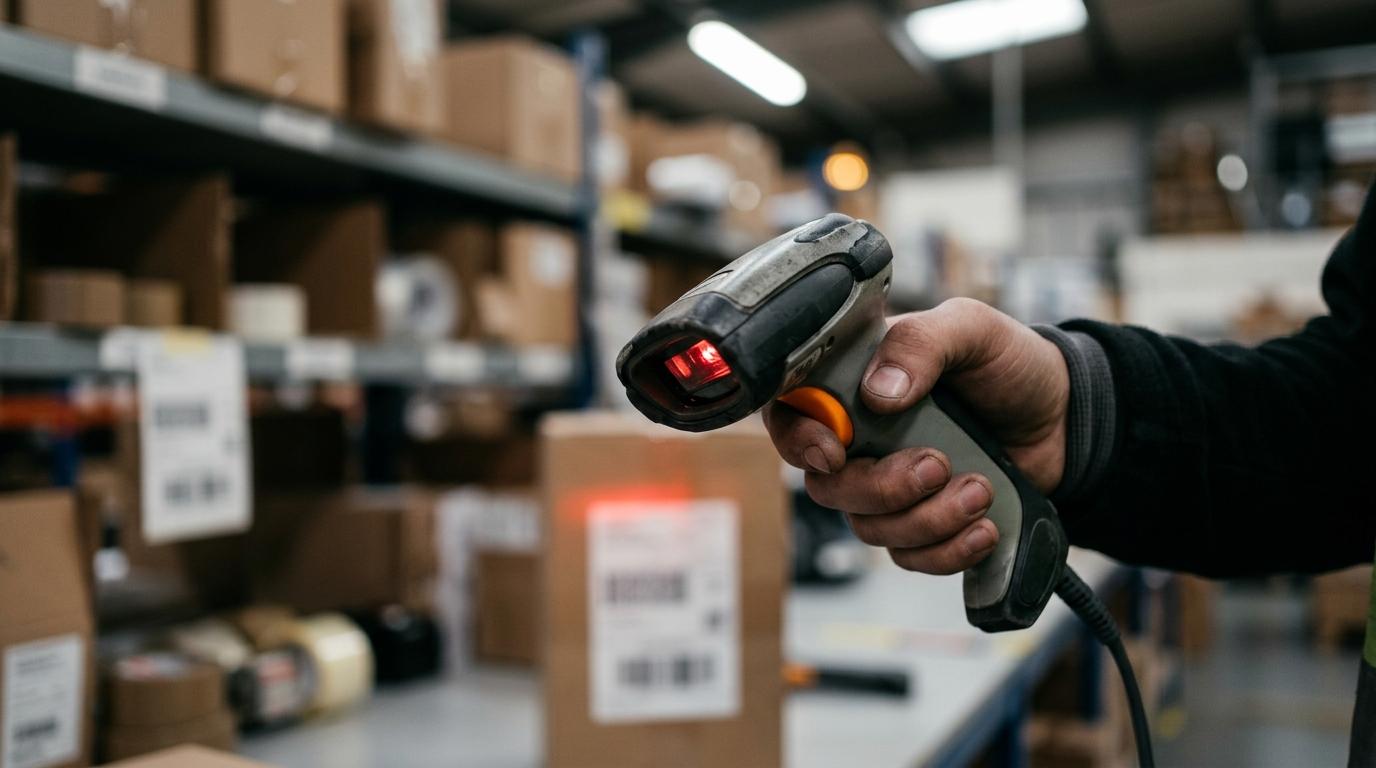
The strongest setups usually include barcode scanning, dashboard reporting, and exception management. That means the system helps stop mistakes before they leave the packing bench rather than explaining them after the customer complains.
When reviewing a provider, the practical features worth checking include:
- Order sync: automatic import from your sales channels
- Inventory visibility: live stock levels and low-stock alerts
- Pick accuracy: barcode checks during fulfilment
- Carrier options: access to Royal Mail, DPD, Evri, UPS and similar services
- Returns flow: clear processing back into stock or quarantine
- Reporting: dispatch performance, returns trends, and order volumes
A startup gains more than efficiency here. It gains confidence. When logistics are streamlined, stock data is current, and orders route automatically, growth feels less fragile.
How 3PLWOW supports startup fulfilment in the UK
For startups looking to outsource within the UK, 3PLWOW LTD is one of the providers worth serious consideration, especially with its comprehensive fulfilment centres. Based on its published service information, the business offers warehousing, pick and pack services, shipping, returns handling, and ecommerce integrations tailored to growing brands.
That matters because startups rarely need only storage; they need warehouse services that efficiently manage their products. They need a practical package: stock booked in properly, efficient order processing, customer-ready packing, and customer service that feels accessible rather than corporate and distant.
3PLWOW highlights flexible storage, live inventory visibility, and diverse shipping options alongside integrations with common ecommerce platforms. For a startup, those features are useful immediately. Orders can flow into the warehouse system without manual rekeying, stock levels stay visible, and the brand can step away from daily fulfilment tasks without losing oversight.
The service also appears suited to categories that need a little more care than general merchandise alone. Published information points to handling for products like supplements and other specialist goods, which is valuable for founders who need a provider familiar with product-specific storage and operational routines.
Shipping is another part of the appeal. A 3PL can often access better courier rates than a young brand negotiating alone. That can make a meaningful difference to margin, especially when the business wants to offer affordable delivery across the UK without swallowing too much cost on each parcel.
Returns deserve attention too, because they are often the forgotten side of fulfilment. A startup that outsources dispatch but keeps returns in-house can still end up with a slow, manual process. 3PLWOW promotes returns management as part of its service, which can help reduce admin pressure and keep restocking moving.
If you are comparing providers on price and service, the sensible step is to ask 3PLWOW LTD for a quote and measure it against your current cost per order, including your own time.
Choosing a UK fulfilment partner on cost, service and flexibility
Not every 3PL is right for a startup. Some are built around large accounts. Some have rigid minimums. Some look attractive on a rate card but add extra charges that only appear after trading begins.
The right comparison is rarely “cheapest quote wins”. It is “best operational fit at a price the business can support”.
When speaking to any provider, focus on a few commercial and operational questions:
- Fee clarity: ask for setup, receiving, storage, pick and pack, packaging, returns, and carrier charges in writing
- Minimums: check for monthly minimum billing or low-volume penalties
- Dispatch promise: confirm cut-off times and same-day handling rules
- Product fit: make sure the warehouse can handle your product type correctly
- Growth capacity: ask how they manage Black Friday, Christmas, or sudden media spikes
- Contract terms: check notice periods, lock-ins, and exit arrangements
- Support model: find out who you speak to when something needs fixing quickly
It is also wise to send a sample order profile when asking for pricing. A provider can only quote accurately if it understands your SKU count, average order size, packaging needs, monthly volume, and likely growth. A vague quote often leads to very specific surprises later.
Handling UK delivery peaks, remote postcodes and EU orders
The UK adds a few operational wrinkles that startups should think about early.
Remote postcodes can cost more and take longer. Seasonal peaks can stretch warehouse labour and carrier networks. Northern Ireland and Highlands deliveries may need closer planning than mainland urban routes. A good provider will explain this clearly rather than letting the issue appear on an invoice after dispatch.
There is also the cross-border question. Many UK e-commerce startups want to sell into Europe once home demand is established. That brings customs paperwork, VAT considerations, and delivery duty choices into the picture. A fulfilment partner with experience in UK to EU shipping can save a young business from expensive trial and error.
Published information from 3PLWOW shows awareness of these issues, including support around UK to EU fulfilment approaches. That can be useful for startups that want to keep early international growth manageable rather than building customs knowledge from scratch.
Requesting a fulfilment quote for your startup
A good quote request makes comparison easier and speeds up onboarding if you decide to move.
Before speaking to a provider, prepare a simple pack of operational facts. Include current monthly orders, expected peak volume, product dimensions and weights, SKU count, average units per order, packaging needs, sales channels, return rate, and preferred delivery services. With that in hand, the conversation becomes practical very quickly.
A startup does not need a huge logistics department to get e-commerce fulfilment right. It needs a model that fits today, room for tomorrow, and a provider that treats service, visibility, and pricing with equal seriousness. If outsourced fulfilment is now on the table, asking 3PLWOW LTD for a quote is a strong next step.